
Antiallergic
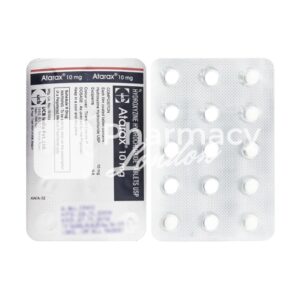
Atarax
from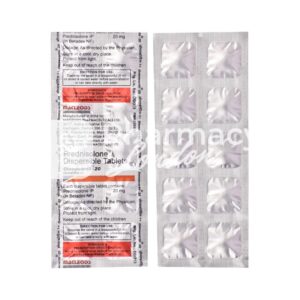
Deltacortril
from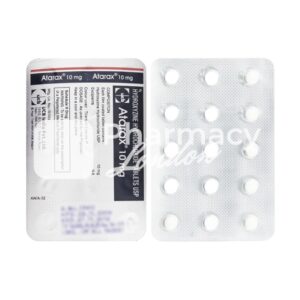
Hydroxyzine
from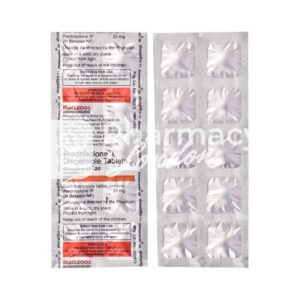
Prednisolone
fromUnderstanding Allergies and Antiallergic Medications
Allergies affect millions of people across the United Kingdom every year. When your immune system overreacts to a harmless substance, it releases chemicals that cause uncomfortable symptoms like sneezing, itching, and swelling. Antiallergic medications work by preventing these reactions or reducing their severity. These medicines are essential for anyone who suffers from hay fever, pet allergies, food reactions, or other allergic conditions. By understanding how antiallergic medications work, you can choose the right treatment for your specific needs.
Antihistamines are the most common type of antiallergic medication. They block histamine, a chemical your body releases during an allergic reaction. Histamine is responsible for many uncomfortable symptoms, including itching, swelling, and redness. Modern antiallergic drugs come in various forms, from tablets and capsules to nasal sprays and eye drops. The choice depends on your symptoms and their location—whether you need relief for your nose, eyes, skin, or entire body.
Oral Antiallergic Medications
Oral tablets and capsules are popular choices for treating allergies throughout the United Kingdom. These medications work systemically, meaning they travel through your bloodstream to provide relief all over your body. They’re particularly useful for people with multiple allergy symptoms or widespread reactions.
Common Oral Antihistamines
- Cetirizine – One of the most widely used antihistamines available in UK pharmacies. Brands like Piriteze offer cetirizine in various strengths. This medication is effective for hay fever, urticaria, and general allergic reactions. Most people take cetirizine once daily, making it convenient for busy lifestyles.
- Loratadine – Available under brand names like Clarityn, this popular oral antiallergic provides long-lasting relief and is particularly gentle, making it suitable for people with sensitive systems. Loratadine works well for seasonal allergies and can be taken once daily.
- Fexofenadine – Found in products like Telfast and highly effective for hay fever and chronic urticaria. Many patients prefer fexofenadine because it causes minimal drowsiness compared to older antihistamines.
- Promethazine – An older-generation antihistamine available in the UK. Whilst it may cause drowsiness, some people use it specifically for this reason, especially before bedtime. It’s effective for significant allergic reactions.
Non-drowsy formulations have become increasingly popular. These medications allow people to maintain alertness during work and daily activities whilst still receiving effective allergy relief. Your pharmacist can recommend the most suitable option based on your lifestyle and specific symptoms.
Nasal Sprays and Decongestants
Nasal allergy symptoms can be particularly bothersome, affecting sleep quality and daily comfort. Antiallergic nasal sprays provide targeted relief directly where you need it, often with minimal systemic effects.
Types of Nasal Treatments
Fluticasone nasal spray, available under brand names like Flixonase, is one of the most effective options. This corticosteroid spray reduces inflammation and congestion, making breathing easier. Many UK pharmacies stock Flixonase without prescription, making it accessible for frequent users.
Mometasone furoate, found in products like Asmanex, is another corticosteroid nasal spray that effectively reduces nasal inflammation and allergic symptoms. It’s particularly useful for people with persistent nasal congestion from allergies.
Xylometazoline is a decongestant nasal spray that provides rapid relief from nasal congestion. Brands like Otrivine are widely available in UK pharmacies. However, these should typically be used for short periods only, as prolonged use can lead to dependency.
Antihistamine nasal sprays like azelastine offer direct relief without corticosteroids. They work quickly for people experiencing acute nasal allergy symptoms and are particularly useful during high pollen seasons.
For best results, nasal sprays should be used as directed, usually once or twice daily. They work best when used regularly rather than occasionally, providing better prevention of symptoms throughout the day.
Eye Drops and Topical Treatments
Allergic reactions affecting the eyes can cause significant discomfort, redness, and itching. Specialist antiallergic eye drops provide targeted relief specifically designed for ocular symptoms.
Ocular and Skin Treatments
Antihistamine eye drops like olopatadine and ketotifen are available throughout UK pharmacies. Brands such as Zaditor and Otrivine Eye Drops provide rapid relief from itchy, watery eyes. These drops work within minutes, making them ideal for immediate symptom management during high pollen periods.
Cromoglicate eye drops are a preventative option that works well when used regularly before exposure to allergens. They help prevent allergic reactions rather than just treating symptoms after they occur, making them excellent for planned activities.
Lubricating eye drops with antiallergic properties help soothe irritated eyes whilst providing hydration. These are particularly useful for people wearing contact lenses who experience allergic reactions.
Topical creams and ointments treat skin reactions like eczema and dermatitis caused by allergies. Hydrocortisone cream and other mild corticosteroid preparations are available without prescription for minor skin allergies. Stronger formulations require prescription from your GP or pharmacist consultation. Regular use of appropriate eye drops can significantly improve comfort for allergy sufferers, particularly during hay fever season.
Specialised Antiallergic Options
Beyond standard antihistamines, the UK market offers several specialised antiallergic products for specific needs and severe reactions.
Montelukast, available under the brand name Singulair, works differently from traditional antihistamines. It’s particularly effective for allergic asthma and works by blocking leukotriene receptors. This medication is prescription-only but highly effective for people with severe allergic symptoms that don’t respond to standard antihistamines.
Epinephrine auto-injectors like EpiPen are essential for people with severe, potentially life-threatening allergies. These emergency medications provide immediate relief during anaphylactic reactions and should always be carried by people with known severe allergies.
Combination products are increasingly available, combining antihistamines with decongestants or other active ingredients. These provide comprehensive relief for multiple symptoms in a single dose, simplifying treatment routines.
Desensitisation treatments and immunotherapy options are available through NHS and private clinics. These treatments gradually reduce allergic sensitivity over time, offering long-term relief rather than just symptom management. Always consult your pharmacist or GP about which specialised option suits your specific allergy type and severity.
Choosing and Using Antiallergic Medications
Selecting the right antiallergic medication depends on your specific symptoms, their severity, and your lifestyle. Different people respond differently to various medications, so finding your ideal option may require some trial and careful consideration.
Treatment Approaches by Allergy Type
Seasonal allergies like hay fever often benefit from regular oral antihistamines or nasal sprays used throughout the pollen season. Starting medication before allergy season begins often provides better prevention than waiting for symptoms to develop.
Year-round allergies require consistent management with medications you can use safely long-term. Non-drowsy antihistamines are typically preferred for ongoing use, allowing normal functioning throughout the day and maintaining work productivity.
Combination approaches often work best. Many people use both oral antihistamines and nasal sprays for comprehensive relief, or combine eye drops with tablets for multiple symptom locations.
Storage and safety matter significantly. Most antiallergic medications should be stored at room temperature away from moisture. Always check expiry dates, particularly for emergency medications like EpiPens. Keep medications in their original packaging with clear labelling.
Side effects and contraindications vary between medications. Older antihistamines may cause drowsiness, whilst newer formulations typically don’t. Discuss any existing health conditions with your pharmacist before starting new medications to ensure compatibility with other treatments you may be taking.
Most antiallergic medications are available without prescription in UK pharmacies, though your pharmacist can offer valuable advice about selection. For severe allergies or symptoms not responding to over-the-counter options, consult your GP for prescription alternatives. Regular use of appropriate antiallergic medication can significantly improve quality of life for allergy sufferers throughout the year.