
Hypertension
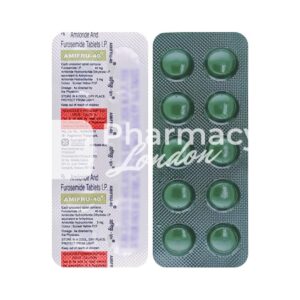
Amiloride
from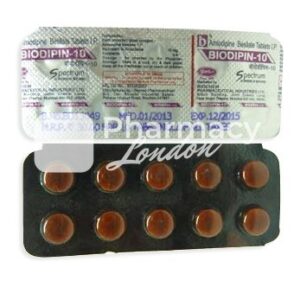
Amlodipine
from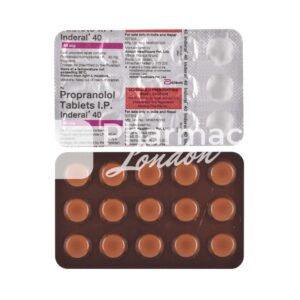
Bedranol
from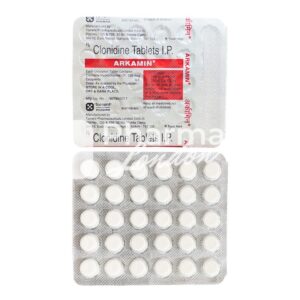
Clonidine
from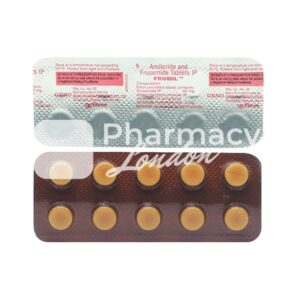
Co-amilofruse
from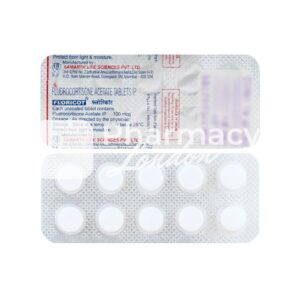
Florinef
from
Hytrin
from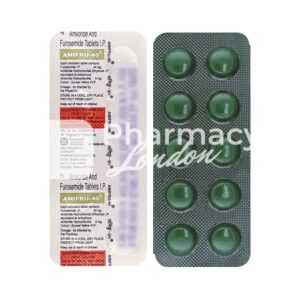
Lasix
from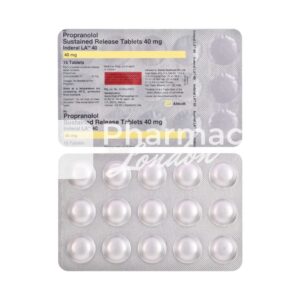
Propranolol
from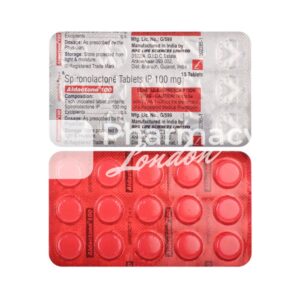
Spironolactone
fromUnderstanding High Blood Pressure
High blood pressure, medically known as hypertension, occurs when the force of blood pushing against artery walls is consistently too high. This condition affects millions of people across the United Kingdom and is often called a “silent killer” because many individuals don’t realise they have it until serious complications develop.
Blood pressure readings comprise two numbers: systolic pressure (the pressure when your heart beats) and diastolic pressure (the pressure when your heart rests between beats). Normal blood pressure is generally considered to be below 120/80 mmHg, whilst hypertension typically begins at 130/80 mmHg or higher.
Several factors contribute to the development of hypertension, including age, family history, obesity, excessive salt intake, stress, and lack of physical activity. Understanding these risk factors can help you take preventative measures to protect your cardiovascular health.
Types and Causes of Hypertension
There are two main types of hypertension that doctors diagnose in the UK: primary hypertension and secondary hypertension.
Primary Hypertension
Primary hypertension develops gradually over time without an identifiable cause. This accounts for approximately 90-95% of hypertension cases. Lifestyle factors play a significant role in its development, making prevention through healthy habits particularly important.
Secondary Hypertension
Secondary hypertension results from an underlying health condition such as kidney disease, thyroid problems, or sleep apnoea. Once the underlying condition is treated, blood pressure often returns to normal levels.
Contributing causes include excessive alcohol consumption, certain medications like corticosteroids, and hormonal changes. Pregnancy-related hypertension can also occur, requiring careful monitoring and management. The condition disproportionately affects older adults, those with a family history of high blood pressure, and individuals from certain ethnic backgrounds, particularly those of African descent living in the United Kingdom.
Available Medications in the United Kingdom
The NHS and private pharmacies in the UK stock various antihypertensive medications, each working through different mechanisms to lower blood pressure effectively.
- ACE Inhibitors such as lisinopril, enalapril, and ramipril are commonly prescribed first-line treatments. These medications relax blood vessel walls, allowing blood to flow more easily. They’re particularly beneficial for patients with diabetes or heart disease.
- Angiotensin II Receptor Blockers (ARBs) including losartan, valsartan, and irbesartan work similarly to ACE inhibitors and are often prescribed when ACE inhibitors cause side effects like a persistent dry cough.
- Beta-Blockers such as atenolol, bisoprolol, and metoprolol reduce heart rate and force of contraction, decreasing blood pressure. These are especially useful for patients with heart conditions or history of heart attack.
- Calcium Channel Blockers like amlodipine, diltiazem, and verapamil relax blood vessel muscles and are well-tolerated by many patients. Amlodipine is particularly popular in UK prescribing guidelines.
- Diuretics including bendroflumethiazide and chlorthalidone help the kidneys remove excess sodium and water, reducing blood volume. These are often used in combination with other medications.
- Combination Tablets are frequently prescribed to improve compliance. The UK market offers numerous fixed-dose combinations that simplify medication regimens for patients requiring multiple drugs.
Lifestyle Changes and Prevention
Managing hypertension effectively often requires adopting significant lifestyle modifications alongside medication when necessary.
Dietary Adjustments
Dietary adjustments form a cornerstone of hypertension management. The DASH diet (Dietary Approaches to Stop Hypertension) emphasises fruits, vegetables, whole grains, and lean proteins whilst limiting sodium intake. The NHS recommends reducing daily salt consumption to no more than 6 grammes.
Physical Activity and Weight Management
Regular physical activity helps strengthen the heart and improve circulation. Healthcare professionals recommend at least 150 minutes of moderate-intensity aerobic activity weekly, such as brisk walking, swimming, or cycling. Weight management is crucial, as excess weight increases the burden on your cardiovascular system. Losing even 5-10% of body weight can significantly reduce blood pressure readings.
Stress Reduction and Other Habits
Stress reduction techniques including meditation, yoga, and deep breathing exercises help manage hypertension. Chronic stress contributes to sustained elevation in blood pressure levels. Limiting alcohol and caffeine consumption can positively impact blood pressure control. The UK health guidelines recommend limiting alcohol to 14 units per week for both men and women. Smoking cessation is particularly important, as smoking constricts blood vessels and raises blood pressure immediately. The NHS offers free support services to help smokers quit.
Monitoring and Managing Your Blood Pressure
Regular blood pressure monitoring allows you to track your condition effectively and ensure your treatment plan is working.
Home Monitoring and GP Appointments
Home monitoring with an approved blood pressure monitor provides valuable data between GP appointments. The British Heart Foundation recommends recording readings at the same time daily, preferably morning and evening. GP appointments typically include annual blood pressure checks and discussions about medication effectiveness. Your healthcare provider may adjust medications based on your readings and how you’re tolerating treatment.
Blood Pressure Goals and Medication Compliance
Target blood pressure goals vary depending on individual circumstances, age, and other health conditions. Generally, the NHS aims for readings below 140/90 mmHg, though some patients may have different targets. Medication compliance is essential for effective hypertension management. Setting reminders, using pill organisers, or requesting once-daily formulations can help ensure you take medications consistently. Regular health checks including kidney function tests and cholesterol screening help detect complications early. These tests are usually available through your GP practice.
Complications and When to Seek Help
Untreated or poorly controlled hypertension can lead to serious health complications affecting multiple organ systems.
Potential Complications
Cardiovascular complications include heart attack, heart failure, and stroke. Hypertension damages artery walls over time, promoting atherosclerosis and blood clot formation. Kidney damage occurs when high blood pressure affects small blood vessels in the kidneys, potentially leading to chronic kidney disease or kidney failure. Vision problems can develop as hypertension damages blood vessels in the eyes, a condition called hypertensive retinopathy.
Seeking Emergency and Routine Care
Emergency situations requiring immediate medical attention include severe headaches accompanied by chest pain, shortness of breath, or blood pressure readings exceeding 180/120 mmHg. You should contact your GP if new symptoms appear after starting medication, persistent dizziness or fatigue develops, or significant changes occur in your blood pressure readings at home. The NHS 111 service provides telephone guidance for non-emergency concerns, whilst emergency services should be contacted immediately if you suspect a stroke or heart attack.