
Asthma
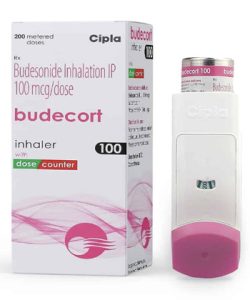

Understanding Asthma: What You Need to Know
Asthma is a chronic respiratory condition that affects the airways in your lungs, making breathing difficult. The condition causes inflammation and narrowing of the airways, leading to symptoms such as wheezing, shortness of breath, chest tightness, and coughing, particularly at night or during physical activity. It affects millions of people across the United Kingdom and can develop at any age, though it often begins in childhood.
The exact cause of asthma isn’t fully understood, but it typically results from a combination of genetic and environmental factors. Common triggers include allergens like pollen and dust mites, respiratory infections, exercise, cold air, and stress. Some people experience symptoms only occasionally, whilst others deal with persistent symptoms that require daily management.
Asthma can range from mild to severe, and untreated cases can be life-threatening. However, with proper medication and management strategies, most people with asthma can lead normal, active lives. Early diagnosis and appropriate treatment are essential for controlling symptoms and preventing complications.
Types of Asthma Medication Available in the UK
The UK pharmaceutical market offers a comprehensive range of asthma medications designed to manage symptoms and prevent attacks. These medications fall into two main categories: relievers and preventers.
Reliever Inhalers
Reliever inhalers are used to provide quick relief during asthma attacks. The most common reliever in the UK market is salbutamol (albuterol), available under brand names such as Ventolin, Asmol, and Salamol. These blue inhalers work quickly to open airways and are essential for anyone with asthma to keep close at hand.
Preventer Inhalers and Other Medications
Preventer inhalers are taken daily to reduce inflammation and prevent symptoms from occurring. These typically contain corticosteroids such as fluticasone propionate (Flovent) or beclomethasone (Qvar). Many patients use combination inhalers like Seretide, which contains both a long-acting beta-agonist and a corticosteroid, providing both prevention and some relief in one device.
Other medications include Leukotriene receptor antagonists such as montelukast (Singulair), which help reduce inflammation, and long-acting beta-agonists like salmeterol and formoterol. For severe asthma, biologic medications such as omalizumab and mepolizumab are available through NHS prescriptions when appropriate.
Inhaler Techniques and Proper Usage
Using your inhaler correctly is crucial for effective asthma management. Many people don’t use their inhalers properly, which means the medication doesn’t reach their lungs effectively.
Metered-Dose Inhalers
For metered-dose inhalers (MDIs), the correct technique involves shaking the inhaler well, breathing out gently, placing the mouthpiece in your mouth, and pressing down whilst breathing in slowly and deeply. Hold your breath for ten seconds before breathing out slowly. Wait at least one minute between puffs if you need more than one dose.
Dry Powder Inhalers
Dry powder inhalers (DPIs) like Ellipta or Turbuhaler require a different approach. You must load the dose, breathe out completely, then place the mouthpiece between your teeth and breathe in quickly and deeply in one strong action. Hold your breath for approximately five to ten seconds.
Spacer Devices
Many patients benefit from using a spacer device, which attaches to your inhaler and makes it easier to inhale the medication effectively. Spacers are particularly helpful for children and elderly individuals. NHS pharmacists and respiratory nurses can demonstrate proper technique and observe your method to ensure you’re using your inhaler correctly.
Recognising and Managing Asthma Attacks
An asthma attack occurs when airways suddenly narrow, making breathing extremely difficult. Recognising the signs early and responding quickly can prevent the situation from becoming dangerous.
Warning Signs
Warning signs include sudden difficulty breathing, wheezing that worsens, a tight feeling in the chest, coughing that won’t stop, and difficulty speaking in full sentences. Some people experience panic, which can make symptoms worse.
What to Do During an Attack
During an asthma attack, sit upright and use your reliever inhaler immediately, taking one or two puffs. If you have a spacer, use it. Sit down and try to stay calm, breathing slowly and deeply. If symptoms don’t improve within five to fifteen minutes, or if you experience severe difficulty breathing, confusion, or drowsiness, seek emergency help immediately by calling 999.
Prevention Strategies
Prevention is always preferable to treatment. Keep your preventer inhaler with you at all times, even if you feel well. Identify your personal triggers and try to avoid them. Keep your home clean to reduce dust and allergens. Maintain good physical fitness through regular exercise, which actually helps manage asthma symptoms. If you suffer from exercise-induced asthma, using your reliever inhaler before activity can prevent symptoms.
Asthma Action Plans and Regular Reviews
Your GP or asthma nurse should help you develop a personalised Asthma Action Plan, a written document that explains how to manage your condition daily and what to do if symptoms worsen.
Your Action Plan
Your action plan typically includes information about which medications to take daily, how to use your inhalers correctly, your personal triggers, and warning signs that symptoms are getting worse. It usually follows a traffic light system: green means your asthma is controlled, amber means symptoms are worsening, and red means you need emergency help.
Regular Reviews with Healthcare Providers
Regular reviews with your GP or nurse are essential, ideally at least once yearly, or more frequently if your symptoms aren’t well-controlled. During reviews, your healthcare provider will check your inhaler technique, ask about your symptoms and how often you use your reliever, discuss any side effects, and adjust your treatment if necessary.
Keep a record of your symptoms, triggers, and medication use between appointments. This information helps your healthcare team understand your asthma patterns and make appropriate adjustments. If you’re using your reliever inhaler more than twice weekly (excluding before exercise), contact your GP, as this suggests your asthma needs better control.
Lifestyle and Environmental Management for Asthma Control
Alongside medication, lifestyle changes and environmental management play significant roles in controlling asthma effectively.
Exercise, Diet, and Wellness
Exercise and fitness are beneficial for most people with asthma. Regular physical activity strengthens your lungs and improves overall health. Start gradually and always use your reliever inhaler beforehand if you have exercise-induced asthma. Swimming is particularly recommended as the warm, moist air is generally easier on airways.
Weight management and maintaining a healthy diet can improve asthma control. Excess weight puts strain on the respiratory system. Include plenty of fruits, vegetables, and foods rich in antioxidants and omega-3 fatty acids, which have anti-inflammatory properties.
Environmental Control Measures
Allergen reduction involves minimising exposure to known triggers. Key measures include:
- Using allergen-proof pillowcases and mattress covers
- Vacuuming regularly with HEPA filters
- Keeping pets out of bedrooms if allergic
- Maintaining good ventilation in your home
- Keeping windows closed during high pollen seasons
- Considering air purifiers for additional protection
Stress Management and Infection Prevention
Stress management is important, as stress can trigger or worsen asthma symptoms. Try relaxation techniques such as deep breathing exercises, yoga, or meditation. Getting adequate sleep and maintaining regular routines also helps manage stress and improves overall health.
Avoiding respiratory infections through good hygiene practices, including regular hand washing and annual flu vaccinations, helps prevent asthma complications. Stay up-to-date with all recommended immunisations, as infections can trigger severe asthma attacks.