
Cholesterol
Understanding Cholesterol and Its Health Impact
Cholesterol is a waxy substance found in your blood that your body needs to build healthy cells and produce hormones. However, high cholesterol levels can increase your risk of heart disease and stroke. Your body produces some cholesterol naturally, whilst the rest comes from the foods you eat, particularly saturated fats and trans fats.
There are two main types of cholesterol: LDL (low-density lipoprotein), often called “bad” cholesterol, and HDL (high-density lipoprotein), known as “good” cholesterol. LDL cholesterol can build up in your arteries, forming plaques that narrow blood vessels and restrict blood flow. HDL cholesterol helps remove LDL from your arteries, transporting it to your liver for disposal.
Understanding your cholesterol levels is crucial for maintaining cardiovascular health. Your GP can arrange a simple blood test to measure your cholesterol levels. Regular monitoring helps identify if you need lifestyle changes or medication to manage your cholesterol effectively. Most people should aim for total cholesterol below 5 mmol/L, though individual targets vary based on your personal risk factors and medical history.
Statins: The Most Commonly Prescribed Cholesterol Medication
Statins are the most widely used medications for lowering cholesterol in the United Kingdom. They work by blocking an enzyme your liver needs to produce cholesterol, effectively reducing the amount of cholesterol in your bloodstream. Statins not only lower LDL cholesterol but also provide additional cardiovascular benefits by reducing inflammation in blood vessels.
Several statins are available on the UK market:
- Atorvastatin – one of the most prescribed options, typically taken in doses ranging from 10mg to 80mg daily
- Simvastatin – a popular choice, available in strengths from 10mg to 80mg
- Pravastatin – commonly prescribed as an alternative
- Rosuvastatin – another frequently used option
- Fluvastatin – available for those who need a different choice
Most statins are taken once daily, usually in the evening, as cholesterol production peaks during the night. They’re generally well-tolerated, though some people experience muscle aches or weakness. Your GP will monitor your liver function and cholesterol levels regularly whilst you’re taking statins to ensure the medication is working effectively and not causing adverse effects.
Additional Cholesterol-Lowering Medications Beyond Statins
For patients who cannot tolerate statins or need additional cholesterol reduction, several other medications are available in the UK. Ezetimibe works by blocking cholesterol absorption in your intestines and is often used alongside statins for more effective cholesterol control. It’s available as a standalone treatment in 10mg tablets.
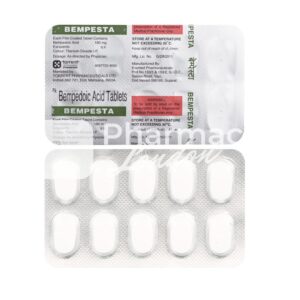
Bempedoic acid is a newer medication approved for use in the UK that reduces uric acid levels whilst also lowering cholesterol. It’s particularly useful for patients with gout or high uric acid levels. PCSK9 inhibitors such as evolocumab and alirocumab are newer biologic drugs administered by injection for patients with familial hypercholesterolaemia or those at very high cardiovascular risk.
Inclisiran is a groundbreaking medication that works at the genetic level to lower LDL cholesterol significantly. It requires only two injections initially, then one injection twice yearly, making it convenient for patients struggling with daily medications. These newer options represent important advances for patients with severe hypercholesterolaemia or those intolerant to traditional treatments.
Lifestyle Changes and Natural Approaches to Cholesterol Management
Before or alongside medication, lifestyle modifications can significantly impact your cholesterol levels. Dietary changes are fundamental to cholesterol management. Reducing saturated fat intake, increasing fibre consumption through whole grains, fruits, and vegetables, and incorporating more plant-based foods can lower LDL cholesterol naturally.
Regular physical activity helps raise HDL cholesterol whilst lowering triglycerides and LDL cholesterol. Aim for at least 150 minutes of moderate-intensity aerobic exercise weekly, such as brisk walking, cycling, or swimming. Maintaining a healthy weight is equally important, as excess weight contributes to higher cholesterol levels. Even losing 5-10% of your body weight can improve cholesterol profiles.
Stress management and adequate sleep also play roles in cholesterol health. Chronic stress can elevate cholesterol levels, whilst poor sleep disrupts the hormones that regulate cholesterol. Limiting alcohol consumption is essential, as excessive alcohol raises triglycerides and cholesterol. Stopping smoking is particularly important, as smoking lowers HDL cholesterol and damages blood vessel walls, increasing your cardiovascular disease risk.
Special Populations and Cholesterol Management Considerations
Cholesterol management varies for different populations based on age, health status, and existing conditions. Younger individuals with high cholesterol due to family history may benefit from early intervention to prevent future complications. Those with type 2 diabetes typically require more aggressive cholesterol management due to increased cardiovascular risk.
Patients with familial hypercholesterolaemia, a genetic condition causing extremely high cholesterol levels, often require more intensive treatment combining multiple medications. Women’s cholesterol management may differ, particularly during menopause when oestrogen decline can increase LDL cholesterol. Pregnant women usually discontinue cholesterol medications as they can harm foetal development.
Older adults often benefit from cholesterol management to prevent stroke and heart attack. However, treatment decisions must consider individual health status and life expectancy. Those with chronic kidney disease may need adjusted cholesterol targets and medication choices. People with liver disease require careful monitoring when taking statins, as these medications are processed through the liver.
Monitoring Your Cholesterol and Working With Your Healthcare Provider
Regular monitoring ensures your cholesterol treatment remains effective and safe. Your GP will typically recheck cholesterol levels 4-12 weeks after starting medication or changing doses. Continued monitoring usually occurs annually for those achieving target cholesterol levels. Blood tests measure total cholesterol, LDL cholesterol, HDL cholesterol, and triglycerides.
Keep records of your cholesterol readings to track progress over time. Discuss with your GP what your personal cholesterol targets should be, as these depend on your cardiovascular risk factors, age, and existing conditions. Be honest about any side effects or difficulties taking medications, as alternatives are often available.
Your GP may refer you to a specialist such as a cardiologist or lipidologist if you have familial hypercholesterolaemia, extremely high cholesterol despite treatment, or complex cardiovascular conditions. NHS resources and patient support organisations provide valuable information about cholesterol management. Remember that treating cholesterol is a long-term commitment, but managing it effectively significantly reduces your risk of heart disease and stroke, helping you maintain better health throughout your life.