
Hair Loss

Understanding Hair Loss: Causes and Types
Hair loss affects millions of people across the United Kingdom, impacting both men and women of various ages. Understanding the underlying causes is essential for finding the right treatment. The most common type is androgenetic alopecia, commonly known as male or female pattern baldness, which accounts for the majority of hair loss cases. This condition is primarily driven by genetics and the sensitivity of hair follicles to the hormone DHT (dihydrotestosterone).
Other significant causes include telogen effluvium, a temporary hair shedding triggered by stress, illness, or significant life changes. Alopecia areata is an autoimmune condition where the body’s immune system attacks hair follicles, resulting in patchy hair loss. Medical conditions such as thyroid disorders, anaemia, and nutritional deficiencies can also contribute to hair loss. Additionally, certain medications, including some blood pressure tablets and chemotherapy drugs, may cause temporary or permanent hair loss as a side effect.
Lifestyle factors play a crucial role too. Poor nutrition, excessive stress, inadequate sleep, and harsh hair care practices can weaken hair and accelerate shedding. Understanding whether your hair loss is temporary or permanent helps determine the most appropriate course of action and treatment strategy.
Medical Treatments Available in the UK
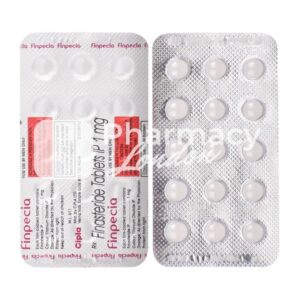
The United Kingdom market offers several clinically proven treatments for hair loss, with two main prescription medications standing out as the most effective options. Finasteride, commonly known by the brand name Propecia, is an oral medication that works by blocking the enzyme responsible for converting testosterone to DHT. This treatment is particularly effective for male pattern baldness and is available through the NHS and private prescriptions.
Minoxidil, marketed as Rogaine in the UK, is a topical solution applied directly to the scalp. Unlike finasteride, minoxidil is available over the counter without requiring a prescription, making it accessible to many individuals. It works by extending the growth phase of hair and increasing blood flow to the follicles. Many people in the UK find this convenient for self-management of hair loss.
For those seeking stronger topical options, solutions combining minoxidil with other active ingredients are available. These may include azelaic acid or tretinoin, which can enhance the effectiveness of minoxidil. Some private clinics in the UK also offer newer treatments such as low-level laser therapy and platelet-rich plasma (PRP) injections, though these tend to be more expensive and are not typically available through the NHS.
Over-the-Counter Solutions and Supplements
Beyond prescription medications, the UK market provides numerous over-the-counter products designed to combat hair loss and promote scalp health. Shampoos and conditioners formulated with ingredients like biotin, saw palmetto, and keratin are widely available and can help strengthen existing hair whilst creating a healthier environment for new growth.
Nutritional supplements have gained popularity for addressing hair loss from within. The following are commonly recommended options:
- Biotin supplements, as biotin plays a vital role in hair structure and strength
- Zinc supplements, as zinc deficiency has been linked to various types of hair loss
- Iron supplements for those with iron-deficiency anaemia, a known cause of telogen effluvium
- Hair growth vitamins formulated with B vitamins, vitamin D, and minerals like copper and selenium
- Saw palmetto extract, traditionally used to support hair health
Hair growth vitamins specifically formulated with combinations of essential nutrients are readily available throughout UK pharmacies and health stores. These supplements aim to provide the nutritional support hair follicles need to function optimally. Scalp treatments and oils containing natural ingredients such as argan oil, coconut oil, and rosemary extract can improve scalp condition and reduce inflammation. These products are often formulated to be applied directly to the scalp several times weekly and may help create an optimal environment for hair growth.
Hair Care Practices and Lifestyle Changes
Implementing proper hair care practices is fundamental to preventing further hair loss and supporting recovery. Gentle handling of hair is crucial, as aggressive brushing, tight hairstyles, and excessive heat styling can damage follicles and cause traction alopecia. Using a wide-tooth comb and avoiding tight ponytails or braids helps minimise mechanical stress on hair.
Choosing the right shampoo and conditioner is important for maintaining scalp and hair health. Sulphate-free products are gentler on hair and scalp, reducing irritation and dryness. Regular scalp massages can stimulate blood circulation to hair follicles, potentially supporting hair growth. Spending just five to ten minutes daily massaging the scalp may yield noticeable improvements over time.
Dietary changes significantly impact hair health. A balanced diet rich in protein, omega-3 fatty acids, and essential vitamins supports strong hair growth. Foods such as salmon, eggs, spinach, nuts, and legumes provide nutrients that hair follicles require. Reducing sugar intake and avoiding crash diets can help prevent telogen effluvium triggered by nutritional deficiency.
Stress management deserves particular attention, as stress-induced hair loss is increasingly common. Regular exercise, meditation, yoga, and adequate sleep all contribute to reducing stress levels and supporting overall health. Aiming for seven to nine hours of quality sleep nightly helps the body repair and regenerate, including hair follicles. Limiting alcohol consumption and avoiding smoking also benefit hair health, as both habits can impair circulation and nutrient delivery to hair follicles.
When to Seek Professional Advice
Recognising when professional help is needed ensures timely intervention and appropriate treatment. If you notice sudden or significant hair loss, experiencing more than 100 hairs daily or noticing bald patches, consulting a GP or dermatologist is advisable. A healthcare professional can determine the underlying cause and recommend suitable treatments.
Individuals considering prescription medications such as finasteride should speak with their GP to ensure the treatment is appropriate for their situation and to discuss potential side effects. Women of childbearing age must avoid finasteride, as it can cause serious harm to a developing foetus. Similarly, those taking multiple medications should consult their GP to check for potential interactions with hair loss treatments.
If over-the-counter treatments have not produced noticeable results after three to six months, seeking professional evaluation is reasonable. Dermatologists can provide more advanced diagnostic techniques, including scalp biopsies if necessary, to identify specific causes of hair loss. Private dermatologists and hair loss specialists throughout the UK offer consultations for those seeking specialised expertise.
Prevention and Long-Term Management
Preventing hair loss or slowing its progression requires a comprehensive long-term approach combining medical and lifestyle strategies. Starting preventative treatments early, particularly for those with a family history of hair loss, can be significantly more effective than beginning treatment after substantial hair has already been lost.
Consistency is essential when using any hair loss treatment. Most medications require three to six months of regular use before noticeable results emerge. Discontinuing treatment often results in hair loss resuming, so maintaining long-term commitment is important for sustained benefits. Many people in the UK successfully manage hair loss by combining finasteride or minoxidil with lifestyle modifications and appropriate supplementation.
Regular monitoring of hair loss patterns and treatment effectiveness helps identify whether adjustments are needed. Taking photographs monthly allows for objective assessment of progress that may not be immediately apparent during daily observation. Adjusting treatments based on individual response ensures optimal results.
Protecting remaining hair whilst treatments work is paramount. This includes minimising heat styling, avoiding harsh chemical treatments, and maintaining a healthy scalp environment. As treatments begin working and new hair growth is stimulated, consistent care practices help ensure the best possible outcomes for long-term hair health and appearance.