
Stop Smoking

Understanding Nicotine Addiction
Nicotine is one of the most addictive substances known to modern medicine. When you smoke, nicotine reaches your brain within seconds, triggering the release of dopamine, which creates feelings of pleasure and reward. Over time, your body becomes dependent on this chemical, making it increasingly difficult to quit without support.
The addiction develops both physically and psychologically. Your body adapts to regular nicotine intake, and when you try to stop, withdrawal symptoms can be intense. These may include irritability, anxiety, difficulty concentrating, increased appetite, and powerful cravings. Understanding this dependency is the first step towards successful cessation.
Many smokers have attempted to quit multiple times before succeeding. This is completely normal. Each attempt provides valuable insight into your personal triggers and challenges. With the right support and treatment options available in the UK, you can overcome this addiction.
Nicotine Replacement Therapy (NRT)
Nicotine Replacement Therapy is a proven method to help reduce cravings and withdrawal symptoms whilst you work towards becoming smoke-free. Rather than delivering nicotine through cigarettes, NRT provides controlled doses through alternative methods, allowing you to gradually reduce your dependency.
Available NRT Products in the UK
Nicotine patches are perhaps the most popular choice. These are worn on your skin and release steady doses of nicotine throughout the day. They come in various strengths and are ideal for people who want consistent, long-lasting relief without frequent dosing.
Nicotine gum provides more flexibility and control. Available in different strengths, it allows you to manage cravings as they occur. The gum must be chewed slowly and parked between your cheek and gum to maximise absorption.
Nicotine lozenges dissolve slowly in your mouth and offer convenience for people who prefer not to chew. They’re particularly useful when smoking is prohibited, such as at work or indoors.
Nicotine nasal spray and inhalator are available through prescription and provide faster nicotine delivery for those with intense cravings. Combination therapy, using patches alongside faster-acting products like gum or lozenges, has shown excellent results for many smokers.
- Nicotine patches – steady, all-day relief
- Nicotine gum – flexible, on-demand support
- Nicotine lozenges – discreet and convenient
- Nicotine nasal spray and inhalator – prescription-only, fast-acting options
- Combination therapy – patches plus faster-acting products
Prescription Medications for Smoking Cessation
Beyond nicotine replacement, the NHS and private healthcare in the UK offer prescription medications specifically designed to help you quit smoking.
Varenicline (Champix)
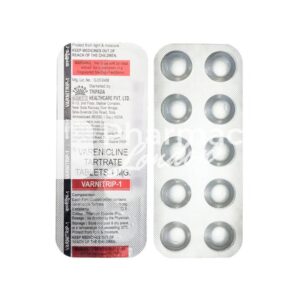
Varenicline is one of the most effective prescription medications available. It works by blocking nicotine’s rewarding effects and reducing cravings. Varenicline partially stimulates nicotine receptors, easing withdrawal symptoms whilst preventing the pleasure associated with smoking. The typical course lasts 12 weeks, though your GP may recommend extended treatment.
Bupropion (Zyban)
Bupropion is an antidepressant medication that reduces cravings and withdrawal symptoms. It works differently from varenicline and may be recommended if other treatments haven’t worked for you. Treatment typically lasts seven to nine weeks.
Both medications are available on prescription through your GP or specialist stop-smoking services. They’ve both demonstrated significantly higher quit rates compared to going cold turkey, roughly doubling your chances of success. Your healthcare provider will assess your medical history to determine which medication is most suitable. Some people respond better to one than the other, and personal circumstances matter greatly in this decision.
Behavioural Support and Counselling
Medication and nicotine replacement work best when combined with behavioural support. Addressing the psychological aspects of smoking addiction is crucial for long-term success.
The NHS offers free stop-smoking services throughout the UK. These services provide one-to-one counselling, group support sessions, and personalised quit plans. Your local stop-smoking service can be accessed through your GP or by searching the NHS website for your area.
Cognitive Behavioural Therapy (CBT) helps you identify smoking triggers and develop coping strategies. By understanding the situations, emotions, and people associated with your smoking habit, you can plan healthier responses.
Many smokers find group support invaluable. Sharing experiences with others facing similar challenges creates accountability and motivation. Hearing success stories from people who’ve quit provides hope and practical advice.
One-to-one appointments with advisors help you set a quit date, identify your personal triggers, and develop a detailed quit plan. These advisors are trained specialists who understand addiction and can provide practical tips for managing cravings. Support apps and text-based programmes complement face-to-face support, offering reminders, motivational messages, and tracking tools to celebrate your progress.
Complementary Approaches and Lifestyle Changes
Whilst medication and counselling form the foundation of quit-smoking programmes, complementary approaches can enhance your chances of success.
Exercise is particularly beneficial. Physical activity reduces cravings, improves mood through endorphin release, and gives you a healthy replacement habit. Even short walks, ten minutes of yoga, or swimming can significantly help during moments of temptation.
Dietary changes matter too. Some foods can trigger the urge to smoke, whilst others satisfy oral fixation without the harmful effects. Keeping sugar-free gum, mints, or crunchy vegetables handy provides something to do with your mouth and hands.
Stress management techniques like meditation, deep breathing exercises, and mindfulness help manage anxiety and irritability during withdrawal. These practices also address emotional triggers that might otherwise lead you back to smoking.
Social support from friends and family is invaluable. Tell people you’re quitting and ask for their support. Avoiding situations where others smoke, especially during your first weeks, reduces temptation. Managing weight concerns is important, as some people worry about weight gain after quitting. Combining exercise with balanced eating helps prevent significant weight increase whilst you’re adjusting to life without cigarettes.
Planning Your Quit Journey and Staying Smoke-Free
Successfully quitting smoking requires a structured approach and realistic expectations. With proper planning, you dramatically increase your chances of becoming permanently smoke-free.
Setting Your Quit Date
Choose a date within the next two weeks. This gives you time to prepare whilst maintaining motivation. Tell everyone about your quit date to create accountability.
Identifying Your Triggers
Common triggers include stress, alcohol, coffee, certain friends, or specific situations. Plan how you’ll handle each one differently now that you’re not smoking.
Choosing Your Support
Decide which combination of treatments suits you best. Many people succeed by combining NRT or prescription medication with counselling and lifestyle changes. Contact your GP or local stop-smoking service to discuss options.
Managing Withdrawal and Celebrating Progress
Symptoms peak around three to four days after quitting and gradually improve over several weeks. Remember that discomfort is temporary and means your body is healing. Mark your progress at one week, one month, and three months smoke-free. Each milestone is significant and deserves recognition.
Preventing Relapse
A single cigarette can restart your addiction. If you slip, don’t view it as failure. Most successful quitters have tried several times before achieving long-term success. Review what triggered the slip and strengthen your strategy.
The NHS provides free support throughout your journey, from quit planning through to remaining smoke-free for years afterwards. Combine professional support with personal commitment, and you can join the millions of people in the UK who’ve successfully quit smoking and reclaimed their health.