
Azathioprine
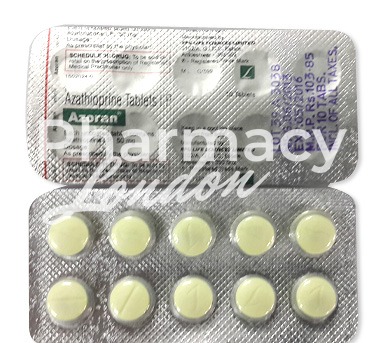
In stock
50mg · 25mg
from 22,99 £
In brief
- Azathioprine is an immunosuppressant used after organ transplants and for inflammatory bowel disease, rheumatoid arthritis, lupus and other autoimmune conditions.
- Imported generic tablets: 25 mg in packs of 30 to 120, and 50 mg in packs of 30 to 270.
- A prescription-only medicine in the UK that calls for regular blood counts throughout treatment.
Azathioprine and the conditions it treats
Azathioprine is an immunosuppressant antimetabolite: it damps down an overactive immune response and is often used alongside corticosteroids, allowing their dose to be lowered. The UK SmPC lists it to help prevent rejection of transplanted organs such as the kidney, liver or heart, and to treat moderate to severe Crohn's disease or ulcerative colitis when steroids are needed, not tolerated or not working. It has also been used with benefit in severe active rheumatoid arthritis, systemic lupus erythematosus, dermatomyositis and polymyositis, autoimmune chronic active hepatitis, pemphigus vulgaris, polyarteritis nodosa, autoimmune haemolytic anaemia and chronic refractory idiopathic thrombocytopenic purpura.
Strengths and packs on this page
The azathioprine tablets offered here are an imported generic in two strengths. Boxes of 30, 60, 90 and 120 are listed for the 25 mg strength; the 50 mg strength adds larger boxes of 240 and 270 to those same four sizes. Both strengths are also licensed in the UK. The 25 mg tablet makes it easier to fine-tune a weight-based dose, while 50 mg means fewer tablets at higher doses.
How the dose is calculated
The amount prescribed depends on body weight. After a transplant, up to 5 mg per kilogram may be given on the first day, followed by maintenance of 1 to 4 mg/kg a day. In autoimmune and inflammatory conditions treatment typically begins somewhere between 1 and 3 mg/kg daily; once the illness responds, the dose is trimmed back as far as possible without letting symptoms return. If nothing has improved after three months, stopping is considered. The benefit can take weeks or months to appear; in inflammatory bowel disease the SmPC suggests allowing at least twelve months of treatment, as a response may not show for three to four months. People with low or absent TPMT activity, or with certain NUDT15 gene variants, are at risk of severe toxicity and generally need much lower doses. The specialist team decides the dose for each patient.
UK licence and legal category
In the UK azathioprine is a prescription-only medicine (POM), available as 25 mg and 50 mg film-coated tablets from several manufacturers, with an oral suspension also licensed. The tablets on this page are imported and are not a UK-licensed product.
Blood tests and other precautions
Because the drug can suppress the bone marrow, the SmPC suggests a full blood count, including platelets, every week for the first eight weeks, then monthly or at least every three months. The dose is reduced or treatment stopped at the first sign of an abnormal fall. Any unexplained bruising, bleeding, sore throat or fever should be reported promptly. Long-term immunosuppression raises the risk of some cancers, especially of the skin, so sun exposure should be limited and a high-factor sunscreen used. Live vaccines should be avoided during treatment and for at least three months after it ends. It should not be given during pregnancy, or to anyone likely to become pregnant soon, without a careful assessment of risks and benefits, so pregnancy plans belong in the conversation with the specialist.
Medicines that interact with azathioprine
Allopurinol slows the breakdown of this medicine, so only a quarter of the usual dose is given when the two are combined; febuxostat may have a similar effect. Ribavirin is not advised alongside azathioprine because severe bone marrow suppression has been reported. Anyone taking other immunosuppressants or medicines that can lower the blood count should make sure every prescriber knows about all of them.



