
Diclofenac
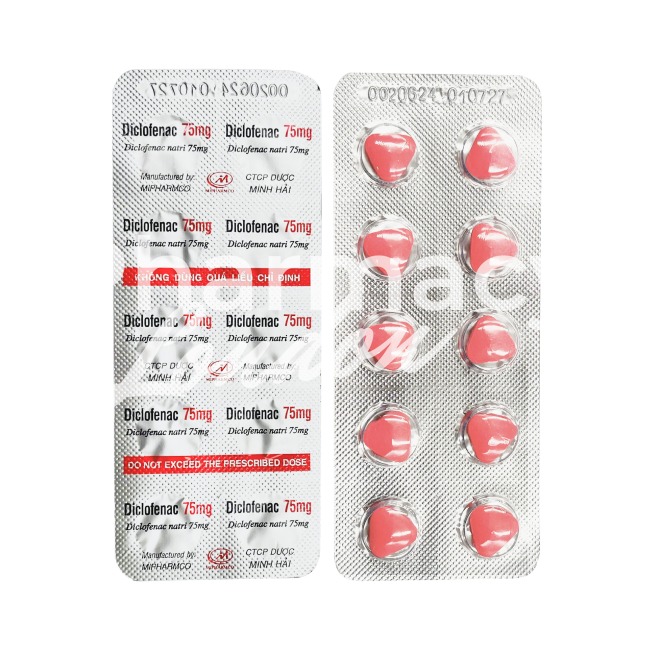
In brief
- In the UK, low-strength topical diclofenac gels are available from pharmacies without a prescription, whilst oral, injectable and eye-drop preparations are prescription-only.
- Diclofenac is a non-steroidal anti-inflammatory drug (NSAID) used to relieve pain and reduce inflammation in conditions such as osteoarthritis, rheumatic pain, acute musculoskeletal pain, and some eye or topical inflammatory conditions. It works by blocking cyclo-oxygenase (COX) enzymes, which reduces prostaglandin production.
- The usual adult dose depends on the form and condition: oral tablets are commonly 75–150 mg daily in 2–3 divided doses, with a maximum of 150 mg per day; topical gel is typically applied in 2–4 g amounts 3–4 times daily; rectal suppositories and injections are used at doses according to the indication and medical advice.
- Diclofenac is available as tablets, gastro-resistant or extended-release tablets, gel or cream, suppositories, injections, eye drops, sprays, and patches.
- Diclofenac usually starts working within about 25–60 minutes when taken orally, while topical forms may begin to relieve pain within a few hours.
- The duration of action is generally around 4–8 hours for standard oral forms, longer for extended-release preparations, and up to 24 hours for some topical or patch formulations.
- Alcohol should be avoided or kept to a minimum, as it can increase the risk of stomach irritation, ulceration, and bleeding when taking diclofenac.
- The most common side effects are nausea, indigestion, abdominal pain, headache, dizziness, and, with topical use, local skin rash or irritation.
- Would you like to try diclofenac without a prescription?
Basic diclofenac information
- INN (international nonproprietary name): Diclofenac
- Brand names available in the United Kingdom: Voltarol
- ATC code: M01AB05; M02AA15; S01BC03
- Forms & dosages: Tablets 25mg, 50mg, 75mg, 100mg; gel/cream 1%, 2%, 3%; suppositories 12.5mg, 25mg, 50mg, 100mg; injection 25mg/ml, 75mg/3ml; eye drops 0.1%
- Manufacturers in the United Kingdom: Novartis (Voltarol), Teva, Sandoz, Mylan, and other generics
- Registration status in the United Kingdom: Authorised by the MHRA for oral, topical, and parenteral forms
- OTC / Rx classification: Low-strength topical gels available without prescription; oral, injectable, higher-strength topical forms and eye drops are prescription only (Rx)
Legal status and availability in the UK
In the UK, low-strength topical diclofenac gels may be sold without a prescription, whereas oral and injectable forms are prescription only.
In our online pharmacy, diclofenac is available without a prescription, with discreet delivery to the United Kingdom in 9–21 days.
Clinical effectiveness in the United Kingdom
Why do many patients ask for Voltarol after a bad back, stiff knee, or sports strain?
In NHS practice, diclofenac is used for inflammatory pain, osteoarthritis, and short-term acute pain when a clinician thinks the benefits outweigh the risks.
Patients often describe easier movement, less morning stiffness, and a quicker return to everyday tasks such as walking to work, climbing stairs, or getting through a shift.
GPs may prescribe diclofenac when pain is clearly inflammatory, while pharmacists often guide self-care choices for topical products and short-term symptom control.
Practical benefits and limitations often include:
- Benefits: reduced pain, improved mobility, less stiffness, and better ability to carry out daily tasks.
- Benefits: topical Voltarol gel can suit people who want local relief without swallowing tablets.
- Challenges: stomach upset, indigestion, or nausea with oral diclofenac.
- Challenges: some people find the relief is slower than they hoped, especially in severe flare-ups.
- Challenges: many patients avoid it because they have heard about NSAID safety concerns.
In everyday pharmacy conversations, diclofenac effectiveness is often judged by how well it helps someone keep moving, not just by pain scores on paper.
That is why some people try diclofenac gel first and only move to tablets if a pharmacist or GP advises it.
Indications and expanded uses
What is diclofenac actually used for, and where does the NHS line end and specialist use begin?
MHRA-approved diclofenac indications cover inflammatory and painful conditions, with oral, rectal, topical, injectable, and ophthalmic forms depending on the product.
In routine UK practice, oral tablets are used for osteoarthritis and acute musculoskeletal pain, while topical diclofenac is common for local joint and soft-tissue symptoms.
Suppositories and injections are less common in everyday community pharmacy use, but they still have a place in hospital or specialist care, especially for post-operative pain management or when oral medicine is not suitable.
Diclofenac eye drops are used in ophthalmic settings, and higher-strength or specialist preparations remain prescription-led.
| ATC code | Meaning | Form |
|---|---|---|
| M01AB05 | Musculo-skeletal anti-inflammatory and antirheumatic acetic acid derivative | Oral and systemic diclofenac |
| M02AA15 | Topical anti-inflammatory for joint and muscular pain | Diclofenac gel and other topical forms |
| S01BC03 | Ophthalmological anti-inflammatory | Eye drops |
Topical forms are often handled differently from oral forms because their access, dose, and safety profile are not the same.
That distinction matters when a patient asks whether a gel, patch, or spray is “the same as tablets”.
Composition and brand landscape in the United Kingdom
Is Voltarol a brand name, a medicine, or both?
Diclofenac is the international nonproprietary name, while Voltarol is the key UK brand.
In UK pharmacies, the main choices are gastro-resistant tablets, standard tablets, gel tubes, suppositories, and injectable forms.
| Brand / generic | Formulation | Route |
|---|---|---|
| Voltarol | Tablets, suppositories, gel tubes, injection | Oral, rectal, topical, intramuscular / IV slow infusion |
| Diclofenac sodium | Tablets and topical products | Oral or topical |
| Diclofenac gel | 1%, 2%, or 3% | Topical |
| Generic diclofenac | Various pack sizes and strengths | Depends on formulation |
Packaging usually lists the strength clearly on the carton, blister, tube, or ampoule, and the PIL should always be checked before use.
Common pack sizes for gels and tubes vary, so labels are the quickest way to confirm what has been supplied.
Contraindications and special precautions
Who really should not take diclofenac without medical advice?
The most important contraindications are straightforward: NSAID hypersensitivity, active gastric or duodenal ulcer, GI bleeding or perforation, severe heart, liver, or kidney dysfunction, third-trimester pregnancy, and a history of asthma, urticaria, or allergic-type reactions after NSAID use.
These risks matter in community pharmacy because some patients recognise only the stomach side of the story, not the full NSAID safety picture.
Special caution is needed in older adults, people with hypertension, diabetes, inflammatory bowel disease, asthma, or those taking anticoagulants.
In daily life, that means extra care if someone already feels dizzy, has fluid retention, or is trying to manage pain while on blood pressure treatment.
- Avoid or seek medical advice first: known NSAID allergy, active ulcer, bleeding, severe organ disease, or late pregnancy.
- Use only with supervision: older age, controlled hypertension, diabetes, kidney or liver impairment, inflammatory bowel disease, anticoagulation, or heart failure.
- Think about everyday safety: do not drive if dizziness affects you, and alcohol can increase stomach irritation risk.
Pharmacist counselling is important because the safest option may be topical treatment, a different NSAID, or no NSAID at all.
Dosage guidelines
How much diclofenac is enough, and when does “more” become unsafe?
UK counselling keeps the same message simple: use the lowest effective dose for the shortest duration.
The standard adult oral maximum is 150mg per day, and chronic use should only continue with medical supervision and review.
| Form | Typical adult dose | Notes |
|---|---|---|
| Oral tablets | 75mg to 150mg daily in 2 to 3 divided doses; maximum 150mg/day | Used for osteoarthritis and rheumatic pain |
| Acute pain | Single 50mg to 75mg oral dose or IM injection; repeat if needed | Short-term only |
| Topical gel | Apply 2g to 4g to the affected area 3 to 4 times daily | Local application only |
| Suppositories | Strength varies by product | Often used when oral dosing is unsuitable |
| Eye drops | 1 drop 4 to 5 times daily | Dosing varies by indication |
Adults should not exceed 150mg/day orally, and many short courses last only a few days up to two weeks.
Children need weight-based dosing, while older adults usually need the lowest effective dose and closer monitoring.
If a dose is missed, take it when remembered unless the next dose is near, and never double up.
Overdose red flags include GI disturbance, central nervous system effects, and signs of renal impairment, so urgent medical help is needed if too much has been taken.
Interactions overview
Could another medicine be the real reason a patient feels unwell on diclofenac?
Interactions matter because diclofenac can increase bleeding risk, strain the kidneys, and raise the chance of stomach problems when paired with certain medicines.
| Medicine | Interaction concern |
|---|---|
| Anticoagulants | Higher bleeding risk |
| Other NSAIDs, including ibuprofen and naproxen | Greater GI and side-effect risk |
| Aspirin | Bleeding and stomach irritation risk |
| Corticosteroids | GI ulcer risk can rise |
| SSRIs | Bleeding risk may increase |
| ACE inhibitors and diuretics | Kidney function and fluid balance may be affected |
| Lithium | Levels may increase |
| Methotrexate | Toxicity risk may rise |
- Alcohol: can worsen stomach irritation and bleeding risk.
- Tea and coffee: no major direct interaction, but they may matter if they aggravate indigestion or dehydration.
- Side effects: suspected reactions can be reported through the MHRA Yellow Card scheme.
Comparable medicines and preferences
Is diclofenac always the best NSAID, or just one of the better-known ones?
Clinicians compare diclofenac with ibuprofen, naproxen, ketoprofen, piroxicam, celecoxib, and etodolac by looking at GI risk, cardiovascular risk, potency, duration, and the patient’s history.
Diclofenac is often chosen when a strong anti-inflammatory effect is needed, but it carries more concern in people at higher GI, cardiovascular, or renal risk.
Naproxen may be preferred when cardiovascular risk is a major issue, while celecoxib may be considered when GI tolerance matters more.
- Diclofenac pros: strong anti-inflammatory action, useful for osteoarthritis and musculoskeletal pain, topical and oral options available.
- Diclofenac cons: more concern in higher-risk groups for GI, cardiovascular, and renal effects.
- Alternatives may suit better: if stomach history, blood pressure, kidney function, or drug interactions make diclofenac less suitable.
That is why the “best” NSAID is usually the one that fits the person, not the one with the biggest name recognition.
Frequently asked questions
Is diclofenac stronger than ibuprofen?
Diclofenac is often considered a stronger anti-inflammatory option, but strength is only part of the decision.
Do I need a prescription for diclofenac in the United Kingdom?
Low-strength topical diclofenac gel is available without a prescription, while oral and injectable forms are prescription only.
How long can I use diclofenac safely?
Use it for the shortest possible time, usually a few days up to two weeks for short-term problems, unless a clinician advises otherwise.
Can I take diclofenac with alcohol?
It is better to avoid alcohol or keep it minimal, because it can increase stomach irritation and bleeding risk.
Guidelines for proper use
What do pharmacists usually say before handing over diclofenac?
Take oral diclofenac with food if advised, use the lowest effective dose, and never double a missed dose.
Do not keep taking it beyond the recommended duration, and seek help if black stools, chest pain, swelling, breathlessness, or a severe rash appears.
People often forget that topical products still need careful use, especially if they are applying them several times a day.
- Read the patient information leaflet before the first dose.
- Store at 15 to 30°C, away from moisture, heat, and light.
- Protect ampoules and vials in their original packaging.
- Contact a pharmacist or GP if pain is not improving.
- Use NHS 111 or urgent care if symptoms are severe or worrying.
Storage and duration: keep the medicine at 15 to 30°C and use short courses unless a clinician says otherwise.
NHS patient portals and medicine leaflets are useful if you need a reminder on dose, side effects, or when to stop.
Delivery across the United Kingdom
| City | Region | Delivery time |
|---|---|---|
| London | Greater London | 9–21 days |
| Birmingham | West Midlands | 9–21 days |
| Manchester | North West England | 9–21 days |
| Glasgow | Scotland | 9–21 days |
| Edinburgh | Scotland | 9–21 days |
| Cardiff | Wales | 9–21 days |
| Belfast | Northern Ireland | 9–21 days |
| Liverpool | North West England | 9–21 days |
| Leeds | Yorkshire and the Humber | 9–21 days |
| Sheffield | Yorkshire and the Humber | 9–21 days |
| Bristol | South West England | 9–21 days |
| Nottingham | East Midlands | 9–21 days |
| Newcastle upon Tyne | North East England | 9–21 days |
| Leicester | East Midlands | 9–21 days |
| Coventry | West Midlands | 9–21 days |



