
Fluvoxamine
In stock
50mg · 100mg
from 37,43 £
In brief
- Fluvoxamine is a selective serotonin reuptake inhibitor (SSRI) licensed in the UK for major depressive episodes and obsessive-compulsive disorder.
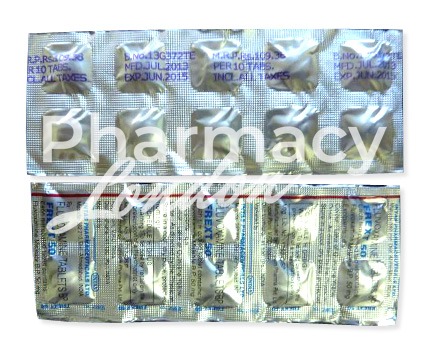
- Imported generic tablets: 50 mg in packs of 30 to 360, and 100 mg in packs of 30 to 240.
- A prescription-only medicine; the SmPC sets 300 mg a day as the ceiling and advises splitting any total above 150 mg.
Fluvoxamine: what it treats
Fluvoxamine is an antidepressant from the SSRI family, meaning it raises the amount of serotonin available to nerve cells in the brain. The UK SmPC lists two uses: a major depressive episode and obsessive-compulsive disorder (OCD). For OCD it may also be given to children over the age of eight, but it must not be used to treat depression in anyone under 18. As with other antidepressants, it usually takes a few weeks before the benefit becomes clear, so close follow-up with the prescriber matters most in those first weeks.
The two strengths stocked
This page lists an imported generic version of fluvoxamine in two strengths. You can choose 50 mg tablets in boxes of 30, 60, 90, 120, 180 or 360, or 100 mg tablets in boxes of 30, 60, 90, 120, 180 or 240. Both strengths correspond to those licensed in the UK, where the originator brand is Faverin. The lower strength suits the start of treatment and smaller adjustments, while the higher one keeps the number of tablets down at larger daily doses.
How the dose is worked out
For depression, adults normally start on 50 or 100 mg taken once in the evening, and 100 mg a day is the recommended dose. The dose is looked at again within three to four weeks. For OCD the starting dose is 50 mg a day, with a usual range of 100 to 300 mg. In either condition 300 mg a day is the maximum. Up to 150 mg can be taken in a single dose, ideally in the evening; anything above that is divided into two or three doses. Tablets should be swallowed with water, not chewed. People with liver or kidney problems start on a low dose and are monitored closely. Depression is generally treated for at least six months so that symptoms do not return. The prescriber decides the dose and the length of the course.
Licensing and legal category here
Under UK medicines law, supply of fluvoxamine requires a prescription: its legal category is POM. Faverin 50 mg and 100 mg film-coated tablets are licensed products, and their SmPCs and patient leaflets are published on the electronic medicines compendium. The tablets offered here are an imported generic and are not one of those UK-licensed packs.
Medicines that clash with fluvoxamine
The SmPC forbids combining it with tizanidine, pimozide or monoamine oxidase inhibitors (MAOIs). Treatment can begin two weeks after an irreversible MAOI is stopped, or the following day after a reversible one such as moclobemide; at least a week must pass after the last dose before an MAOI is started. Because it inhibits the liver enzyme CYP1A2, it can raise blood levels of theophylline, clozapine and caffeine, and it can increase the effect of warfarin. Heavy coffee drinkers may notice tremor, palpitations, restlessness or poor sleep.
Side effects, warnings and coming off treatment
Nausea, sometimes with vomiting, is the effect people notice most in the early weeks; indigestion, diarrhoea, constipation and a dry mouth are also reported. Depression itself carries a risk of suicidal thoughts, which may be higher early in recovery and in adults under 25, so any worsening of mood should be reported straight away. Serotonin syndrome, which can bring on agitation, a high temperature, sweating, muscle twitching and a fast heartbeat, is rare but serious and needs urgent help, through A&E if necessary. Alcohol is best avoided during treatment, and people should see how the tablets affect them before driving. Fluvoxamine should not be stopped suddenly: the SmPC advises tapering over at least one to two weeks to reduce withdrawal effects such as dizziness, disturbed sleep, agitation and headache.



