
Furosemide
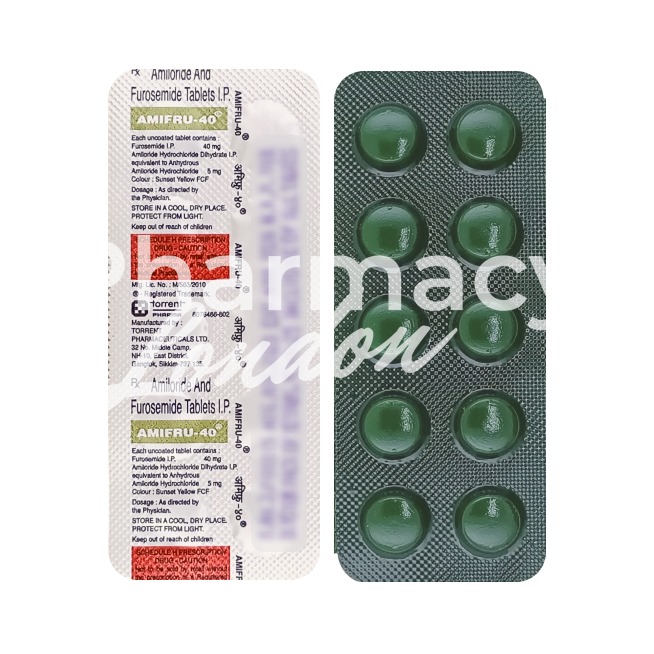
In brief
- Furosemide is supplied by Pharmacy London in two tablet strengths, 40mg and 100mg, in quantities from 60 up to 360 tablets, reaching UK customers in 9–21 days.
- This loop diuretic helps the body get rid of fluid that builds up in the legs, lungs or abdomen, and is also used, usually alongside other medicines, to lower blood pressure.
- Most adults with oedema begin on 40 mg once daily and are then kept on the lowest effective dose; 40mg is a UK-licensed strength, whereas 100mg tablets are not licensed in Britain.
- Because it removes potassium along with water, regular blood monitoring is important, and your doctor may add a potassium supplement or a potassium-sparing medicine.
- Feeling light-headed, very thirsty or confused can point to dehydration or low blood salts and needs prompt advice; furosemide is a prescription-only medicine in the UK.
Basic furosemide information
- INN (international nonproprietary name): Furosemide, formerly known as frusemide in the UK.
- Brand names available in the United Kingdom: Lasix; generic furosemide (e.g. Teva, Zentiva, Wockhardt).
- ATC code: C03CA01.
- Forms & dosages: Tablets 20 mg and 40 mg; solution for injection 20 mg/2 ml and 50 mg/5 ml; oral solution 40 mg/5 ml.
- Manufacturers in the United Kingdom: Generic products supplied by multiple manufacturers; packaging may vary by company, but the active ingredient remains the same.
- Registration status in the United Kingdom: MHRA-authorised, Rx-only.
- OTC / Rx classification: Prescription (Rx) medicine.
Legal status and availability in the UK
Furosemide is a prescription-only loop diuretic (POM) in the UK, authorised by the MHRA for heart failure and oedema.
Our online pharmacy offers furosemide in a prescription-friendly service, with discreet delivery to the United Kingdom in 9–21 days.
Clinical effectiveness in the NHS context
Where does furosemide sit in day-to-day NHS care?
It is commonly used for heart failure, fluid retention, liver disease and kidney disease, with prescribers aiming to ease congestion rather than cure the underlying cause.
Standard adult dosing for oedema is usually 20 to 80 mg orally once or twice daily, while hypertension dosing is often 20 to 40 mg twice daily, with titration according to response.
Patients often notice less ankle swelling, easier breathing and a lighter feeling within hours in acute overload, although frequent urination can interrupt work, sleep and travel.
In UK practice, prescriptions may arrive through GP practices, hospital discharge letters or electronic prescribing systems, and pharmacists are often asked about timing, nocturia and dose changes.
| Expected benefit | Common challenge | Monitoring needed |
|---|---|---|
| Reduced swelling and breathlessness | Frequent trips to the toilet | Weight, blood pressure, electrolytes and renal function |
| Rapid relief in fluid overload | Sleep disruption if taken late | Symptoms of dehydration and dizziness |
| Useful as part of heart failure treatment | Need for dose adjustment over time | Lab results and clinical review |
Indications and expanded uses in NHS and private care
What exactly is furosemide prescribed for?
Its core MHRA-approved uses are straightforward, and they match what most UK patients expect from a water tablet.
- Oedema in heart failure, liver disease or kidney disease
- Oral treatment is usually chosen for ongoing fluid control, while IV treatment is used when rapid effect is needed.
- Hypertension
- Furosemide may be used when fluid balance contributes to raised blood pressure, usually in a prescription-only setting.
- Acute pulmonary oedema
- IV furosemide is used in emergency care, typically 20 to 40 mg and repeated in steps if response is needed.
Specialist-led or off-label use can happen in UK practice, but it should stay conservative and evidence-led, especially where renal or liver disease complicates treatment.
Higher doses may be used in renal impairment under close monitoring.
It is not an over-the-counter medicine; in the UK it is supplied on prescription.
Composition, strengths and brand landscape in the UK
Why do some boxes say furosemide and others say frusemide?
Furosemide is the international nonproprietary name, while frusemide is the former British name that many patients still recognise.
Generic prescribing is common in UK primary care, so the pack may look different depending on the manufacturer, even when the active ingredient is identical.
Patients may receive tablets, film-coated tablets, oral solution or injection ampoules, and the chosen format often depends on swallowing ability, severity of symptoms and whether treatment is being started in hospital.
Contraindications, red flags and special precautions
When should furosemide be avoided?
Some situations mean the medicine should not be used, while others call for caution, extra monitoring or specialist review.
| Do not use / use with caution | Why it matters |
|---|---|
| Anuria, hypersensitivity to furosemide or sulfonamides, severe hypokalaemia or hyponatraemia, hepatic coma or pre-coma | These are major safety concerns and can make treatment unsafe. |
| Diabetes, gout, prostate enlargement, urinary retention, dehydration, hypotension, pregnancy and breastfeeding | These can worsen side effects or require a different treatment plan. |
| High IV doses, especially in renal impairment | The risk of ototoxicity rises, so monitoring becomes more important. |
In daily life, patients should stand up slowly, be cautious with alcohol, and think twice before driving if dizzy or light-headed.
That practical advice matters because the most common problems are not dramatic allergic reactions, but dehydration, postural symptoms and electrolyte imbalance.
Dosage guidelines and titration in UK practice
How much furosemide is usually taken?
The answer depends on age, indication, kidney function and whether treatment is oral or intravenous.
| Patient group | Typical dose | Monitoring needed |
|---|---|---|
| Adults with oedema | 20 to 80 mg orally, once or twice daily | Weight, symptoms, electrolytes and renal function |
| Adults with hypertension | 20 to 40 mg twice daily | Blood pressure, kidney function and hydration status |
| Acute pulmonary oedema | 20 to 40 mg IV, repeated as needed | Urgent clinical monitoring and response to treatment |
| Children | 1 to 2 mg/kg/dose, maximum 6 mg/kg/day | Individual titration and close supervision |
| Older adults | Start low and increase carefully | Electrolytes, dizziness, dehydration and falls risk |
| Renal or liver impairment | May need higher or IV dosing under monitoring | Frequent renal and electrolyte checks |
Missed a dose?
Take it as soon as remembered unless the next dose is near, and never take a double dose to catch up.
Chronic treatment can continue for a long time, sometimes indefinitely, with the dose set by symptoms and lab results rather than by a fixed end date.
Interactions: medicines, food and common UK concerns
What should patients be careful with when taking furosemide?
- Higher risk combinations: antihypertensives may have stronger blood-pressure lowering effects, while NSAIDs and aminoglycosides can create safety concerns.
- May reduce the effect of treatment: NSAIDs can blunt the expected diuretic response in some people.
- Seek advice before combining: all prescription medicines, over-the-counter painkillers, supplements and herbal products should be checked with a pharmacist or prescriber.
- Drink-related concerns: alcohol can worsen dizziness and dehydration, especially when the medicine is already increasing urine output.
- Practical habits: tea and coffee are usually more of a hydration issue than a direct interaction, so the main concern is total fluid balance.
A quick medicines check is worth doing before starting a new tablet, even when the product is familiar.
Comparable medicines and prescribing preferences
What if furosemide does not work well enough?
UK prescribers may consider other loop diuretics such as torasemide or bumetanide if the response is poor, side effects are troublesome, or a different duration of action is preferred.
| Medicine | Typical difference | Common reason to switch |
|---|---|---|
| Furosemide | Widely used, familiar, generically available | First choice for many NHS patients |
| Torasemide | Alternative loop diuretic | Considered when response or duration needs differ |
| Bumetanide | Another loop diuretic | May be used if a different potency profile is needed |
Choice is not only about brand loyalty, because supply, formulation availability and whether a patient needs tablets or liquid can all affect the final prescription.
Even so, furosemide remains the most familiar loop diuretic in the NHS because of its long-standing use and broad generic availability.
Common questions from NHS patients
- How quickly does furosemide work?
- It often works quickly in acute fluid overload, especially when given intravenously, although response can be slower or less dramatic in chronic use.
- Why do I need blood tests?
- Blood tests check electrolytes and kidney function, because low potassium, low sodium and changes in creatinine or urea can happen.
- Can I take it at night?
- It is usually better earlier in the day, because nighttime dosing can lead to sleep disruption from frequent urination.
- What should I do if I miss a dose?
- Take it when remembered unless the next dose is close, and do not double up.
Guidelines for proper use and ongoing monitoring
What makes long-term use safer?
Good monitoring, sensible timing and early action when symptoms change.
- Take furosemide exactly as directed by the prescriber.
- Try to take it early in the day to reduce nocturia.
- Keep an eye on weight, blood pressure, renal function and electrolytes.
- Report cramps, dizziness, palpitations or unusual weakness promptly.
- Watch for thirst, dry mouth and signs of dehydration.
- Seek advice if swelling worsens or breathlessness returns.
- Use NHS support portals and repeat-prescription systems where available.
Storage is straightforward: keep tablets and vials at 15 to 25°C, protect them from light and moisture, and do not freeze injectables.
Urgent help is needed if profound diuresis, dehydration, hypotension, severe electrolyte disturbance or marked weakness develops, because these can signal overdose or over-diuresis.
Delivery across the United Kingdom
| City | Region | Delivery time |
|---|---|---|
| London | England | 9–21 days |
| Birmingham | England | 9–21 days |
| Manchester | England | 9–21 days |
| Leeds | England | 9–21 days |
| Liverpool | England | 9–21 days |
| Bristol | England | 9–21 days |
| Sheffield | England | 9–21 days |
| Newcastle upon Tyne | England | 9–21 days |
| Nottingham | England | 9–21 days |
| Edinburgh | Scotland | 9–21 days |
| Glasgow | Scotland | 9–21 days |
| Cardiff | Wales | 9–21 days |
| Belfast | Northern Ireland | 9–21 days |
| Coventry | England | 9–21 days |
| Aberdeen | Scotland | 9–21 days |



