
Indomethacin
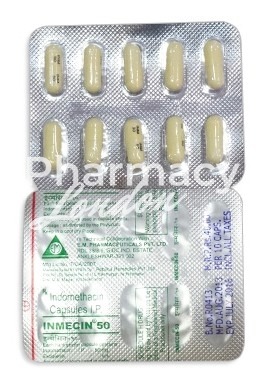
In stock
25mg · 50mg · 75mg
from 14,09 £
In brief
- Indomethacin is a long-established NSAID that eases inflammatory pain in arthritis, flares of gout and painful periods.
- Listed in 25mg, 50mg and 75mg strengths, each in quantities of 30, 60, 90, 120, 180, 270 or 360.
- British product information spells it indometacin, and the medicine is available here only on prescription (POM).
Indomethacin and the conditions it treats
Indomethacin is a non-steroidal anti-inflammatory drug that dampens the body's production of prostaglandins, substances that drive swelling, heat and pain in inflamed tissue. The UK SmPC for indometacin lists the active phases of rheumatoid arthritis, osteoarthritis and ankylosing spondylitis, degenerative disease of the hip, acute musculoskeletal problems, low back pain and attacks of gout. It is also licensed for pain and swelling after orthopaedic operations and for period pain (primary dysmenorrhoea), and it is noted as useful where pain at night and stiffness in the morning are troublesome. It relieves symptoms; it does not slow the joint disease itself.
The 25mg, 50mg and 75mg options
Indomethacin appears on this page in three strengths: 25mg, 50mg and 75mg. Each can be ordered as 30, 60, 90, 120, 180, 270 or 360 units. The product is an imported generic. A bigger quantity is simply more of the same strength and does not imply a higher daily dose.
UK name, legal category and how much is taken
British product information uses the international name indometacin, and the medicine is prescription-only (POM). The SmPC on the electronic medicines compendium, written for the suppository form, caps the total at 200mg in 24 hours, and all NSAIDs are meant to be used at the lowest effective dose for the shortest period that keeps symptoms under control. Taking each dose with food or milk is the usual advice to protect the stomach. Older people are more likely to run into side effects and are watched closely, while safety in children has not been established. Indomethacin should not be combined with ibuprofen, naproxen, aspirin or any other NSAID.
When indomethacin must be avoided
The medicine is ruled out for anyone with a stomach or duodenal ulcer now or in the past, or with repeated bleeding or ulceration of the gut. It must also be avoided if aspirin or another anti-inflammatory has ever brought on asthma, nettle rash or a runny nose, or if nasal polyps occur together with swelling of the face and throat (angio-oedema). Use is contraindicated in the last three months of pregnancy and during breastfeeding, is avoided earlier in pregnancy unless clearly necessary, and is not advised for women trying to conceive. High blood pressure, heart problems, fluid retention and reduced kidney or liver function all call for caution and regular checks.
Medicines that interact
Blood thinners such as warfarin and steroid tablets increase the chance of bleeding from the gut. Indometacin can raise blood levels of lithium, digoxin and methotrexate, and kidney function may suffer when it is given with ciclosporin. It can weaken the effect of diuretics and blood pressure medicines, and it should not be taken with triamterene or diflunisal.
Possible side effects
Headache is one of the problems most often reported, sometimes with dizziness or light-headedness; others include nausea, indigestion, tummy pain, diarrhoea or constipation, tiredness, vertigo and low mood. If headache or dizziness occurs, do not drive or operate machinery. Black, tarry stools, vomiting blood, severe abdominal pain, chest pain, sudden breathlessness or swelling of the lips and tongue need emergency care at A&E. Whether indomethacin suits you, and at what dose, is for your GP or prescriber to decide.



