
Provera
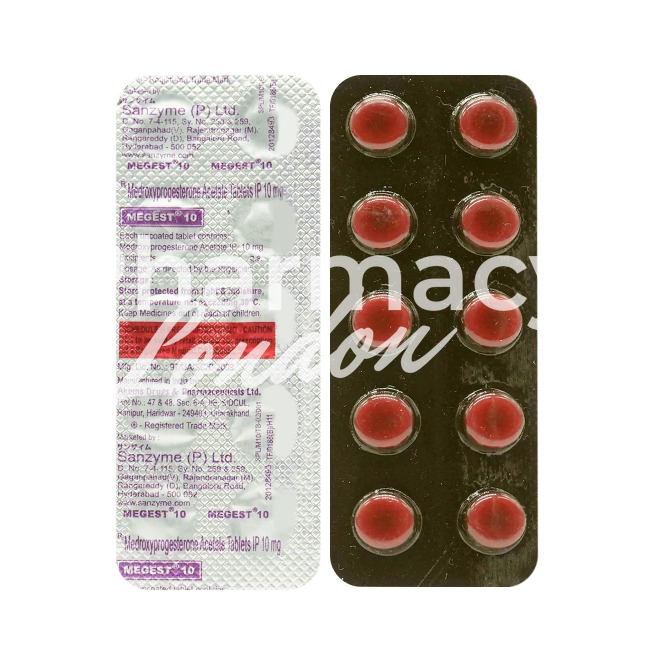
In stock
5mg · 10mg
from 12,72 £
In brief
- Provera (medroxyprogesterone acetate) is a prescription-only medicine (POM) in the UK.
- Provera (medroxyprogesterone acetate) is a synthetic progestogen used for menstrual disorders, abnormal uterine bleeding, endometrial protection during oestrogen therapy and as a contraceptive (depot injection). It acts on progesterone receptors to transform the endometrium, oppose oestrogen‑driven proliferation and suppress gonadotrophin secretion, which can inhibit ovulation.
- Usual doses vary by indication: oral tablets commonly 5–10 mg daily for 5–10 days for abnormal uterine bleeding (often starting day 16 or 21 of the cycle); for endometrial hyperplasia 5–10 mg daily for 12–14 consecutive days per month; injectable contraception: Depo‑Provera 150 mg IM every 3 months or Sayana Press 104 mg SC every 3 months.
- Forms of administration include oral tablets (2.5 mg, 5 mg, 10 mg) and intramuscular or subcutaneous depot injections (e.g. 150 mg/mL IM; 104 mg/0.65 mL SC).
- Onset: effects on the endometrium can begin within 24–48 hours; for contraception injections given in the first 5 days of the cycle are immediately effective, otherwise backup contraception is advised for about 7 days; control of bleeding may take several days.
- Duration of action depends on form: oral effects persist while the drug is taken; depot injections provide contraceptive protection for approximately 12–13 weeks (3 months); long‑term use of injectables may affect bone density and should be reviewed if continued beyond about 2 years.
- Avoid excessive alcohol — there is no major direct interaction but alcohol can worsen side effects such as dizziness, drowsiness and mood changes, so use caution.
- The most common side effect is menstrual irregularity (spotting, breakthrough bleeding or amenorrhoea); other frequent effects include weight change, headache, breast tenderness, nausea and mood changes (injections may also cause local injection‑site reactions).
- Would you like to try Provera without a prescription?
Basic Provera information
- INN (international nonproprietary name): Medroxyprogesterone acetate.
- Brand names available in the United Kingdom: Provera (and generics); injectable brands Depo‑Provera and Sayana Press.
- ATC code: G03DA02.
- Forms and strengths: oral tablets 2.5 mg, 5 mg and 10 mg; injectables 150 mg/mL IM and 104 mg/0.65 mL subcutaneous prefilled injectors.
- Manufacturers: Pfizer and generic manufacturers.
- Registration status in the United Kingdom: not specified.
- OTC / Rx classification: Prescription only (Rx).
Legal status and availability in the UK
In our online pharmacy, Provera is available without a prescription, with discreet delivery to the United Kingdom in 9–21 days.
Clinical effectiveness in the UK
How well does medroxyprogesterone acetate work in everyday NHS practice?
- Oral regimens: 5–10 mg daily for 5–10 days reliably controls abnormal uterine bleeding, with many patients achieving a prompt withdrawal bleed.
- Injectable contraception: Depo‑Provera 150 mg IM and Sayana Press 104 mg SC given roughly every 12–13 weeks provide effective contraception with typical‑use effectiveness comparable to other long‑acting methods.
- Bone health: clinics emphasise bone health counselling for patients using injectable medroxyprogesterone acetate continuously beyond two years.
Indications and expanded uses
When is medroxyprogesterone acetate prescribed on and off label?
- Licensed uses
- Treatment of secondary amenorrhoea and abnormal uterine bleeding with oral tablets 5–10 mg daily for 5–10 days.
- Endometrial protection as the progestogen component of combined HRT: 5–10 mg daily for 12–14 consecutive days per month.
- Contraception (injectable): Depo‑Provera 150 mg IM every three months or Sayana Press 104 mg SC every three months.
- Common off‑label practices
- Management of endometrial hyperplasia in selected patients under specialist supervision, dosing individualised.
- Short pre‑investigation courses to induce withdrawal bleeding prior to diagnostic tests.
- Period‑delay strategies in specific clinical contexts when clinician‑directed and documented with informed consent.
Composition and brand landscape
What products and strengths are available?
| Brand | Form | Strength | Common pack sizes |
|---|---|---|---|
| Provera (Pfizer and generics) | Tablet | 2.5 mg, 5 mg, 10 mg | Blister packs; pack sizes vary by manufacturer. |
| Depo‑Provera | Injection (IM) | 150 mg/mL | Vials for clinical use; supplied to contraception clinics. |
| Sayana Press | Injection (SC) | 104 mg/0.65 mL | Prefilled injectors. |
| Generics | Tablet / Injectable | Various strengths as above | Pack sizes vary by manufacturer. |
Contraindications and special precautions
Who should not take medroxyprogesterone acetate and when to be cautious?
- Absolute contraindications: Known hypersensitivity to medroxyprogesterone acetate or excipients; active or prior thromboembolic disease (DVT, PE, stroke); known or suspected breast or genital malignancy; undiagnosed vaginal bleeding; significant liver dysfunction; pregnancy until excluded.
- Relative contraindications: History of depression, migraine, epilepsy, diabetes with vascular complications, cardiovascular risk factors or osteoporosis—these require close monitoring.
- Practical cautions: Temporary dizziness, sedation or mood effects may affect driving or operating machinery; advise patients accordingly.
Absolute contraindications should prompt immediate prescription review and alternative management.
Dosage guidelines
What are the standard regimens and practical monitoring points?
| Indication | Route | Dose / interval | Monitoring |
|---|---|---|---|
| Secondary amenorrhoea / abnormal bleeding | Oral | 5–10 mg daily for 5–10 days (often day 16–21). | Clinical response; repeat as clinically indicated. |
| Endometrial protection (HRT) | Oral | 5–10 mg daily for 12–14 consecutive days per month. | Endometrial assessment if bleeding persists. |
| Contraception | IM / SC | Depo‑Provera 150 mg IM every 3 months; Sayana Press 104 mg SC every 3 months. | Document start date; review bone health if >2 years continuous use. |
- Children: Not approved except in specialist circumstances; specialist dosing only.
- Elderly: No routine dose change but exercise caution for VTE and cognitive risks.
- Liver impairment: Avoid or use with specialist input due to hepatic metabolism.
Interactions overview
Which commonly prescribed drugs affect medroxyprogesterone acetate?
- Enzyme inducers: Rifampicin, certain anticonvulsants and St John’s wort can reduce progestogen levels and may lower contraceptive effectiveness.
- Enzyme inhibitors: Theoretical risk of raised levels and altered side‑effect profile; monitor clinically.
- Diabetes: Altered glucose tolerance reported—monitor blood glucose when appropriate.
- Anticoagulants: Effect is variable; monitor INR closely if warfarin is co‑prescribed.
- CNS depressants: Additive sedation possible with sedatives—counsel patients about driving and alcohol.
| Interacting drug class | Expected effect | Recommended action |
|---|---|---|
| Enzyme inducers (e.g. rifampicin) | Reduced progestogen levels | Consider alternative contraception; discuss risks with patient. |
| Anticoagulants (warfarin) | Variable effect on INR | Monitor INR; adjust dose as needed. |
| Sedatives | Increased CNS depression | Avoid hazardous tasks; review concomitant therapy. |
Comparable medicines and preferences
What are the main alternatives and when might they be chosen?
- Oral alternative progestogens: Norethisterone, drospirenone and micronised progesterone may be used depending on indication and tolerance.
- LARC alternatives: Levonorgestrel intrauterine systems and implants offer long‑acting contraception without the bone‑health concerns associated with prolonged injectable use.
| Medicine / method | Efficacy | Monitoring needs | Impact on fertility | Bone health consideration |
|---|---|---|---|---|
| Depo‑Provera (medroxyprogesterone acetate) | High contraceptive efficacy | Routine clinical review; bone health review if >2 years | Fertility can be delayed months after last injection | BMD reduction reported with prolonged use; reversible on stopping. |
| Levonorgestrel IUS | Very high efficacy | Local checks; fewer systemic effects | Fertility returns quickly after removal | No systemic BMD effect; preferred if BMD a concern. |
| Implant | Very high efficacy | Insertion/removal clinic‑based | Fertility returns quickly after removal | No systemic BMD effect. |
FAQ
- How quickly does Provera work for heavy periods?
- Oral courses of 5–10 mg daily for 5–10 days usually induce a withdrawal bleed within days of finishing the course and reduce ongoing bleeding when used as directed.
- Can I use it to delay my period?
- Short oral courses can be used under clinician advice to manipulate bleeding; injectables suppress cycles but timing and administration are clinic‑managed.
- Will Depo‑Provera affect my future fertility?
- Fertility usually returns after stopping but can be delayed by several months after the last injection; counsel patients when choosing contraception.
- What side effects should prompt contact?
- Acute leg pain or swelling, sudden breathlessness, severe abdominal pain, jaundice or suspected pregnancy require urgent medical review and immediate contact with NHS 111 or emergency services as appropriate.
Guidelines for proper use
What should pharmacists and clinicians cover when dispensing or counselling?
- Confirm the indication, allergy history and any history of VTE before supply or administration.
- Discuss contraception needs and alternative options such as levonorgestrel IUS or implants where appropriate.
- Advise on correct oral dosing for bleeding control and the injection schedule: 150 mg IM or 104 mg SQ every ~12 weeks as per product data.
- Document start date and arrange review for bone health if injectables continue beyond two years.
- Explain missed‑dose action: take missed oral dose if remembered the same day and advise not to double up; arrange missed injections as soon as possible with backup contraception if needed.
- Storage advice: tablets store at or below 25–30°C; injectables 15–30°C and protect from light; do not freeze.
- Encourage reporting of suspected adverse reactions via Yellow Card and signpost to NHS 111 or local sexual health clinics for urgent concerns.
Delivery across the United Kingdom
| City | Region | Delivery Time |
|---|---|---|
| London | England | 9–21 days |
| Birmingham | England | 9–21 days |
| Manchester | England | 9–21 days |
| Glasgow | Scotland | 9–21 days |
| Edinburgh | Scotland | 9–21 days |
| Liverpool | England | 9–21 days |
| Leeds | England | 9–21 days |
| Bristol | England | 9–21 days |
| Sheffield | England | 9–21 days |
| Newcastle | England | 9–21 days |
| Nottingham | England | 9–21 days |
| Cardiff | Wales | 9–21 days |
| Belfast | Northern Ireland | 9–21 days |



