
Tofisopam
In stock
50mg
from 20,77 £
In brief
- Tofisopam belongs to the 2,3-benzodiazepines, a small family of anti-anxiety drugs that differs in structure from diazepam.
- A single 50mg strength is available, in quantities from 10 to 180 tablets.
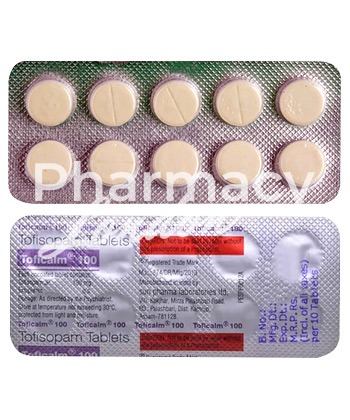
- The medicine is not licensed in the UK; the product listed here is an imported generic.
Tofisopam as a treatment for anxiety
Tofisopam is prescribed in some countries for anxiety states, especially where worry comes with physical symptoms such as a racing heart, sweating or muscle tension. Chemically it is a 2,3-benzodiazepine, a structure that sets it apart from the 1,4-benzodiazepines familiar in the UK, such as diazepam. It is generally regarded as causing less daytime drowsiness and less muscle relaxation than those medicines, although the evidence base is far smaller and largely comes from outside Britain.
No UK licence: what that means
No tofisopam product is authorised for sale in the UK, and the electronic medicines compendium carries no SmPC or patient leaflet for it. The tablets on this page are an imported generic. Where a UK clinician decides to use an unlicensed medicine, they accept personal responsibility for prescribing it. NICE guidance for generalised anxiety typically points first to talking therapies and, if a medicine is needed, to licensed options such as sertraline.
Strength and quantities listed
Tofisopam is listed here in one strength only, 50mg per tablet. You can choose 10, 20, 30, 60, 90, 120 or 180 tablets; the smaller amounts may suit a short course agreed with a prescriber, while a larger quantity simply lasts longer and does not change what each tablet contains. Every tablet in the range is the same imported generic.
Usual dosing in the product information
Leaflets supplied with 50mg tofisopam tablets describe one or two tablets taken one to three times a day, giving a daily total of 50mg to 300mg, with 300mg as the upper limit. Because there is no UK guidance to follow, the dose and the length of treatment should be agreed individually with the prescriber, who may suggest less for older people or those with reduced kidney function.
Who should avoid it, and interactions
According to the product information, tofisopam is not to be taken by people who are allergic to it or to other benzodiazepines, who have severe, decompensated breathing failure, or who have a history of sleep apnoea or of coma. It is not used during pregnancy or breastfeeding without a clear reason. The liver breaks it down through the CYP3A4 enzyme, and for that reason taking it with the transplant medicines tacrolimus, sirolimus or ciclosporin is contraindicated. Antifungals such as ketoconazole may increase its levels, and drinking alcohol or using other medicines that act on the brain calls for caution.
Side effects and a final word
Reported effects include headache, difficulty sleeping, irritability, reduced appetite, nausea, constipation, dry mouth and skin rash. Swelling of the face, lips or throat, or trouble breathing, is an emergency: call 999 or go to A&E. Anyone with ongoing anxiety should start with their GP, who can look at possible causes such as an overactive thyroid, caffeine, alcohol or side effects of other medicines, and can discuss the licensed treatments and talking therapies available on referral. As there is no UK patient leaflet to refer to, it is sensible to ask the prescriber for clear written instructions. The decision on whether tofisopam is appropriate rests with the doctor or prescriber.



