
Zaleplon
In stock
10mg
from 33,38 £
In brief
- Zaleplon is a hypnotic from the same group as zolpidem and zopiclone, often called the Z-drugs, used for short-term insomnia.
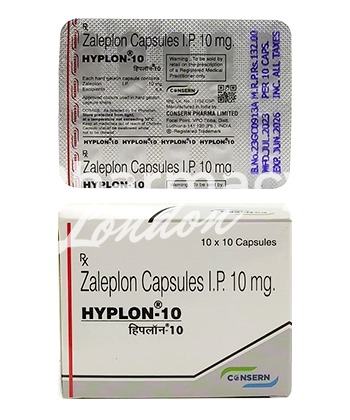
- Listed as an imported generic of 10 mg, with a choice of 100 or 200 units per pack.
- No longer licensed in the UK and controlled as a Class C, Schedule 4 Part 1 drug since 2014.
Zaleplon: a Z-drug for sleeplessness
Zaleplon is a sleeping medicine belonging to the so-called Z-drugs, the group that also includes zolpidem and zopiclone. These hypnotics are not benzodiazepines in chemical terms, but they act on the same calming GABA system in the brain and are meant for the short-term management of insomnia rather than as a long-term nightly habit. NICE technology appraisal TA77, the guidance that compared these three medicines, was written for insomnia severe enough to interfere with normal daily life.
Strength and pack sizes
This listing is for imported generic zaleplon in a single 10 mg strength, sold in packs of 100 or 200 units. Packs of this size go well beyond a short course, which is worth bearing in mind given the UK advice on brief use set out below. Because there is no current UK licence, there is no UK summary of product characteristics or UK patient leaflet against which these doses can be matched, so dosing has to be set by the prescriber.
Licence position in the UK
According to NICE, zaleplon no longer holds a marketing authorisation in the UK. It has no UK legal category such as POM, P or GSL in the usual sense, because it is not a licensed product here. The 10 mg strength on this page is therefore an imported generic, not a UK-licensed medicine. Anyone who has used it before should talk to their GP about whether a licensed alternative would suit them better.
Controlled drug status
Following advice from the Advisory Council on the Misuse of Drugs, the Home Office brought zaleplon and zopiclone under the Misuse of Drugs Act 1971 as Class C drugs, in line with zolpidem. Since 10 June 2014 they have been listed in Schedule 4 Part 1 of the Misuse of Drugs Regulations 2001, which controls how it may be supplied and held. The controls reflect concerns about misuse and dependence with this class of sleeping medicine.
What UK guidance says about hypnotics
NICE technology appraisal TA77 covers zaleplon, zolpidem and zopiclone together, and its advice applies to the whole group. Non-drug measures should be considered first. Where a hypnotic is judged appropriate for severe insomnia, it should be prescribed for short periods only. Switching from one of these medicines to another is recommended only when side effects are clearly linked to a particular drug, and someone who has not responded to one of them should not be given another. Good sleep habits, such as a regular bedtime, limiting caffeine and alcohol, and keeping the bedroom dark and quiet, remain the foundation of treatment. Where poor sleep is linked to pain, low mood, anxiety or another health problem, dealing with that cause is usually more useful than a sleeping tablet.
Safety points to discuss with a prescriber
Like other sedating medicines, zaleplon can make a person drowsy, and that effect is stronger with alcohol or other medicines that cause sleepiness, so these combinations need care. Anyone who still feels less alert the next morning should not drive or operate machinery. Because the Z-drugs carry a risk of dependence, they are intended for brief use only. Any wish to come off a sleeping medicine after regular use is best planned with the prescriber rather than handled alone, and the same goes for any worry about how much is being taken. Pregnancy, breastfeeding, breathing problems, liver disease and any history of drug or alcohol misuse should be raised with the prescriber, who decides whether this medicine is suitable at all.



