
Ziprasidone
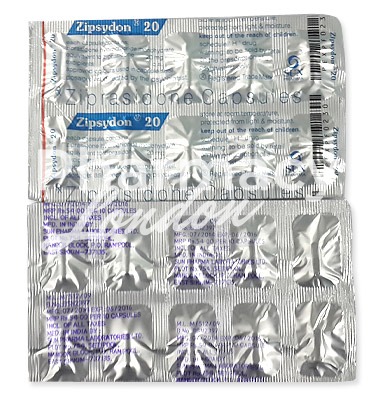
In stock
20mg · 40mg · 80mg
from 34,12 £
In brief
- Ziprasidone is a newer-generation antipsychotic that psychiatrists may use in schizophrenia and in the manic phase of bipolar illness.
- Strengths of 20mg and 40mg are listed in quantities from 30 to 360; the 80mg strength goes up to 180.
- No ziprasidone medicine currently holds a UK licence, so specialist supervision and ECG monitoring are especially important.
Ziprasidone: an atypical antipsychotic explained
Ziprasidone sits among the newer antipsychotics that doctors describe as atypical. Its main action is to block dopamine and serotonin receptors in the brain, which helps to quieten psychotic symptoms such as hearing voices, fixed false beliefs and muddled thinking. Product information for the medicine covers two uses in adults: schizophrenia, and manic or mixed episodes in bipolar disorder. It is not a treatment for behavioural symptoms of dementia, and older people with dementia should not be given it for that purpose.
Status in the UK and what this listing covers
There is no ziprasidone product on the UK medicines register, so neither a brand nor a generic version is licensed here and there is no UK SmPC to consult. The item listed on this page is an imported generic. Three strengths are available: 20mg and 40mg in quantities of 30, 60, 90, 120, 180 or 360, and 80mg in quantities of 30, 60, 90, 120 or 180. In the UK, an unlicensed antipsychotic of this kind is normally used only when a psychiatrist judges that licensed options are unsuitable, and the prescriber then takes on direct responsibility for that choice.
Taking it twice a day, always alongside food
The product information describes a twice-daily schedule, with each dose taken with a meal, because the body absorbs considerably less of the drug on an empty stomach. Each dose is swallowed whole, not opened, crushed or chewed. In schizophrenia the typical opening dose is 40mg with each of two meals; it can be tailored later, but no single dose should exceed 80mg, so the daily ceiling is 160mg. Changes are made gradually, a few days apart. People with liver problems and older adults may be kept on lower amounts. The medicine is not recommended for anyone under 18.
Why the heart is checked before and during treatment
Ziprasidone can lengthen the QT interval, a measurement on the heart tracing that reflects how the heart muscle recovers between beats. A long QT interval raises the risk of a dangerous irregular rhythm. For that reason it must not be used by anyone with a known or inherited long QT interval, a recent heart attack, heart failure that is not under control, or rhythm problems that need class IA or class III antiarrhythmic drugs. Low blood potassium or magnesium has to be put right before the first dose, and a slow resting pulse calls for extra care. Fits in the past, diabetes and a tendency to fall are further points the specialist will want to know about.
Combinations that raise the risk
Other medicines that prolong the QT interval should not be taken at the same time. Examples include certain antipsychotics such as thioridazine and pimozide, the antibiotic moxifloxacin, and antiarrhythmics such as amiodarone and sotalol. Carbamazepine can reduce ziprasidone levels in the blood. Alcohol, sleeping tablets and other sedating medicines can make drowsiness worse, and an antipsychotic may blunt the effect of levodopa used for Parkinson's disease. Anyone already on regular medication should give the prescriber a full list.
Side effects to look out for
Restlessness and an urge to keep moving (akathisia), sleepiness, headache, tremor, muscle stiffness, nausea, constipation and blurred vision are among the effects people may notice. Palpitations, fainting or a pounding, irregular heartbeat need urgent medical attention, as does a high temperature with rigid muscles and confusion. Call 999 or go to A&E for chest pain or a collapse. Whether ziprasidone is appropriate, given its unlicensed status in the UK, is a decision for the psychiatrist or prescriber.



