
Antibiotics

Augmentin
from
Zithromax
from
Ciproxin
from
Amoxil
from
Bactrim
from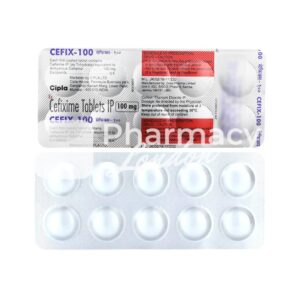
Suprax
from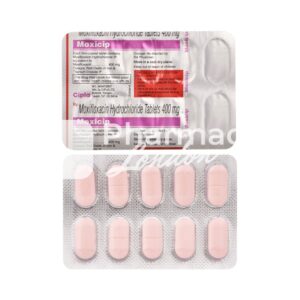
Avelox
from
Flagyl
from
Amoxicillin
from
Doxycycline
from
Ciprofloxacin
from
Metronidazole
from
Erythromycin
fromWhat Are Antibiotics and How Do They Work?
Antibiotics are powerful medicines designed to fight bacterial infections by either killing bacteria or stopping their growth. These medications have revolutionised modern medicine since their discovery, saving millions of lives worldwide. When you develop a bacterial infection, antibiotics work by targeting specific parts of the bacterial cell, disrupting their ability to survive and multiply.
There are several classes of antibiotics, each working in different ways. Some antibiotics destroy the bacterial cell wall, causing the bacteria to die, whilst others interfere with protein production or DNA replication within bacterial cells. It’s important to understand that antibiotics only work against bacterial infections and cannot treat viral infections like colds or flu. Taking antibiotics for viral infections is not only ineffective but also contributes to antibiotic resistance, a growing global health concern.
The development of antibiotic resistance occurs when bacteria evolve to survive antibiotic treatment. This happens when antibiotics are overused, misused, or not taken as prescribed. To protect the effectiveness of antibiotics for future generations, it’s crucial to use them responsibly and only when truly necessary.
Common Types of Antibiotics Available in the UK
The United Kingdom offers a wide range of antibiotics to treat various bacterial infections. Understanding the different types helps you know what to expect when your doctor prescribes treatment.
Penicillins
Penicillins are amongst the oldest and most commonly prescribed antibiotics. Amoxicillin is widely used for ear infections, throat infections, and urinary tract infections. Penicillin V is another popular choice for streptococcal infections and dental problems. Flucloxacillin is prescribed for skin and soft tissue infections, particularly those caused by Staphylococcus bacteria.
Cephalosporins
Cephalosporins are similar to penicillins but work well for patients who may have mild penicillin allergies. Cephalexin is commonly prescribed for skin infections, whilst ceftriaxone is used for more serious infections requiring hospital treatment.
Macrolides
Macrolides like erythromycin and azithromycin are excellent alternatives for patients allergic to penicillin. These are particularly effective for respiratory tract infections and sexually transmitted infections. Azithromycin is often prescribed as a short course treatment.
Fluoroquinolones and Tetracyclines
Fluoroquinolones such as ciprofloxacin are powerful antibiotics used for serious infections, including urinary tract infections and respiratory infections. These are typically reserved for cases where other antibiotics have proven ineffective. Tetracyclines including doxycycline are frequently used for acne, respiratory infections, and certain sexually transmitted infections. Doxycycline is particularly popular amongst young adults due to its effectiveness and relatively low cost.
Conditions Treated with Antibiotics
Antibiotics are prescribed for numerous bacterial infections that affect different parts of the body. Recognising these conditions helps you understand why your doctor recommends antibiotic treatment.
Common Infections Requiring Antibiotic Treatment
- Respiratory infections such as pneumonia, bronchitis, and whooping cough often require antibiotic therapy. Chest infections caused by bacteria respond well to antibiotics like amoxicillin or azithromycin.
- Urinary tract infections (UTIs) are frequently treated with antibiotics. Conditions like cystitis and pyelonephritis respond well to medications such as trimethoprim or nitrofurantoin.
- Skin and soft tissue infections including impetigo, cellulitis, and abscesses often require antibiotic treatment. Flucloxacillin is commonly prescribed for these conditions.
- Ear and sinus infections caused by bacteria may be treated with antibiotics if symptoms persist or worsen.
- Sexually transmitted infections such as chlamydia and gonorrhoea require specific antibiotics. Azithromycin and doxycycline are commonly used treatments.
- Dental infections and abscesses are treated with antibiotics like amoxicillin or metronidazole.
Strep throat, a common bacterial throat infection, typically requires a course of penicillin or amoxicillin. These infections are more common in certain circumstances but can affect anyone. Your doctor will determine the most appropriate antibiotic based on your specific infection and medical history.
Proper Use and Dosage Guidelines
Using antibiotics correctly is essential for effective treatment and preventing antibiotic resistance. Always follow your doctor’s or pharmacist’s instructions carefully.
Key Usage Guidelines
Complete the full course even if you feel better before finishing all your medication. Stopping early allows bacteria to survive and develop resistance. Most antibiotic courses last between seven and fourteen days, depending on the infection type.
Take antibiotics at the correct times as prescribed. Some antibiotics work best when taken at specific intervals throughout the day. Setting phone reminders helps ensure you don’t miss doses.
Take antibiotics with appropriate food or drink as directed. Some antibiotics like doxycycline should be taken with a full glass of water and whilst standing upright. Others like amoxicillin can be taken with or without food. Always check the information leaflet for specific instructions.
Avoid certain activities that might reduce antibiotic effectiveness. Alcohol can interfere with some antibiotics and may cause unpleasant side effects. Some antibiotics affect the effectiveness of contraceptive pills, so discuss this with your pharmacist.
Store antibiotics properly in a cool, dry place away from direct sunlight. Keep them in their original containers with the label intact. Never share antibiotics with others, as they’re prescribed specifically for your infection.
Potential Side Effects and Precautions
Whilst antibiotics are generally safe when used correctly, they can cause side effects in some people. Being aware of common reactions helps you manage treatment safely.
Common Side Effects and Concerns
Allergic reactions are the most serious concern, particularly with penicillin-based antibiotics. Mild reactions include rashes or itching, whilst severe reactions like anaphylaxis require immediate medical attention. Always inform your doctor of previous antibiotic allergies.
Gastrointestinal issues are common and include nausea, diarrhoea, and stomach upset. Taking antibiotics with food can help reduce these symptoms. Probiotics may help restore healthy gut bacteria after antibiotic treatment.
Photosensitivity occurs with some antibiotics like doxycycline, meaning your skin becomes unusually sensitive to sunlight. Apply high-factor sunscreen when taking these medications.
Drug interactions can occur when antibiotics are combined with other medications. Always inform your pharmacist about all medicines you’re taking, including vitamins and supplements.
Yeast infections sometimes develop during or after antibiotic treatment because antibiotics kill beneficial bacteria. Your pharmacist can recommend suitable treatments if this occurs.
Pregnant women, breastfeeding mothers, and people with kidney or liver conditions require special consideration. Always discuss your medical history with your doctor before starting antibiotics.
When to See a Doctor and Antibiotic Resistance
Understanding when antibiotics are necessary helps combat rising antibiotic resistance. Many minor infections resolve naturally without treatment.
When to Seek Medical Advice
See your doctor if symptoms persist for more than a few days, you develop a high fever, symptoms worsen despite home care, or you have underlying health conditions. Your doctor will determine whether antibiotics are appropriate for your situation.
Understanding Antibiotic Resistance
Antibiotic resistance occurs when bacteria evolve defences against antibiotics, making these vital medicines ineffective. This happens through overuse and misuse of antibiotics. The NHS emphasises taking antibiotics only when prescribed and completing the full course.
Support antibiotic stewardship by not requesting antibiotics for viral infections, not using leftover antibiotics, and never sharing medication with others. These simple actions help preserve antibiotic effectiveness for future generations. Antibiotics remain invaluable tools in fighting bacterial infections, but their responsible use is essential for maintaining their effectiveness in modern healthcare.