
Antifungals
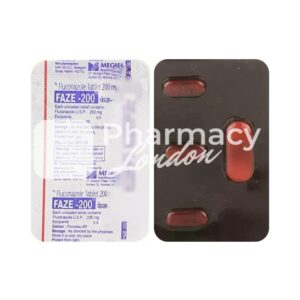
Fluconazole
from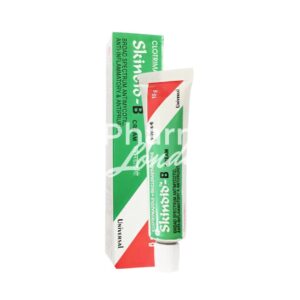
Lotriderm
from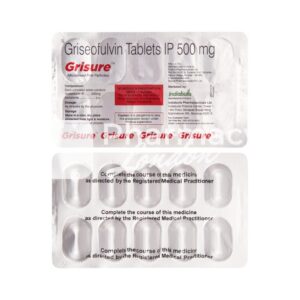
Griseofulvin
fromUnderstanding Fungal Infections
Fungal infections affect millions of people across the United Kingdom each year. These infections occur when harmful fungi invade the skin, nails, hair, or internal organs. Common types include athlete’s foot, candida, ringworm, and thrush. Fungal infections thrive in warm, moist environments and can spread through direct contact or contaminated surfaces. Whilst most fungal infections are not life-threatening, they cause significant discomfort and require proper treatment. Some individuals are more susceptible due to weakened immunity, diabetes, or prolonged antibiotic use. Understanding the nature of these infections helps in choosing appropriate antifungal treatments and preventing recurrence.
Common Types of Fungal Infections
Athlete’s foot, medically known as tinea pedis, is one of the most widespread fungal infections in the UK. It causes itching, burning, and cracked skin between the toes. Oral thrush affects the mouth and throat, appearing as white patches. Vaginal candida infections are extremely common in women and cause itching and discharge. Ringworm, despite its name, is a fungal infection that creates circular, red patches on skin. Nail fungus, or onychomycosis, causes discolouration and thickening of toenails and fingernails. Scalp ringworm primarily affects children and causes hair loss in circular patches.
Risk Factors and Prevention
Certain conditions increase susceptibility to fungal infections. Poor hygiene, particularly in damp areas, creates ideal breeding grounds for fungi. People with diabetes face higher risks due to elevated blood sugar levels. Immunocompromised individuals, including those with HIV or undergoing chemotherapy, are particularly vulnerable. Athletes and individuals in close contact environments have increased exposure risks.
Prevention involves keeping skin dry, wearing breathable clothing, and maintaining good personal hygiene. Consider these practical preventative measures:
- Keep skin dry, especially in folds and between toes
- Wear breathable, moisture-wicking clothing
- Avoid walking barefoot in communal areas such as swimming pools and changing rooms
- Change socks and undergarments regularly, particularly after sweating
- Maintain regular nail care and keep nails trimmed short
- Use separate towels and personal items to prevent cross-contamination
Topical Antifungal Treatments
Topical antifungals are the first-line treatment for most skin and nail fungal infections in the United Kingdom. These medications come in various forms including creams, ointments, gels, solutions, and sprays. They work by directly targeting fungal cells on the affected area. Topical treatments are generally safe with minimal side effects, making them suitable for most patients. Application is straightforward, and results typically appear within two to four weeks of consistent use.
Available Products in the UK Market
Clotrimazole cream is widely available without prescription and treats various fungal infections effectively. Miconazole is another popular over-the-counter option found in most UK pharmacies. Terbinafine cream provides rapid relief for athlete’s foot and other dermatophyte infections. Canesten, containing clotrimazole, remains one of the most trusted brands for vaginal thrush and skin infections. Lamisil AT, featuring terbinafine, offers once-daily application convenience. Hydrocortisone combined with antifungals helps reduce inflammation alongside treating infection. Ketoconazole shampoo treats scalp fungal infections and seborrheic dermatitis effectively.
Application Guidelines
Proper application maximises treatment effectiveness. Clean and dry the affected area thoroughly before applying medication. Use only the recommended amount—usually a thin layer covering the entire affected region. Apply once or twice daily depending on product instructions. Continue treatment for the full recommended duration, even if symptoms disappear. Wash hands after application unless treating hands. Avoid covering treated areas with occlusive dressings unless specifically instructed. Results typically become visible within one to two weeks of consistent application.
Oral Antifungal Medications
Oral antifungals treat more severe or systemic fungal infections that topical treatments cannot adequately address. These medications circulate through the bloodstream, reaching affected areas throughout the body. They are particularly effective for nail fungus, oral thrush, and recurrent vaginal candida infections. Oral antifungals require medical supervision and prescription from a healthcare professional in the UK. Treatment duration varies from several days to several months depending on infection severity and medication type.
Prescription Medications Available in the UK
Fluconazole is the most commonly prescribed oral antifungal in British healthcare settings. It treats candida infections, including thrush and vaginal yeast infections, effectively. Terbinafine tablets are prescribed for fungal nail infections and provide cure rates exceeding eighty percent. Itraconazole works well for resistant fungal infections and onychomycosis. Griseofulvin, though older, remains effective for certain dermatophyte infections. Posaconazole is reserved for serious fungal infections in immunocompromised patients. These medications are available through NHS prescriptions or private purchase from UK pharmacies with valid prescriptions.
Dosage and Treatment Duration
Treatment regimens vary significantly based on infection type and severity. Fluconazole for vaginal thrush typically requires a single 150mg dose, with repeat doses after three days if needed. Oral thrush treatment usually involves 50mg daily for seven to fourteen days. Nail fungus treatment with terbinafine typically spans twelve weeks at 250mg daily. Some conditions require pulsed therapy, alternating weeks of medication with weeks off. Regular monitoring by healthcare professionals ensures treatment efficacy and detects any adverse reactions early.
Combination Treatments and Specialised Options
Combination antifungal therapies offer enhanced effectiveness against stubborn or recurrent infections. These treatments pair different antifungal agents with complementary mechanisms of action. Some combinations include corticosteroids to reduce inflammation whilst treating fungal infection. Specialised formulations target specific infection sites more effectively than standard treatments. UK pharmacies stock various combination products suitable for different fungal infection types.
Combination Products Available
Hydrocortisone-miconazole combinations reduce inflammation whilst eliminating fungus in skin infections. Antifungal creams combined with antibiotics treat secondary bacterial infections occurring alongside fungal infections. Nail lacquers containing amorolfine penetrate through nail plates more effectively than standard topical treatments. Some products combine multiple antifungal agents targeting different fungal species simultaneously. Tea tree oil products, though natural, offer supplementary antifungal benefits alongside conventional treatments. These products are available in UK pharmacies and often do not require prescriptions.
When to Use Specialised Options
Combination treatments become necessary when standard antifungals prove ineffective. Severe inflammation accompanying fungal infection benefits from corticosteroid-containing products. Recurrent infections resistant to single-agent therapy often respond to combination approaches. Patients with sensitive skin may prefer gentler combination formulations. Healthcare professionals guide patients towards appropriate specialised options based on individual circumstances and infection characteristics.
Over-the-Counter Versus Prescription Antifungals
The UK pharmaceutical system allows many antifungal medications to be purchased without prescriptions, whilst others require doctor approval. Over-the-counter options treat mild to moderate fungal infections effectively. Prescription-only medications address more serious infections or patient-specific concerns. Understanding this distinction helps patients access appropriate treatment promptly.
Over-the-Counter Options
Most topical antifungals, including clotrimazole and terbinafine creams, are available without prescription across UK pharmacies. These products typically cost between £3 and £15. Canesten products for thrush and athlete’s foot remain popular pharmacy staples. Natural antifungal products with tea tree oil are freely available. Fluconazole for vaginal thrush is available without prescription through pharmacy consultation schemes. These accessible options enable rapid treatment initiation for common fungal infections without requiring GP appointments.
Prescription Requirements
Systemic fungal infections require prescription medications from GPs or specialists. Nail fungus treatment with oral antifungals necessitates prescription due to potential liver effects requiring monitoring. Recurrent thrush in women warrants prescription review to exclude underlying conditions. Immunocompromised patients require specialist-prescribed antifungals tailored to their conditions. NHS prescriptions make these medications affordable whilst ensuring appropriate medical oversight. Private prescriptions are available for those preferring immediate access without NHS waiting times.
Managing Side Effects and Treatment Considerations
Most antifungal medications are well-tolerated, though some individuals experience mild side effects. Understanding potential reactions helps patients manage treatment effectively. Allergic responses, though rare, require immediate medical attention. Certain antifungals interact with other medications, necessitating healthcare professional consultation.
Common Side Effects
Topical antifungals rarely cause systemic side effects, though localised skin irritation occasionally occurs. Redness, burning sensation, or mild itching at application sites typically resolve quickly. Oral antifungals may cause nausea, headache, or mild gastrointestinal upset in some patients. Fluconazole occasionally causes headache or abdominal discomfort lasting several hours. Terbinafine might affect taste or cause skin rashes in sensitive individuals. Most side effects are temporary and resolve as treatment continues. Discontinuing medication and consulting healthcare providers is advisable for severe reactions.
Drug Interactions and Precautions
Oral antifungals interact with numerous medications, particularly those metabolised through liver pathways. Fluconazole affects warfarin levels, requiring INR monitoring for patients taking anticoagulants. Terbinafine may interact with beta-blockers and certain antidepressants. Pregnant women require careful antifungal selection, particularly avoiding certain oral medications. Patients with liver disease need dose adjustments or alternative medications. Always inform healthcare professionals about current medications, supplements, and medical conditions before starting antifungal treatment. Pharmacy teams provide invaluable guidance regarding potential interactions and safe medication combinations.