
Eye Care
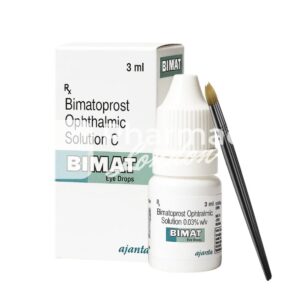
Bimat + Applicators
from
Bimatoprost
from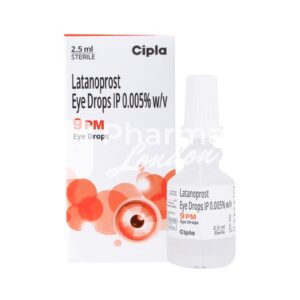
Xalatan
fromUnderstanding Common Eye Conditions
Eye problems affect millions of people across the UK, ranging from minor irritations to more serious conditions that require professional treatment. Common eye conditions include dry eye syndrome, which occurs when your eyes don’t produce enough tears or the tears evaporate too quickly. This can cause discomfort, redness, and blurred vision. Myopia (short-sightedness) and hyperopia (long-sightedness) are refractive errors that affect how light focuses on the retina. Astigmatism causes blurred vision at all distances due to an irregularly shaped cornea. Age-related macular degeneration and cataracts become more prevalent as we grow older, potentially affecting central vision and lens clarity respectively. Understanding these conditions helps you identify when to seek professional advice and what treatments might be appropriate for your eye health.
Over-the-Counter Eye Drops and Lubricants
Eye drops are among the most commonly used eye care products available in UK pharmacies. Artificial tear solutions like Systane Ultra and Blink Intensive Tears provide temporary relief from dry eyes by lubricating the ocular surface. These products work by mimicking natural tears and can be used multiple times daily. Hylo Tear and Refresh Optive are other popular brands offering different formulations suited to various dry eye severities. For allergy-related eye irritation, antihistamine drops such as those containing sodium cromoglycate help reduce itching and redness caused by pollen, dust, or pet dander. Decongestant eye drops like Optrex Actimist provide relief from red, tired eyes, though these should not be used for prolonged periods. Lubricating ointments such as Lacri-Lube offer longer-lasting moisture, making them ideal for nighttime use or severe dryness. When selecting eye drops, it’s important to choose products appropriate for your specific eye condition and follow the recommended dosage instructions.
Popular Eye Drop Brands and Uses
- Artificial tears for general dryness and comfort
- Antihistamine drops for allergy-related symptoms
- Decongestant drops for red and tired eyes
- Lubricating ointments for intensive overnight care
- Specialist formulations for sensitive eyes
Contact Lens Care Solutions
Millions of UK residents wear contact lenses, making proper lens care essential for eye health and comfort. Contact lens solutions serve multiple purposes, including cleaning, disinfecting, and storing lenses safely. Multipurpose solutions like Renu MultiPlus and Opti-Free Express are convenient all-in-one products that eliminate the need for separate cleaning and storage solutions. These solutions contain surfactants that remove protein and lipid deposits from lens surfaces. Hydrogen peroxide-based systems such as Aosept Plus offer a chemical-free disinfection method that’s particularly suitable for sensitive eyes, though they require a neutralisation step before lens insertion. Daily disposable lenses minimise the need for extensive cleaning but still require proper handling during insertion and removal. Lens cases should be replaced every three months to prevent bacterial contamination, and solutions should never be reused in cases. Enzymatic cleaners help remove stubborn deposits that standard solutions might miss, particularly beneficial for extended wear lenses. Proper contact lens hygiene prevents serious infections like keratitis and corneal ulcers that could compromise your vision permanently.
Vitamin and Nutritional Supplements for Eye Health
Maintaining optimal eye health involves ensuring adequate intake of specific vitamins and nutrients that support vision function. Lutein and zeaxanthin are carotenoid pigments found in foods like leafy greens and are available in supplement form to support macular health and reduce age-related vision decline. Bilberry extract contains anthocyanins that may improve night vision and reduce eye strain, making it popular amongst those spending extended periods at screens. Omega-3 fatty acids, available through fish oil supplements or standalone products, support tear film stability and may help dry eye symptoms.
Key Nutrients for Vision Support
- Lutein and zeaxanthin for macular health and age-related degeneration prevention
- Bilberry extract for night vision enhancement and screen strain reduction
- Omega-3 fatty acids for tear film stability
- Vitamin C for antioxidant protection against oxidative stress
- Vitamin E for synergistic free radical defence
- Zinc for retinal health and macular degeneration risk reduction
Vitamin C acts as an antioxidant, protecting eyes from oxidative stress and potentially reducing cataract risk. Vitamin E works synergistically with vitamin C to protect eye tissues from free radical damage. Zinc is crucial for maintaining the health of the retina and reducing the risk of age-related macular degeneration. Products like MacuHealth and PreserVision combine multiple beneficial ingredients into convenient daily supplements. These nutritional supports complement a balanced diet rich in colourful vegetables and fish but should be considered as part of a comprehensive eye health strategy rather than replacements for professional eye care.
Screen Protection and Computer Eye Strain Relief
Modern lifestyles increasingly involve extended screen time, leading to digital eye strain affecting productivity and comfort. Computer Vision Syndrome manifests as eye fatigue, dry eyes, headaches, and blurred vision resulting from prolonged screen exposure. Blue light filtering glasses reduce strain by minimising exposure to high-energy visible light emitted by digital devices. These specialised lenses can be incorporated into prescription spectacles or worn as non-prescription computer glasses. Screen protector films and privacy filters can also reduce glare and blue light emission from monitors and tablets. Specialised computer eye drops provide rapid relief when digital eye strain causes dryness and irritation. The 20-20-20 rule recommends looking at something 20 feet away for 20 seconds every 20 minutes to reduce accommodation fatigue. Anti-glare screen sprays and monitor positioning adjustments further contribute to reducing eye strain. Regular eye examinations help detect any underlying vision problems that might be exacerbated by screen use. Implementing these preventative measures and products helps maintain visual comfort and productivity throughout working hours.
Specialised Eye Care Products and Prevention
Beyond basic eye drops and supplements, various specialised products address specific eye care needs and prevention strategies. Eyelid cleansing wipes containing hypochlorous acid help maintain eyelid hygiene and may reduce symptoms associated with blepharitis and meibomian gland dysfunction. Products like Blephaclean support the natural tear film by promoting healthy eyelid margins. Makeup remover solutions designed specifically for eye area use prevent product accumulation that could irritate sensitive ocular tissues. UV-protective sunglasses are essential for preventing photokeratitis and reducing long-term UV damage that contributes to cataracts and other degenerative conditions. Protective eyewear for specific activities, from swimming goggles to safety glasses for home maintenance, prevents traumatic eye injuries.
Comprehensive Eye Care Strategy
- Regular comprehensive eye examinations for early detection of conditions
- Eyelid hygiene maintenance with specialised cleansing products
- UV-protective sunglasses for outdoor protection
- Activity-specific protective eyewear for injury prevention
- Professional optometric or ophthalmological guidance for individual needs
Regular comprehensive eye examinations, typically recommended annually or bi-annually, enable early detection of conditions like glaucoma and diabetic retinopathy before symptoms develop. Professional advice from optometrists or ophthalmologists ensures you’re using appropriate products for your individual eye health status. Combining preventative measures, suitable over-the-counter products, and professional eye care creates a comprehensive approach to maintaining healthy vision throughout your life.