
Motion Sickness
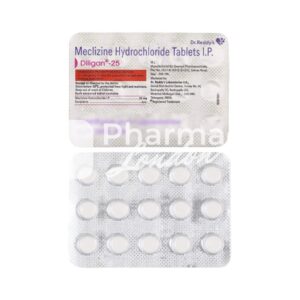
Understanding Motion Sickness
Motion sickness is a common condition that occurs when there’s a conflict between the motion your eyes see and the motion your inner ear (which controls balance) senses. This disconnect can cause feelings of nausea, dizziness, and general discomfort. The condition typically develops when travelling by car, boat, aeroplane, or train, though some people experience it on fairground rides or even when using virtual reality equipment.
The symptoms usually include nausea, dizziness, sweating, and headache. Some people may experience vomiting if the condition worsens. Motion sickness is more common in children aged 2 to 12 years old, though it can affect people of any age. Certain factors increase your risk, including pregnancy, migraines, and anxiety. Understanding what causes motion sickness is the first step towards managing it effectively and enjoying your journeys comfortably.
Prevention Strategies and Lifestyle Tips
Before turning to medication, there are several practical steps you can take to prevent or reduce motion sickness symptoms. Focus on the horizon or a fixed point rather than watching objects pass by quickly. Sit in the middle of a vehicle rather than near windows, as this reduces the sensation of movement. Ensure adequate ventilation and avoid strong odours, as these can trigger or worsen symptoms.
Eating light meals before travelling and staying hydrated is beneficial. Ginger supplements or ginger tea consumed before your journey may help reduce nausea naturally. Distraction techniques such as listening to music, audiobooks, or engaging in conversation can also be helpful. For sea travel, staying on deck and focusing on the horizon is often recommended. Avoid reading or using screens whilst travelling, as this increases the visual-vestibular conflict. Regular exercise and maintaining good posture can improve your balance system’s tolerance to motion.
Over-the-Counter Medications Available in the UK
The UK pharmacy market offers several effective over-the-counter medications for motion sickness relief. These accessible treatments can be purchased without prescription and provide relief for most travellers:
- Dramamine (dimenhydrinate) – one of the most popular antihistamine options, available in tablet form and typically taken 30 minutes before travel
- Avomine (promethazine) – another antihistamine available without prescription that works similarly and is often recommended for both motion sickness and general nausea
- Travel Tablets containing cinnarizine – specifically formulated for motion sickness prevention and should be taken one to two hours before travel
- Stugeron Forte – another cinnarizine option that many travellers in the UK rely on for long journeys
- Sea-Legs – a natural alternative containing ginger and other herbal ingredients, appealing to those preferring a non-pharmaceutical approach
- Kwells containing hyoscine hydrobromide – available without prescription and works quickly, making it suitable for last-minute preparation
All these medications vary in onset time and duration, so selecting the right one depends on your journey length and personal preferences. Consulting with your pharmacist can help you identify which option is most suitable for your circumstances.
Prescription Options and When to Seek Medical Advice
For severe motion sickness that doesn’t respond to over-the-counter treatments, your GP can prescribe stronger medications. Hyoscine butylbromide is available on prescription and offers extended protection for longer journeys. Your doctor might recommend Metoclopramide, which works by blocking signals to the brain that trigger nausea and vomiting. Prochlorperazine is another prescription option, particularly useful for those who’ve experienced motion sickness-related vomiting.
Scopolamine patches, available on prescription, provide continuous medication release through the skin for up to three days, making them ideal for extended travel. Consult your GP if you experience severe symptoms, if standard treatments are ineffective, or if you have underlying health conditions that complicate motion sickness management. Your pharmacist can also provide valuable advice about which medication suits your specific situation, potential interactions with other medicines you’re taking, and proper usage instructions. Don’t hesitate to discuss your concerns with healthcare professionals, as they can offer personalised recommendations.
Natural Remedies and Complementary Approaches
Many people prefer exploring natural alternatives before turning to pharmaceutical options. Ginger is scientifically recognised for its anti-nausea properties and can be consumed as supplements, tea, or crystallised sweets before travel. Peppermint has similar benefits and aromatherapy with peppermint oil may provide relief. Acupressure bands worn on the wrist stimulate specific pressure points and have shown effectiveness in some studies for motion sickness prevention.
Vitamin B6 (pyridoxamine) supplements taken regularly may help reduce motion sickness susceptibility over time. Lavender aromatherapy promotes relaxation and can reduce anxiety-related nausea. Some people find success with homeopathic remedies specifically formulated for motion sickness. Breathing exercises and mindfulness meditation can help manage anxiety that exacerbates symptoms. Eating foods rich in iron and B vitamins supports overall vestibular function. These natural approaches work best when combined with practical prevention strategies and are most effective for mild to moderate motion sickness.
Choosing the Right Solution for Your Journey
Selecting appropriate motion sickness management depends on several factors including journey type, duration, your age, and previous experiences with treatments. For short car journeys, simple lifestyle adjustments might suffice. For flights or long ferry journeys, over-the-counter antihistamines are typically sufficient. If you’re prone to severe symptoms or travelling extensively, prescription options offer better protection.
Consider timing carefully when taking medication, as most require administration 30 minutes to two hours before travel for optimal effectiveness. Always read product information leaflets carefully and note any side effects or contraindications. If you’re taking other medications, consult your pharmacist about potential interactions. Children require age-appropriate formulations available in smaller doses. Pregnant women should seek medical advice before using any motion sickness medication. Keeping a travel diary noting which treatments worked best helps personalise your approach for future journeys. Remember that what works for one person may differ for another, so you might need to try different solutions to find your ideal match.