Muscle Relaxant
What Are Muscle Relaxants and How Do They Work?
Muscle relaxants are medications specifically designed to reduce muscle tension and alleviate discomfort caused by muscle stiffness and spasms. These pharmaceuticals work by affecting the central nervous system or directly targeting muscle fibres to provide relief from various musculoskeletal conditions. When muscles become overly tense or go into involuntary spasms, muscle relaxants help to calm the affected area and restore normal function.
There are two primary categories of muscle relaxants available on the UK market. Antispasticity agents work by reducing the excitability of motor neurons, whilst antispasm medications target the central nervous system to decrease muscle tension. Both types are beneficial for different conditions and work through slightly different mechanisms within the body. Understanding which type suits your condition is essential for effective treatment and symptom management.
The effects of muscle relaxants typically begin within 30 minutes to an hour of taking the medication, though this can vary depending on the specific drug and individual factors. Most muscle relaxants are prescription-only medications in the United Kingdom, meaning they must be prescribed by a qualified healthcare professional after proper assessment of your condition.
Common Conditions Treated with Muscle Relaxants
Muscle relaxants are prescribed for various musculoskeletal conditions that cause pain, stiffness, and reduced mobility. Back pain, particularly acute lower back pain resulting from injury or strain, is one of the most common reasons for muscle relaxant prescription in the UK. These medications can provide significant relief when combined with physiotherapy and other treatments.
Neck pain and cervical strain are also frequently treated with muscle relaxants, especially following whiplash injuries or prolonged poor posture. Many patients find relief within a few days of starting treatment, allowing them to participate more fully in rehabilitation exercises.
Muscle spasticity associated with neurological conditions such as multiple sclerosis, cerebral palsy, and spinal cord injuries requires specific muscle relaxants designed for long-term management. These conditions benefit from medications that reduce involuntary muscle contractions and improve mobility and comfort for patients.
Additional conditions commonly treated with muscle relaxants include:
- Fibromyalgia, a chronic condition characterised by widespread muscle pain and fatigue
- Tension headaches caused by muscle tightness in the neck and shoulders
- Sports injuries and strains that result in muscle spasms
- Post-surgical pain and stiffness during the recovery period
Popular Muscle Relaxant Medications Available in the United Kingdom
Diazepam
Diazepam remains one of the most widely prescribed muscle relaxants in the UK, particularly for acute muscle spasms and anxiety-related tension. This benzodiazepine is typically prescribed for short-term use due to the potential for dependence with prolonged use. It works quickly and effectively, making it popular for acute injury management.
Baclofen
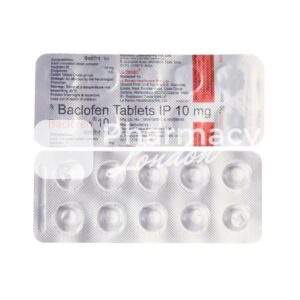
Baclofen is another commonly prescribed option, particularly favoured for treating spasticity in conditions like multiple sclerosis and cerebral palsy. This medication works differently from benzodiazepines and can be used for longer periods with appropriate medical supervision. It’s available in tablet form and also as an injectable option for severe cases.
Tizanidine
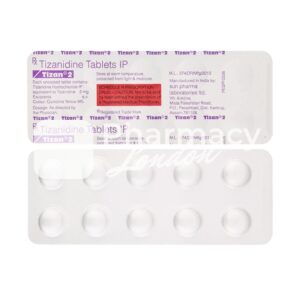
Tizanidine is increasingly prescribed in the UK for acute muscle spasms and chronic spasticity. This medication is particularly valued for its relatively short duration of action and lower risk of dependence compared to some alternatives. Many patients tolerate it well with appropriate dosing.
Other Options
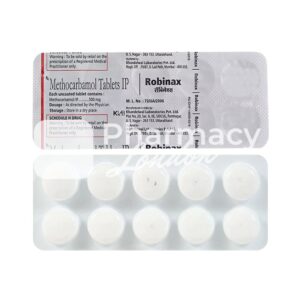
Methocarbamol is available in the United Kingdom and provides effective relief for acute musculoskeletal pain and muscle spasms. It’s often chosen for patients who cannot tolerate other muscle relaxants due to side effects or contraindications. Chlorzoxazone offers another option for acute muscle spasm relief and is sometimes recommended when other medications haven’t proven effective or suitable. Dantrolene sodium is reserved for more severe cases of spasticity, particularly in conditions like malignant hyperthermia and severe cerebral palsy, working directly on muscle fibres rather than the central nervous system.
How to Use Muscle Relaxants Safely and Effectively
Taking muscle relaxants as prescribed by your healthcare provider is crucial for achieving maximum benefit whilst minimising risks. Always take the exact dose recommended by your doctor or pharmacist, and do not exceed the prescribed amount without medical guidance. Most muscle relaxants should be taken with food or water to reduce potential stomach upset.
Consistency is important when taking muscle relaxants, particularly for chronic conditions requiring ongoing management. Set reminders if necessary to take your medication at the same time each day. If you miss a dose, take it as soon as you remember unless it’s almost time for your next scheduled dose.
Store your muscle relaxants in a cool, dry place away from direct sunlight and moisture. Keep medications out of reach of children and pets. Never share your medication with others, as individual conditions and needs vary significantly.
Inform your healthcare provider of all other medications you’re taking, including over-the-counter drugs and supplements, as interactions may occur. Muscle relaxants can interact with alcohol, antihistamines, and other central nervous system depressants, potentially causing excessive drowsiness or dizziness. Regular appointments with your GP are essential to monitor your progress and adjust treatment as needed.
Potential Side Effects and Precautions
Like all medications, muscle relaxants can cause side effects in some individuals. Drowsiness and dizziness are among the most common experiences, particularly when first starting treatment. Avoid operating machinery or driving until you understand how the medication affects you personally.
Some people experience headaches, nausea, or dry mouth when taking muscle relaxants. These side effects often diminish as your body adjusts to the medication. Drinking plenty of water and eating regular meals can help manage some of these symptoms. Muscle weakness is sometimes reported, which is generally expected given the medication’s action on muscles. However, if weakness becomes severe or interferes with daily activities, contact your healthcare provider immediately.
Certain individuals should avoid specific muscle relaxants or use them with caution. Pregnant women should discuss muscle relaxant use with their healthcare provider, as some medications may affect fetal development. Patients with liver or kidney disease often require dose adjustments or alternative medications. Allergic reactions, whilst rare, can occur. Seek immediate medical attention if you experience rash, swelling of the face or throat, or difficulty breathing. Dependence and withdrawal symptoms are possible with prolonged use of certain muscle relaxants, particularly benzodiazepines, so following your doctor’s recommendations regarding treatment duration is vital.
Complementary Approaches and Long-Term Management
Muscle relaxants work most effectively when combined with other treatment approaches. Physiotherapy and exercise programmes tailored to your specific condition significantly enhance recovery and prevent future problems. Regular stretching and strengthening exercises maintain muscle health and flexibility.
Heat and cold therapy can complement muscle relaxant medication effectively. Applying heat to tight muscles before stretching helps improve flexibility, whilst cold therapy reduces inflammation in acute injuries. Many patients benefit from alternating these approaches throughout their recovery.
Lifestyle modifications including improved posture, ergonomic workplace adjustments, and stress reduction techniques support long-term muscle health. Regular physical activity maintains muscle strength and flexibility, though high-impact activities should be avoided during acute injury recovery. Manual therapies such as massage and osteopathy provide additional relief for many patients when used alongside muscle relaxants.
Psychological support and relaxation techniques including meditation and mindfulness can help manage muscle tension related to stress and anxiety. Long-term management of chronic musculoskeletal conditions often involves periodic reassessment with your healthcare provider to ensure your treatment plan remains optimal. Working closely with your healthcare team ensures you receive comprehensive, effective care tailored to your individual needs and circumstances.