
Sotalol
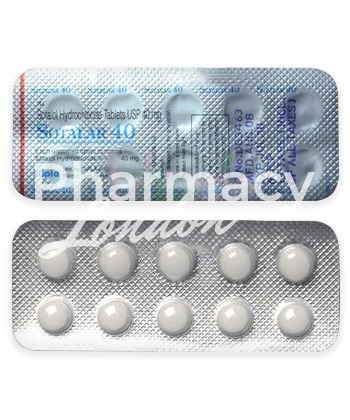
In stock
40mg
from 20,03 £
In brief
- Sotalol hydrochloride is a POM heart rhythm medicine for selected ventricular arrhythmias and for preventing recurrent supraventricular arrhythmias.
- Each tablet contains 40 mg, with pack quantities ranging from 20 to 360 tablets (20, 30, 60, 90, 120, 180, 360), all of them an imported product.
- The dose is tailored to the ECG and kidney function, and the medicine is never stopped suddenly without medical advice.
An overview of Sotalol tablets
Sotalol is an antiarrhythmic medicine that belongs to two groups at once. As a beta-blocker, it shields the heart from adrenaline, slowing the pulse and the conduction of impulses through the AV node. As a class III agent, it lengthens the period during which heart muscle cells recover after each beat, making it more difficult for an irregular rhythm to keep going. The UK SmPC lists two broad uses. The first is ventricular arrhythmias – life-threatening ventricular tachyarrhythmias and symptomatic non-sustained episodes. The second is supraventricular arrhythmias, where sotalol is given to prevent attacks of paroxysmal atrial fibrillation, atrial tachycardia or re-entrant tachycardia (including after heart surgery) and to keep sinus rhythm after cardioversion of atrial fibrillation or flutter.
Tablet strength, packs and UK supply
The product on this page is sotalol hydrochloride 40 mg, in packs of 20, 30, 60, 90, 120, 180 or 360 tablets. Stock for this listing comes from abroad as an imported product. In the UK sotalol is a prescription-only medicine (POM), supplied mainly as generic tablets. Because the usual daily amounts are multiples of 40 mg, this strength can be combined to reach the starting dose and the common maintenance doses, or used on its own where a reduced dose is needed.
How a course of Sotalol usually begins
Sotalol is started in a facility able to monitor and assess the heart rhythm, and the same applies whenever the dose is increased. Before that, the team records an ECG with the corrected QT interval, checks kidney function and potassium and magnesium levels, and goes through any other medicines being taken. The first dose is usually 80 mg daily, given once or divided into two. Increases are made gradually, at two- to three-day intervals. Many patients settle on 160–320 mg per day, divided into two doses about twelve hours apart, while 480–640 mg daily is reserved for a small number with life-threatening ventricular arrhythmias, under specialist care. Food lowers absorption by around 20%.
Lower doses for weaker kidneys
Almost all of the medicine leaves the body unchanged in the urine, so impaired kidney function causes it to accumulate. The SmPC advises half the normal dose at a creatinine clearance of 30–60 ml/min and a quarter of the normal dose at 10–30 ml/min. Below 10 ml/min it should not be used. Older adults are not dosed differently because of age itself, but their kidney function is often lower and is taken into account. No change is required in liver disease.
Important precautions
Sotalol is unsuitable for people with asthma or chronic obstructive airway disease, a slow or blocked conduction system (sick sinus syndrome, second- or third-degree AV block without a pacemaker, symptomatic bradycardia), a long QT interval or previous torsade de pointes, uncontrolled heart failure, shock, low blood pressure, severe circulation problems in the hands and feet, untreated phaeochromocytoma, metabolic acidosis or very poor kidney function. Diarrhoea and vomiting can lower potassium and magnesium and should be reported. It may hide a fast heartbeat caused by low blood sugar in diabetes and the signs of an overactive thyroid. Allergic reactions may be more severe in people on beta-blockers. Psoriasis may rarely worsen, and the anaesthetist should know about the medicine before surgery. Other antiarrhythmics, QT-prolonging medicines, verapamil, diltiazem, digoxin, clonidine and potassium-lowering diuretics all need careful management. In pregnancy sotalol is used only when the benefit outweighs the risk, and breastfeeding is not recommended.
Reported reactions and coming off the medicine
Commonly reported effects include a slow pulse, breathlessness, tiredness and weakness, dizziness, headache, chest pain, palpitations, ankle swelling, fainting, nausea, diarrhoea, indigestion, rash, low mood, anxiety and disturbed sleep. The most serious possibility is a dangerous ventricular rhythm such as torsade de pointes. Sudden withdrawal can lead to angina, arrhythmia or a heart attack, so the dose is usually reduced over one to two weeks. Dizziness and fatigue can affect driving. The decision to use Sotalol, and every change to the dose, belongs to the prescriber.



