
Cardiovascular Diseases
High Blood Pressure (Hypertension)
High blood pressure occurs when the force of blood against artery walls is too high, potentially damaging blood vessels and organs over time. This condition often develops silently without noticeable symptoms, which is why regular monitoring is essential. Left untreated, hypertension can lead to serious complications affecting your heart, brain, and kidneys.
What It’s Used For
Hypertension treatment aims to reduce the risk of heart attack, stroke, and kidney disease. Managing blood pressure effectively helps prevent serious complications and improves overall cardiovascular health. By controlling your blood pressure, you significantly lower your risk of developing life-threatening conditions.
Common Medications Available in the UK
Several medication classes are commonly prescribed for hypertension management:
- ACE inhibitors like lisinopril and ramipril are widely prescribed as first-line treatments
- Calcium channel blockers such as amlodipine and diltiazem help relax blood vessels
- Beta-blockers including bisoprolol and atenolol reduce heart rate and blood pressure
- Diuretics like bendroflumethiazide help reduce fluid in the body
- Thiazide-like diuretics such as chlorthalidone are also commonly used
Many patients benefit from combination therapies that use multiple medications for better control.
Additional Information
Regular blood pressure checks at home or clinic help monitor effectiveness of treatment. Lifestyle modifications including reduced salt intake, regular exercise, and weight management support medication effectiveness. Most hypertension treatments need to be taken long-term for sustained benefit.
Angina and Chest Pain
Angina occurs when the heart doesn’t receive enough oxygen-rich blood, causing chest discomfort or pressure. This condition indicates narrowed coronary arteries and increases risk of heart attack if left untreated. Recognising angina symptoms and seeking appropriate treatment is crucial for preventing serious cardiac events.
What It’s Used For
Angina treatment relieves chest pain symptoms during episodes and prevents future attacks. Medications work by improving blood flow to the heart or reducing the heart’s oxygen demand. Prevention of serious cardiac events is a primary treatment goal.
Common Medications Available in the UK
Various medications help manage angina effectively:
- Nitrates such as glyceryl trinitrate provide rapid relief during angina attacks
- Long-acting nitrates like isosorbide mononitrate prevent episodes when taken regularly
- Beta-blockers reduce heart workload and oxygen demand
- Calcium channel blockers improve blood flow to the heart
- Aspirin reduces blood clotting risk
- Statins lower cholesterol and stabilise arterial plaques
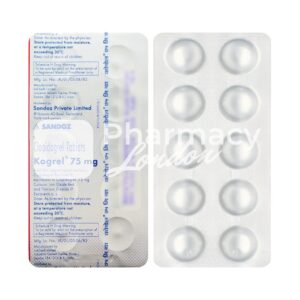
- Newer antiplatelet agents like clopidogrel provide additional protection
Additional Information
Patients should carry fast-acting nitrates at all times for emergency relief. Medical assessment is necessary to distinguish angina from other chest conditions. Cardiac rehabilitation programmes help improve exercise capacity and reduce symptoms over time.
Heart Failure
Heart failure develops when the heart cannot pump blood effectively throughout the body. This chronic condition affects millions and requires ongoing management to maintain quality of life and prevent deterioration. With proper treatment and monitoring, many people with heart failure can live active lives.
What It’s Used For
Heart failure medications help the heart pump more efficiently and reduce strain on the organ. Treatments reduce symptoms like breathlessness and fatigue. Managing heart failure slows disease progression and reduces hospitalisation risk.
Common Medications Available in the UK
Several medication types are essential for heart failure management:
- ACE inhibitors and ARBs (angiotensin receptor blockers) like losartan reduce heart strain
- Beta-blockers such as carvedilol and bisoprolol slow heart rate and improve function
- Diuretics including furosemide reduce fluid accumulation in lungs and tissues
- Aldosterone antagonists like spironolactone protect heart tissue
- SGLT2 inhibitors such as dapagliflozin improve heart function and reduce hospitalisation
- Sacubitril/valsartan combines benefits of multiple drug classes
Additional Information
Regular monitoring of weight and fluid intake helps detect worsening symptoms early. Sodium restriction is crucial as excess salt worsens fluid retention. Echocardiograms periodically assess heart function changes. Different types of heart failure may require different medication approaches.
Arrhythmias (Irregular Heartbeat)
Arrhythmias involve abnormal heart rhythms that can be too fast, too slow, or irregular. Some arrhythmias are harmless, whilst others increase stroke and heart failure risk significantly. Understanding your specific arrhythmia type helps determine the most appropriate treatment approach.
What It’s Used For
Arrhythmia medications restore normal heart rhythm or control heart rate. Treatments reduce symptoms like palpitations, dizziness, and shortness of breath. Prevention of serious complications including stroke is an important treatment objective.
Common Medications Available in the UK
Multiple medication options are available for arrhythmia management:
- Beta-blockers like bisoprolol slow rapid heart rates effectively
- Calcium channel blockers such as verapamil and diltiazem control heart rate and rhythm
- Antiarrhythmic drugs including flecainide and amiodarone restore normal rhythm
- Digoxin slows heart rate in atrial fibrillation
- Anticoagulants like warfarin and direct oral anticoagulants (DOACs) such as apixaban prevent stroke in high-risk patients
- Ivabradine specifically reduces heart rate in certain conditions
Additional Information
Electrocardiograms (ECGs) help identify specific arrhythmia types. Holter monitors record heart rhythm over 24 hours for diagnosis. Ablation procedures may cure certain arrhythmias permanently. Regular monitoring ensures medications remain effective and well-tolerated.
High Cholesterol
High cholesterol increases risk of atherosclerosis, where plaque builds up in arteries, potentially causing heart attack or stroke. Managing cholesterol is crucial for cardiovascular disease prevention. Many people with high cholesterol have no symptoms, making regular screening important.
What It’s Used For
Cholesterol-lowering medications reduce cardiovascular disease risk by decreasing plaque formation. Treatments help prevent heart attacks and strokes in high-risk individuals. Regular cholesterol management supports long-term heart health.
Common Medications Available in the UK
Various cholesterol management options are available:
- Statins including atorvastatin and simvastatin are first-line treatments that significantly reduce cholesterol
- Ezetimibe reduces cholesterol absorption from food
- PCSK9 inhibitors such as evolocumab provide additional benefit for high-risk patients
- Bempedoic acid offers an alternative for statin-intolerant patients
- Fibrates improve triglyceride levels and can be combined with statins
- Bile acid sequestrants bind cholesterol in the intestines
Additional Information
Regular blood tests monitor cholesterol levels and treatment effectiveness. Dietary changes including reduced saturated fat intake enhance medication benefits. Exercise and weight loss significantly improve cholesterol profiles. Different cholesterol types require different management approaches.
Atherosclerosis and Peripheral Vascular Disease
Atherosclerosis involves hardening and narrowing of arteries due to plaque accumulation. Peripheral vascular disease affects blood vessels outside the heart and brain, reducing blood flow to limbs. These conditions significantly increase the risk of serious complications if not properly managed.
What It’s Used For
Medications prevent plaque progression and reduce complications including limb amputation and tissue damage. Treatments improve blood flow and reduce pain during physical activity. Management focuses on preventing serious vascular events.
Common Medications Available in the UK
Treatment options for atherosclerosis and peripheral vascular disease include:
- Antiplatelet agents like aspirin and clopidogrel prevent blood clots
- Statins stabilise plaques and reduce cardiovascular events
- ACE inhibitors protect blood vessels and reduce complications
- Cilostazol improves walking distance by enhancing blood flow
- Naftidrofuryl aids tissue healing and reduces pain
- Beta-blockers reduce cardiac workload and oxygen demand
Additional Information
Vascular imaging such as ultrasound helps assess disease severity. Regular foot care prevents complications in peripheral vascular disease. Supervised exercise programmes improve circulation naturally. Smoking cessation is absolutely critical for disease management and prevention of progression.