
Alcoholism
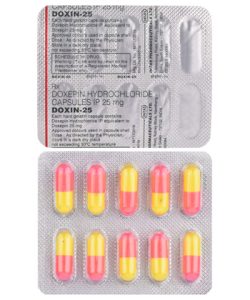
Sinequan
from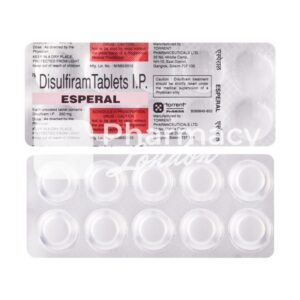
Antabuse
from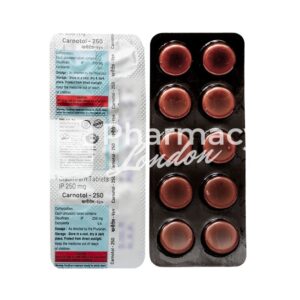
Disulfiram
from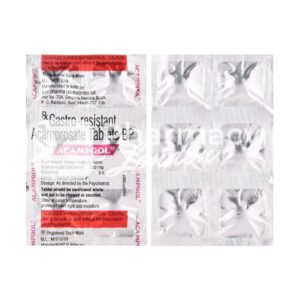
Acamprosate
from
Revia
from
Naltrexone
fromUnderstanding Alcohol Dependence
Alcohol dependence, commonly known as alcoholism, is a chronic condition characterised by an inability to control drinking despite negative consequences. This disorder affects millions of individuals across the United Kingdom and extends beyond simple overindulgence. The condition develops when regular alcohol consumption leads to physical and psychological dependence, where the body requires alcohol to function normally.
The disease involves complex changes in brain chemistry, particularly affecting neurotransmitters responsible for pleasure, stress relief, and impulse control. Individuals with alcoholism experience intense cravings, loss of control over consumption, and continued use despite knowing the harmful effects. The condition can develop gradually, and many people don’t recognise they have a problem until significant damage has occurred to their health, relationships, and professional life.
Risk factors include genetic predisposition, environmental influences, stress, trauma, and mental health conditions such as depression and anxiety. Understanding alcoholism as a medical condition rather than a moral failing is crucial for effective treatment and recovery. Early recognition and intervention significantly improve outcomes and prevent serious complications including liver disease, cardiovascular problems, and cognitive impairment.
Medications Available in the United Kingdom
Several prescription medications are available in the UK to help manage alcohol dependence and support recovery. These medications work through different mechanisms to reduce cravings, prevent relapse, and manage withdrawal symptoms.
Acamprosate (Campral)
Acamprosate is one of the primary treatments prescribed by NHS services. This medication helps maintain abstinence by restoring the balance of neurotransmitters in the brain that have been disrupted by chronic alcohol use. Acamprosate does not cause dependence itself and is generally well tolerated, with minimal side effects.
Naltrexone
Naltrexone blocks opioid receptors in the brain, reducing the rewarding effects of alcohol consumption. This medication helps decrease cravings and is particularly effective for individuals motivated to quit drinking. Naltrexone is available in both oral and injectable formulations, with the injectable version providing sustained release over several weeks.
Disulfiram (Antabuse)
Disulfiram works differently by causing unpleasant reactions when alcohol is consumed, including flushing, nausea, and vomiting. This deterrent effect encourages abstinence and is most suitable for highly motivated patients who have already stopped drinking and wish to reinforce their commitment.
Supporting Medications
Benzodiazepines, such as diazepam, are used primarily during the acute withdrawal phase to manage symptoms including tremors, anxiety, and seizures. These medications should only be used short-term under medical supervision due to their addiction potential. Additionally, thiamine and other vitamins are often prescribed to address nutritional deficiencies common in chronic alcohol users, particularly B-vitamin deficiencies that can lead to serious neurological complications.
Withdrawal Management and Medical Support
Alcohol withdrawal can be a dangerous medical condition requiring professional supervision. When someone stops drinking after prolonged use, their body experiences significant physiological changes as it attempts to rebalance without alcohol’s depressant effects.
Withdrawal symptoms typically begin 6 to 24 hours after the last drink and can range from mild to severe. Common symptoms include tremors, sweating, headaches, nausea, and anxiety. More serious complications include hallucinations, seizures, and delirium tremens—a potentially life-threatening condition characterised by confusion, rapid heart rate, and high fever.
Medical professionals in the UK typically manage withdrawal through a combination of medications and supportive care. The CIWA-Ar assessment scale helps determine the severity of withdrawal and guides appropriate treatment. Benzodiazepines remain the gold standard for managing withdrawal, with dosing adjusted based on symptom severity.
Treatment settings vary based on individual circumstances:
- Inpatient withdrawal management in hospital settings is recommended for individuals with severe dependence, previous complicated withdrawals, concurrent medical conditions, or those unable to be safely monitored at home
- Outpatient withdrawal management is an option for motivated individuals with mild to moderate dependence and good social support
- Community-based services provide structured support whilst allowing individuals to remain in their familiar environment
Nutritional support and supplementation are essential components of withdrawal management, as chronic alcohol use severely depletes essential vitamins and minerals needed for physical and cognitive recovery.
Psychological Interventions and Counselling
Beyond medication, psychological interventions form a cornerstone of alcoholism treatment in the United Kingdom. Cognitive-behavioural therapy (CBT) helps individuals identify triggers, develop coping strategies, and change patterns of thinking that maintain alcohol dependence.
Motivational enhancement therapy focuses on resolving ambivalence about change and strengthening internal motivation to quit drinking. This approach recognises that individuals may have mixed feelings about stopping alcohol use and works to enhance their commitment to change.
Family therapy addresses relationship dynamics and provides support for loved ones affected by the individual’s drinking. Partners and family members often develop unhealthy patterns enabling the addiction, and therapy helps restore healthy relationships and communication.
Group counselling and support groups, such as Alcoholics Anonymous, provide peer support and accountability. These organisations operate throughout the UK and offer evidence-based approaches to recovery based on shared experiences and mutual support. Contingency management involves providing incentives or rewards for abstinence or treatment engagement, which has shown effectiveness in increasing motivation and compliance.
Long-term Recovery and Relapse Prevention
Successful long-term recovery requires sustained commitment and ongoing support beyond initial treatment. Relapse prevention strategies teach individuals to identify high-risk situations and develop specific coping mechanisms to maintain sobriety.
Lifestyle modifications play a crucial role in recovery, including regular exercise, improved nutrition, stress management techniques, and engaging in meaningful activities. These changes address the underlying factors that may have contributed to alcohol dependence and create a healthier foundation for continued sobriety.
Continued medication use, when appropriate, provides ongoing neurochemical support during the recovery period. Many individuals benefit from remaining on acamprosate or naltrexone for extended periods to maintain the brain’s balance and reduce cravings.
Regular follow-up appointments with healthcare providers, either through NHS services or private practitioners, help monitor progress and adjust treatment as needed. These appointments also provide opportunities to address co-occurring mental health conditions such as depression or anxiety that commonly accompany alcohol dependence. Social support networks remain critical throughout recovery, with maintaining connections with supportive friends and family, attending regular counselling or group meetings, and avoiding situations associated with previous drinking significantly improving long-term outcomes.
Resources and Support Services in the UK
The United Kingdom provides extensive resources and support for individuals struggling with alcoholism. The NHS offers free treatment through specialist alcohol services available in most areas, providing comprehensive assessment, detoxification, and ongoing support.
Key resources available include:
- Alcohol Change UK, Balance, and other charitable organisations providing information, support groups, and specialised programmes
- Telephone helplines where individuals can speak confidentially with trained advisors about their concerns and treatment options
- Online resources and apps specifically designed for alcohol dependence, providing self-monitoring tools and strategies for maintaining sobriety
- Private healthcare providers and rehabilitation centres offering intensive residential or outpatient programmes
- General practitioners serving as important first points of contact for assessment and referral to specialist services
Seeking help early significantly improves treatment outcomes and prevents serious complications from developing. Your GP can assess dependence severity, provide brief interventions, prescribe medications, and refer to specialist services when needed.