
Antiviral
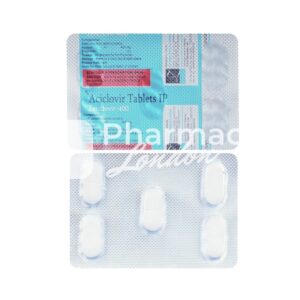
Aciclovir
from
Hydroxychloroquine
from
Ivermectin
from
Plaquenil
fromUnderstanding Antiviral Medications
Antiviral medications are prescription drugs designed to treat infections caused by viruses. These medicines work by slowing down or stopping the reproduction of viral particles within the body, allowing your immune system to fight off the infection more effectively. Unlike antibiotics that target bacteria, antivirals specifically target viral infections and are essential in modern medicine for managing various viral conditions.
Antivirals can be used to treat acute viral infections where symptoms have recently appeared, or they can be taken as preventative treatments for people at high risk of certain viral infections. The effectiveness of antiviral medications often depends on how quickly treatment is started after symptoms develop. Some antivirals also help reduce the severity and duration of symptoms, whilst others prevent complications from developing.
Different types of antivirals target different viruses, so the medication prescribed depends entirely on the specific viral infection being treated. Your GP will determine which antiviral is most appropriate based on your diagnosis, medical history, and current health status.
Antivirals for Cold and Flu
Influenza and common colds are among the most frequent viral infections affecting people in the United Kingdom. Whilst most cases resolve independently, antiviral medications can significantly reduce symptom severity and duration when taken early in the illness.
Common Antiviral Medications Available
Oseltamivir, commonly known by its brand name Tamiflu, is one of the most frequently prescribed antivirals for influenza. This medication must be started within 48 hours of symptom onset to be most effective. Zanamivir, marketed as Relenza, is an inhaled antiviral alternative that also works best when started early during flu infection. Both medications can reduce the duration of flu symptoms by approximately one day and help prevent serious complications, particularly in elderly patients or those with chronic health conditions.
For those who cannot take oral medications, intravenous antivirals like peramivir are available in hospital settings for severe influenza cases. These medications are particularly important for individuals at higher risk of complications, including pregnant women, people over 65 years old, and those with weakened immune systems.
Herpes Simplex and Shingles Treatment
Herpes simplex virus infections, commonly causing cold sores or genital herpes, and shingles (herpes zoster) are painful viral conditions that benefit significantly from antiviral treatment. Starting treatment early in the infection helps reduce pain, accelerate healing, and prevent complications.
Available Antiviral Options
Aciclovir is the most widely used antiviral for herpes infections in the United Kingdom and is available in multiple formulations including tablets, creams, and intravenous injections. For oral herpes or genital herpes, oral aciclovir is typically prescribed for 7-10 days. Valaciclovir, a newer formulation of aciclovir, requires less frequent dosing and provides better absorption rates. Famciclovir is another alternative that offers similar benefits with potentially fewer side effects for some patients.
For shingles specifically, antivirals should be started within 72 hours of rash appearance to be most effective. They help reduce the severity of pain and the risk of post-herpetic neuralgia, a chronic pain condition that can persist long after the shingles rash has healed. Elderly patients and those with weakened immunity particularly benefit from early antiviral treatment for shingles.
Hepatitis B and C Treatment
Viral hepatitis represents a serious health concern affecting many people in the United Kingdom. Antiviral medications for hepatitis have revolutionised treatment outcomes, offering the possibility of cure for hepatitis C and effective long-term management of hepatitis B.
Treatment Options
Hepatitis B antivirals include tenofovir and entecavir, which can significantly reduce viral load and prevent liver damage progression. These medications are typically taken long-term to maintain viral suppression and prevent complications like cirrhosis. Regular monitoring through blood tests ensures the medication remains effective and your liver function is protected.
Hepatitis C treatment has changed dramatically in recent years with the introduction of direct-acting antivirals (DAAs). Medications like sofosbuvir combined with velpatasvir can cure hepatitis C in as little as 8-12 weeks. These modern antivirals have success rates exceeding 95% across all hepatitis C genotypes, making cure a realistic goal for most patients. The NHS now provides access to these highly effective treatments through specialist hepatology services.
HIV and Antiretroviral Therapy
Human immunodeficiency virus (HIV) is a complex infection requiring sophisticated antiviral treatment approaches. Modern antiretroviral therapy (ART) has transformed HIV from a life-threatening diagnosis into a manageable chronic condition for those receiving appropriate treatment.
Modern Antiretroviral Options
Current HIV treatment typically involves combination therapy using multiple antivirals from different drug classes. The following medications work together to suppress viral replication effectively:
- Nucleoside reverse transcriptase inhibitors (NRTIs)
- Non-nucleoside reverse transcriptase inhibitors (NNRTIs)
- Protease inhibitors
- Integrase inhibitors representing newer options with excellent efficacy and fewer side effects
Combination pills like bictegravir/tenofovir alafenamide/emtricitabine provide multiple antivirals in a single tablet, improving treatment adherence. The goal of HIV treatment is to achieve an undetectable viral load, which means the virus is suppressed to levels undetectable by standard tests. People with undetectable HIV cannot transmit the virus sexually, known as “U=U” (undetectable equals untransmittable).
Post-exposure prophylaxis (PEP) and pre-exposure prophylaxis (PrEP) are antiviral strategies using antiretroviral medications to prevent HIV infection after potential exposure or in those at high risk respectively.
Other Viral Infections and Emerging Antivirals
Beyond the common viral infections, antivirals treat numerous other conditions including respiratory syncytial virus (RSV), cytomegalovirus (CMV), and Epstein-Barr virus in immunocompromised patients.
Additional Antivirals
Ribavirin is an antiviral used for severe RSV infections, particularly in hospitalised patients and immunocompromised individuals. Ganciclovir and foscarnet treat CMV infections that can affect immunocompromised patients, including those with advanced HIV disease or following organ transplantation. Valganciclovir, an oral formulation of ganciclovir, offers improved convenience for long-term CMV treatment.
The COVID-19 pandemic has accelerated antiviral development, with medications like remdesivir and Paxlovid (nirmatrelvir/ritonavir) now available for eligible patients with severe COVID-19 or at risk of severe disease. These newer antivirals demonstrate how antiviral research continues evolving to address emerging viral threats. All antiviral medications require proper medical supervision to ensure appropriate dosing and monitoring for side effects. Always consult your healthcare provider before starting any antiviral treatment.