
Diabetes

Novonorm
from
Metformin
from
Glucobay
from
Glucovance
from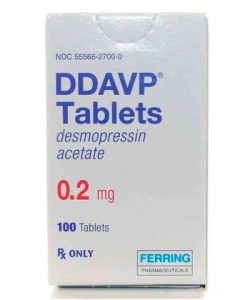
Ddavp
from
Rybelsus
fromUnderstanding Diabetes: Types and Symptoms
Diabetes is a chronic condition that affects how your body processes blood glucose levels. There are three main types: Type 1, Type 2, and gestational diabetes. Type 1 diabetes occurs when your pancreas cannot produce insulin, whilst Type 2 develops when your body cannot use insulin effectively. Gestational diabetes appears during pregnancy and usually resolves after birth.
Common symptoms include excessive thirst, frequent urination, fatigue, blurred vision, and unexplained weight loss. If you experience these signs, consult your GP immediately for proper diagnosis and treatment. Early detection and management are crucial for preventing serious complications and maintaining a healthy lifestyle.
Regular blood tests help monitor your glucose levels and ensure your treatment plan works effectively. Your pharmacist can provide guidance on lifestyle changes alongside medication to help manage your condition better.
Type 1 Diabetes Management
Type 1 diabetes requires insulin therapy since the body cannot produce it naturally. Insulin injections or insulin pumps deliver this essential hormone to regulate blood sugar levels throughout the day.
Common Insulin Medications Available in the United Kingdom
- Rapid-acting insulins such as NovoLog, Humalog, and Apidra work quickly to manage glucose spikes after meals
- Long-acting insulins like Levemir and Lantus provide background coverage throughout the day
- Intermediate insulins such as Humulin I offer moderate duration effects
Insulin pens and vials make administration straightforward and convenient for daily use. Your healthcare team will determine the right insulin type and dosage based on your individual needs and lifestyle patterns.
Blood glucose monitoring remains essential for Type 1 diabetes management. Testing strips, lancets, and glucose meters help you track levels and adjust insulin doses appropriately. Continuous glucose monitors provide real-time readings and alert you to dangerous fluctuations.
Type 2 Diabetes Treatment Options
Type 2 diabetes management often begins with lifestyle modifications, including diet changes, regular exercise, and weight management. However, medication becomes necessary when these changes alone cannot control blood sugar levels effectively.
Oral Medications Commonly Prescribed in the UK
- Metformin is typically the first-line treatment, helping your body use insulin more effectively whilst reducing glucose production in the liver
- Sulfonylureas like gliclazide and glipizide stimulate your pancreas to produce more insulin
- DPP-4 inhibitors such as sitagliptin work by increasing insulin release when glucose levels rise
- GLP-1 receptor agonists including dulaglutide and liraglutide help control blood sugar and promote weight loss
- SGLT2 inhibitors like dapagliflozin help your kidneys remove excess glucose through urine
- Acarbose slows carbohydrate digestion, preventing rapid blood sugar spikes
Your GP or diabetes specialist will recommend medications based on your current glucose levels, kidney function, and overall health. Many people require combination therapy with multiple medications to achieve optimal control. Regular monitoring ensures your treatment plan remains effective and appropriate for your needs.
Diabetes Complications and Prevention
Long-term diabetes can lead to serious health complications if blood sugar remains poorly controlled. Diabetic neuropathy causes nerve damage, typically affecting your feet and legs, resulting in pain, numbness, or tingling sensations. Retinopathy damages blood vessels in your eyes, potentially leading to vision loss or blindness.
Nephropathy affects kidney function and may progress to kidney failure requiring dialysis. Cardiovascular complications including heart attacks and strokes occur at higher rates in people with diabetes. Diabetic ketoacidosis and hyperosmolar hyperglycaemic state represent life-threatening emergencies requiring immediate medical attention.
Prevention Strategies
Prevention strategies focus on maintaining healthy blood sugar levels through consistent medication use, balanced nutrition, and regular physical activity. Managing your weight reduces strain on your system and improves insulin sensitivity. Quitting smoking and limiting alcohol consumption significantly reduce complication risks.
Regular eye examinations, foot checks, and kidney function tests help detect problems early. Blood pressure management and cholesterol control protect your heart and blood vessels. Your pharmacist can discuss preventative medications and lifestyle strategies tailored to your individual circumstances.
Lifestyle and Dietary Management
Successful diabetes management extends far beyond medication. A balanced diet rich in vegetables, whole grains, lean proteins, and healthy fats helps stabilise blood sugar levels throughout the day. Limiting processed foods, sugary drinks, and refined carbohydrates prevents dangerous glucose spikes.
Portion control remains important regardless of food quality. Spreading carbohydrates across meals rather than consuming large amounts at once provides steadier glucose levels. Reading nutrition labels helps you understand carbohydrate content and make informed choices.
Physical Activity and General Wellbeing
Regular physical activity improves your body’s insulin sensitivity and helps maintain healthy weight. Aim for at least 150 minutes of moderate-intensity exercise weekly, including both cardiovascular activity and resistance training. Even daily walks contribute significantly to glucose management.
Stress management through relaxation techniques, meditation, or counselling helps prevent stress-related blood sugar fluctuations. Adequate sleep supports metabolic function and emotional wellbeing. Staying hydrated throughout the day supports kidney function and overall health.
Pharmacy Support and Monitoring Services
Your local pharmacy offers extensive support beyond simply dispensing medications. Pharmacists provide specialist advice on medication side effects, proper injection techniques, and blood glucose monitoring. Annual diabetes reviews through pharmacy services help identify any changes requiring medication adjustments.
Available Pharmacy Services
- Prescription delivery services ensure you never run out of essential medications, maintaining consistent treatment even with a busy schedule
- Medication synchronisation services align refill dates, simplifying your routine
- Pre-filled insulin pens reduce preparation time and injection anxiety
- Blood pressure and cholesterol screening services help monitor cardiovascular health
- Weight management consultations provide personalised guidance and encouragement
- Patient information leaflets explain your medications clearly, addressing common concerns and questions
Referral pathways to specialist services ensure you receive appropriate care for complicated cases. Pharmacists work closely with your GP and diabetes clinics to coordinate treatment and optimise your health outcomes. Ask your pharmacist about NHS services available locally, including diabetes education programmes and support groups that provide practical guidance and emotional support from others managing similar conditions.