
Sleeping Aids

Doxepin
from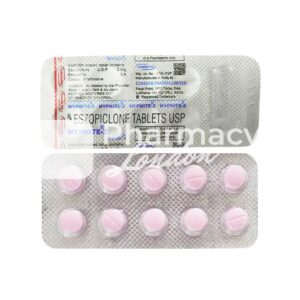
Hypnite
from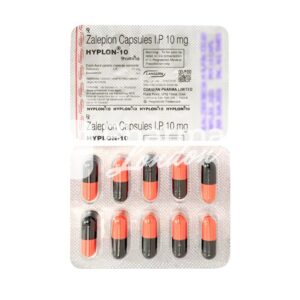
Hyplon
from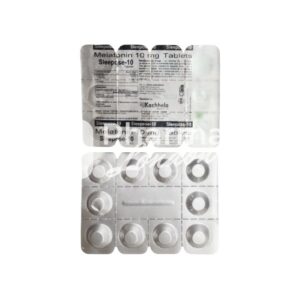
Sleepose
fromUnderstanding Sleep Problems and When to Seek Help
Sleep disorders affect millions of people across the United Kingdom, impacting their daily performance, mood, and overall health. Insomnia, the most common sleep disorder, involves difficulty falling asleep, staying asleep, or waking too early. Other conditions like sleep apnoea, restless leg syndrome, and narcolepsy also require proper management. Occasional sleeplessness can result from stress, lifestyle changes, or medical conditions, whilst chronic insomnia may require professional intervention.
It’s important to recognise when poor sleep is affecting your quality of life and health. If you experience persistent sleep difficulties lasting more than a few weeks, consult your GP or healthcare provider. They can assess your symptoms, identify underlying causes, and recommend appropriate treatments. Sleep problems can lead to fatigue, reduced concentration, weakened immune function, and increased risk of accidents if left unaddressed. Understanding your sleep patterns and what disrupts them is the first step towards improvement.
Over-the-Counter Sleeping Aids Available in the UK
The UK pharmacy market offers several over-the-counter options for those struggling with occasional sleeplessness. Antihistamines are commonly used sleep aids, with products containing diphenhydramine or promethazine available without prescription. Nytol, one of the most popular brands, contains diphenhydramine and is widely available in supermarkets and pharmacies. Sominex and Twilite are other recognised antihistamine-based options.
Herbal remedies have gained popularity, including valerian root, which has been used traditionally for centuries to promote relaxation. Lavender supplements and chamomile-based products are also commonly purchased for their calming properties. Melatonin supplements are available in the UK, helping regulate your body’s natural sleep-wake cycle. These products work best for temporary sleep issues rather than chronic insomnia. Many people find combination products helpful, which may include vitamins, minerals, and herbal ingredients working together.
Always read product labels carefully and follow recommended dosages. Some over-the-counter aids may interact with other medications, so discuss options with your pharmacist.
Prescription Sleeping Medications and How They Work
For more severe or persistent insomnia, your GP may prescribe stronger sleeping medications. Benzodiazepines like diazepam and temazepam were traditionally prescribed but are now recommended only for short-term use due to dependency risks. Newer non-benzodiazepine hypnotics, sometimes called “Z-drugs,” include zopiclone, zaleplon, and zolpidem. These medications work by slowing brain activity to allow sleep and are typically prescribed for short periods, usually two to four weeks.
Melatonin receptor agonists like ramelteon offer another option, working by regulating sleep-wake cycles. Antidepressants such as amitriptyline are sometimes prescribed off-label for insomnia, particularly when depression or anxiety accompanies sleep problems. Your doctor will consider your medical history, other medications, and specific sleep issues when selecting appropriate treatment. Prescription medications work faster than herbal alternatives but may carry side effects including drowsiness the next day, dizziness, or headaches. These stronger options should only be used under medical supervision and for the shortest duration necessary. Regular review with your GP helps ensure the medication remains appropriate for your needs.
Natural and Herbal Sleep Solutions
Many people prefer natural approaches to improve sleep before considering pharmaceutical options. Valerian root has been extensively studied and shows promise for reducing the time needed to fall asleep. This herbal remedy is available as tablets, capsules, and teas throughout UK pharmacies.
Popular natural sleep remedies include:
- Passionflower – a traditional herb believed to calm nervous tension and promote better sleep quality
- Hops – commonly known for brewing beer, also possessing calming properties in herbal sleep supplements
- Magnesium supplements – supporting muscle relaxation and nervous system function
- Calcium and magnesium combinations – working together for enhanced effectiveness
- Lemon balm and melissa – gentle herbs that ease anxiety without causing morning grogginess
Many herbal products combine several ingredients for enhanced effect. Natural remedies typically take longer to work than pharmaceutical options, often requiring two to three weeks of consistent use. They generally cause fewer side effects but may interact with certain medications or health conditions. Consulting your pharmacist or GP before starting herbal supplements ensures safety and effectiveness.
Lifestyle Changes and Non-Medicinal Approaches
Sleeping aids work most effectively when combined with good sleep hygiene practices. Maintaining a consistent sleep schedule, going to bed and waking at the same time daily, helps regulate your body’s internal clock. Creating a dark, cool, quiet sleeping environment supports natural sleep patterns. Most people sleep better in temperatures around 16-19°C with minimal light and noise.
Avoiding screens for at least one hour before bedtime reduces blue light exposure that disrupts melatonin production. Exercise during the day promotes better sleep, though avoid vigorous activity close to bedtime. Limiting caffeine intake, particularly after mid-afternoon, prevents sleep interference. Alcohol may initially make you drowsy but disrupts sleep quality later in the night.
Developing a relaxing bedtime routine, such as reading, gentle stretching, or meditation, prepares your body for sleep. Reducing stress through mindfulness, yoga, or breathing exercises addresses anxiety-related insomnia. Keeping your bedroom reserved primarily for sleep strengthens the mental association between bed and rest. These lifestyle modifications often prove as effective as medication for mild to moderate sleep problems. Combining behavioural approaches with appropriate sleep aids maximises effectiveness.
Choosing the Right Sleep Aid for Your Needs
Selecting an appropriate sleeping aid depends on your specific situation, preferences, and health status. For occasional sleeplessness caused by temporary stress or travel, over-the-counter options usually suffice. Antihistamine-based products work quickly, typically within 30-60 minutes, making them suitable for immediate needs. Herbal remedies require consistent use over several weeks to show maximum benefit.
If you have underlying health conditions, take multiple medications, or experience chronic insomnia, prescription options may be necessary. Your GP can recommend treatments specifically suited to your medical history and circumstances. Those preferring natural products should discuss herbal options with pharmacists to avoid interactions. Tolerance can develop with some medications, requiring dosage adjustment or periodic breaks. Pregnancy and breastfeeding require special consideration, as many sleep aids aren’t suitable. Older adults may need different recommendations due to increased sensitivity to medications.
Regular review ensures your chosen sleep aid remains appropriate and effective. Starting with the mildest effective option follows best practice principles. Combining medication with lifestyle modifications and sleep hygiene practices provides comprehensive sleep improvement. Your local pharmacy team can offer valuable guidance in selecting the most suitable product for your individual circumstances.