
Antiparasitic
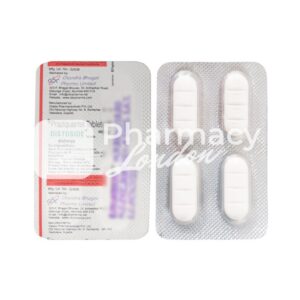
Praziquantel
from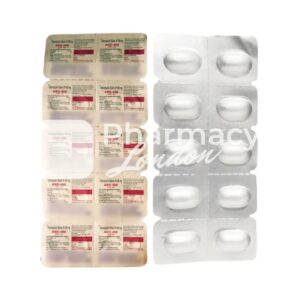
Albendazole
from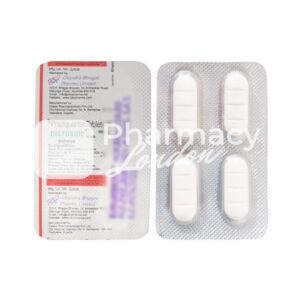
Biltricide
from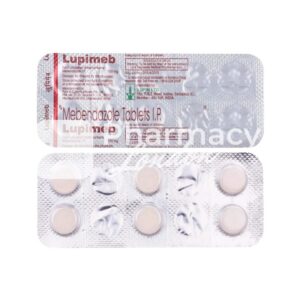
Mebendazole
from
Zentel
from
Rheumatrex
fromUnderstanding Parasitic Infections
Parasitic infections affect millions of people worldwide and can occur in anyone, regardless of age or social status. These infections happen when parasites—tiny organisms that live on or inside your body—enter your system and cause illness. Common parasitic infections include roundworms, tapeworms, hookworms, and threadworms, which can lead to digestive problems, nutritional deficiencies, and general discomfort. Symptoms often include abdominal pain, diarrhoea, weight loss, and fatigue.
Understanding how parasites spread is the first step in prevention and treatment. Many parasitic infections develop through contaminated food or water, poor hygiene practices, or contact with infected individuals. In the United Kingdom, parasitic infections are less common than in tropical climates, but they still occur regularly, particularly in children and travellers returning from abroad. Early detection and appropriate antiparasitic treatment can eliminate these infections effectively and prevent serious complications.
Common Types of Parasitic Infections
Threadworms (Pinworms)
Threadworms are the most common parasitic infection in the UK, especially among children. These small white worms live in the colon and cause intense itching around the anus, particularly at night. Symptoms include restlessness, irritability, and sleep disturbances. Threadworm infections spread easily through contaminated fingers, bedding, and household items. Treatment typically involves antiparasitic medications that kill the worms, followed by thorough cleaning of clothing and bedding.
Roundworms
Roundworms are larger parasites that can grow up to 35 centimetres long. Infection occurs through ingestion of contaminated food or soil containing eggs. Symptoms include abdominal discomfort, malnutrition, and stunted growth in children. Roundworm infections require antiparasitic treatment to eliminate the parasites from the digestive system. Prevention focuses on good hygiene and proper food preparation.
Tapeworms
Tapeworms enter your body through undercooked or raw meat and fish. These parasites can grow extremely long and absorb nutrients meant for your body, causing weight loss and nutritional deficiencies. Symptoms include abdominal pain, nausea, and weakness. Antiparasitic medications are highly effective at breaking down and eliminating tapeworms from the intestines.
Hookworms
Hookworms penetrate the skin and travel to the intestines where they feed on blood. This can cause anaemia, weakness, and protein deficiency. Hookworm infections are less common in the UK but occur in tropical regions. Treatment involves antiparasitic drugs that kill adult worms and allow your body to eliminate them naturally.
Available Antiparasitic Medications in the UK
Mebendazole
Mebendazole is one of the most commonly prescribed antiparasitic medications in the United Kingdom. It effectively treats threadworms, roundworms, whipworms, and hookworms. This medication works by preventing parasites from absorbing glucose, which causes them to die. Mebendazole is available over-the-counter in many UK pharmacies, making it easily accessible for treating common infections. A single dose or short course typically resolves most infections. It’s safe for children over two years and generally well-tolerated with minimal side effects.
Piperazine
Piperazine is another popular choice for treating roundworms and threadworms in the UK. It paralyses the worms, allowing your body to expel them naturally. Piperazine is particularly useful for families wanting a gentler treatment option and is available in liquid form, making it easier for young children to take. Many UK pharmacies stock piperazine as an over-the-counter remedy for common parasitic infections.
Albendazole
Albendazole is a broad-spectrum antiparasitic that treats various worm infections including roundworms, hookworms, and tapeworms. It’s particularly effective for treating multiple parasitic infections simultaneously. Whilst less commonly used than mebendazole in the UK, albendazole is available through prescription and works excellently for more complex or resistant infections.
Niclosamide
Niclosamide is specifically designed for treating tapeworm infections. This medication kills adult tapeworms in the intestines, and the dead worms are then expelled through your bowels. Niclosamide is available on prescription in the UK and is highly effective for tapeworm elimination. It’s important to take this medication exactly as directed to ensure complete removal of the tapeworm.
Ivermectin
Ivermectin is a powerful antiparasitic used for treating certain parasitic infections, particularly those affecting the skin. Whilst primarily used for conditions like scabies and lice, it can also treat specific worm infections. In the UK, ivermectin is typically available on prescription and is reserved for cases where other treatments haven’t been effective.
How Antiparasitic Medications Work
Antiparasitic medications work through various mechanisms to eliminate parasites from your body. Most antiparasitic drugs interfere with the parasite’s nervous system, causing paralysis or death. Mebendazole and related medications prevent parasites from absorbing essential nutrients, starving them. Others work by disrupting the parasite’s ability to move or reproduce, making them vulnerable to your immune system.
The effectiveness of antiparasitic treatment depends on taking the medication exactly as prescribed. Completing the full course is essential, even if symptoms improve, to ensure complete eradication. Some infections require follow-up doses after two weeks to catch any newly hatched parasites. Most antiparasitic medications are safe and well-tolerated, though minor side effects like nausea or diarrhoea may occur. Your pharmacist can advise on the best medication for your specific parasitic infection and any potential interactions with other medicines.
Prevention and Hygiene Practices
Preventing parasitic infections is more effective than treating them. Good hygiene practices form the foundation of prevention. The following measures help reduce your risk of parasitic infection:
- Wash your hands thoroughly before eating and after using the toilet, particularly important for families with young children
- Ensure all food is properly cooked, especially meat, poultry, and fish
- Drink only clean, treated water, especially when travelling abroad
- Keep your living environment clean, washing bedding regularly in hot water if someone in your household has a parasitic infection
- Teach children about personal hygiene and discourage habits like nail-biting, which can introduce parasites into the mouth
- When travelling to tropical regions, take additional precautions including antimalarial medications if necessary and avoiding street food
- Maintain good pet hygiene and regular veterinary care to protect your family
When to Consult Your Pharmacist or Doctor
Whilst many parasitic infections can be treated with over-the-counter antiparasitic medications, certain situations require professional advice. Contact your pharmacist or GP if you experience persistent symptoms after treatment, symptoms worsen, or you suspect an infection in pregnant or breastfeeding women. Children under two years, elderly people, or those with chronic health conditions should consult their GP before starting antiparasitic treatment.
If you have multiple infections or severe symptoms including severe abdominal pain, blood in your stool, or signs of anaemia, seek medical advice promptly. Your GP can perform tests to confirm parasitic infection and recommend the most appropriate antiparasitic medication. Some parasitic infections can cause serious complications if left untreated, so professional guidance ensures you receive proper care. UK pharmacists are excellent resources for advice on parasitic infections and can often recommend suitable treatments without needing a GP appointment. Always inform healthcare providers about any existing medical conditions or medications you’re taking to ensure safe antiparasitic treatment.