
Arthritis

Colchicine
from
Feldene
from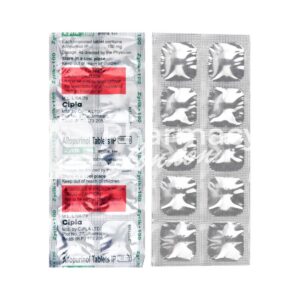
Allopurinol
from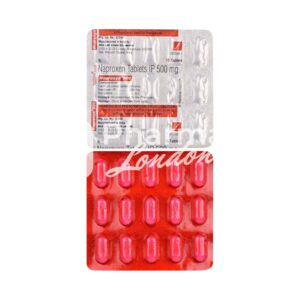
Naprosyn
from
Indocid
fromUnderstanding Arthritis: Types and Causes
Arthritis is a common condition affecting millions of people across the United Kingdom. It encompasses over 100 different types of joint disease, with the two most prevalent being osteoarthritis and rheumatoid arthritis. Osteoarthritis develops when the protective cartilage in joints wears down over time, typically affecting people as they age. Rheumatoid arthritis, conversely, is an autoimmune condition where the body’s immune system attacks joint linings, causing inflammation and pain.
Other types include gout, which results from uric acid crystal buildup, and lupus-related arthritis, which affects connective tissues. The causes vary depending on the type, but common factors include age, family history, previous injuries, and obesity. Understanding your specific type of arthritis is crucial for receiving appropriate treatment and managing symptoms effectively. Your GP can provide diagnosis through blood tests, imaging, and physical examination to determine which type you have and recommend suitable medications.
Osteoarthritis: Symptoms and Available Treatments
Osteoarthritis is the most common form of arthritis in the UK, particularly affecting people over 45 years old. Symptoms include joint pain, stiffness, particularly in the morning, reduced flexibility, and sometimes swelling around affected joints. Common areas affected are the knees, hips, hands, and spine. Pain typically worsens with activity and improves with rest, though this varies between individuals.
Treatment Options
Treatment options in the United Kingdom focus on pain management and improving mobility. Paracetamol remains a first-line treatment for mild to moderate pain, available over the counter. Non-steroidal anti-inflammatory drugs (NSAIDs) such as ibuprofen and naproxen are widely available at pharmacies and are effective for reducing inflammation and pain. For those who cannot tolerate NSAIDs, alternatives like topical creams containing ibuprofen or diclofenac provide localised relief without systemic side effects.
Prescription medications include stronger NSAIDs like meloxicam and celecoxib, which provide enhanced pain relief for more severe cases. Glucosamine and chondroitin supplements are popular choices, though evidence for their effectiveness varies. Corticosteroid injections into the affected joint offer temporary relief and can delay the need for surgery. Alongside medication, physiotherapy, weight management, and gentle exercise are essential components of osteoarthritis management.
Rheumatoid Arthritis: Disease-Modifying Treatments
Rheumatoid arthritis requires a different approach to treatment compared to osteoarthritis. This autoimmune condition causes symmetric joint pain and inflammation, typically affecting the hands, wrists, and feet. Early diagnosis and treatment are vital to prevent joint damage and disability. Symptoms include morning stiffness lasting more than an hour, joint swelling, fatigue, and sometimes fever.
Advanced Medication Options
Disease-modifying antirheumatic drugs (DMARDs) form the cornerstone of rheumatoid arthritis treatment in the UK. Methotrexate is the most commonly prescribed DMARD, often used as a first-line therapy. It works by suppressing the immune system and reducing inflammation. Other traditional DMARDs available include sulfasalazine and leflunomide, which are prescribed depending on individual patient factors and tolerance.
Biologic therapies represent a major advancement in rheumatoid arthritis management. These include TNF inhibitors such as infliximab, adalimumab, and etanercept, which target specific immune system proteins. Other biologics like tocilizumab and rituximab work through different mechanisms and are prescribed when standard DMARDs prove insufficient. JAK inhibitors such as baricitinib are newer additions to the treatment arsenal, offering oral alternatives to injectable biologics.
Alongside DMARDs, NSAIDs help manage pain and inflammation, whilst corticosteroids at low doses provide short-term relief during flares. Regular monitoring through blood tests ensures treatments work effectively and don’t cause adverse effects. Early and aggressive treatment with these medications can significantly improve outcomes and quality of life for rheumatoid arthritis sufferers.
Pain Management and Anti-Inflammatory Options
Effective pain management is central to arthritis care, allowing patients to maintain daily activities and quality of life. Over-the-counter paracetamol is suitable for mild pain relief and is available under various brand names at UK pharmacies. It is generally well-tolerated with minimal side effects when used as directed, making it a first choice for many arthritis sufferers.
Medication Choices
Non-steroidal anti-inflammatory drugs remain the most effective oral medications for arthritis pain. Ibuprofen is widely available without prescription and is effective for mild to moderate pain. Stronger NSAIDs like naproxen, indomethacin, and piroxicam require prescription and are reserved for more severe cases. Selective COX-2 inhibitors such as celecoxib offer anti-inflammatory benefits with potentially fewer gastrointestinal side effects than traditional NSAIDs, though they are more expensive.
Topical treatments provide excellent localised relief without systemic absorption concerns. Diclofenac gels and ibuprofen creams are available over the counter and work well for joint pain affecting hands and knees. Capsaicin cream, derived from chilli peppers, provides warming relief and can be particularly effective for hand arthritis.
For patients unable to tolerate oral NSAIDs or requiring additional pain relief, prescription options include tramadol and codeine-based combinations. These opioid medications are reserved for moderate to severe pain not controlled by other means. Muscle relaxants may be prescribed if arthritis-related muscle tension contributes to discomfort. Regular physical activity, heat therapy, and weight management complement pharmaceutical pain management strategies.
Lifestyle Changes and Complementary Approaches
Self-Management Strategies
Beyond medication, lifestyle modifications play a crucial role in arthritis management. Weight management significantly reduces stress on weight-bearing joints like knees and hips. Even modest weight loss can substantially improve pain levels and mobility. A balanced diet rich in fruits, vegetables, and omega-3 fatty acids supports joint health and reduces inflammation. Some patients benefit from eliminating certain foods they find trigger symptoms, though scientific evidence for specific diets remains limited.
Exercise tailored to individual abilities improves joint flexibility, strengthens supporting muscles, and enhances overall wellbeing. Low-impact activities such as swimming, water aerobics, and walking are particularly beneficial. Physiotherapy provides personalised exercise programmes and techniques to improve joint function. Heat therapy through warm baths or heat packs eases stiffness, whilst cold therapy reduces acute inflammation and swelling.
Complementary Therapies
Complementary approaches are popular amongst UK arthritis sufferers. Acupuncture has shown promise in some studies for pain relief. Massage therapy can improve flexibility and reduce muscle tension around affected joints. Herbal supplements like turmeric and ginger contain compounds with anti-inflammatory properties, though quality and efficacy vary between products. Always discuss supplements with your pharmacist or GP, as they may interact with prescribed medications.
Stress management through relaxation techniques, yoga, and meditation supports overall health and can reduce pain perception. Adequate sleep is essential for managing inflammation and maintaining immune function. Maintaining social connections and mental health support helps combat depression and anxiety often associated with chronic arthritis. Joining local arthritis support groups or online communities provides practical advice and emotional support from others with similar experiences.
When to Seek Professional Help and NHS Resources
Accessing Healthcare Support
Knowing when to consult healthcare professionals ensures timely treatment and prevents disease progression. Contact your GP if you experience persistent joint pain lasting more than six weeks, significant morning stiffness, or swelling in multiple joints. Early medical advice is particularly important for suspected rheumatoid arthritis, as early treatment dramatically improves long-term outcomes.
The NHS provides comprehensive arthritis care through your GP, who can arrange blood tests, X-rays, and ultrasound imaging. GP practices can refer you to rheumatology specialists, physiotherapists, and occupational therapists. Many NHS trusts offer arthritis clinics providing multidisciplinary care and support. The NHS also funds prescription medications at a reduced cost through the prescription charge system, making treatment more accessible.
Professional Support Available
Specialist rheumatologists manage complex cases, particularly autoimmune arthritis forms requiring biologic therapies. They monitor disease activity and medication effectiveness through regular appointments and blood tests. Occupational therapists provide practical advice on joint protection and adaptations to daily activities. Hand therapy specialists help those with hand arthritis maintain function and dexterity.
Pharmacists at your local pharmacy offer valuable support regarding medications, side effects, and interactions. They can advise on over-the-counter products suitable for your condition and answer questions about proper medication use. The following resources can provide additional information and support:
- The Arthritis Foundation offers educational materials, support groups, and helplines
- NHS England provides arthritis information and referral pathways
- Local GP surgeries offer prescription medications at reduced NHS rates
- Rheumatology clinics provide specialist assessment and treatment
- Community physiotherapy services offer personalised exercise programmes
Don’t hesitate to contact healthcare professionals with concerns, as arthritis management is most effective when you receive ongoing professional support alongside self-management strategies.