
COVID-19
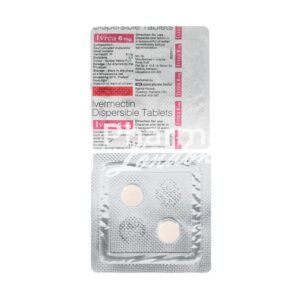
Ivermectin
from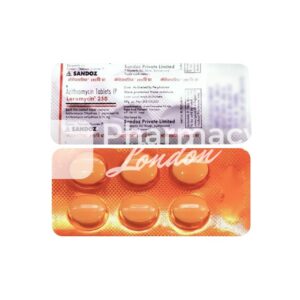
Zithromax
from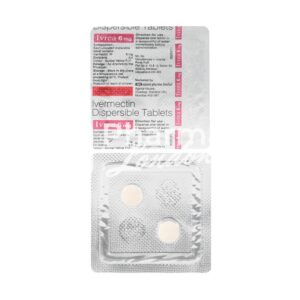
Stromectol
from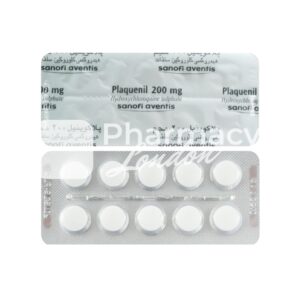
Plaquenil
from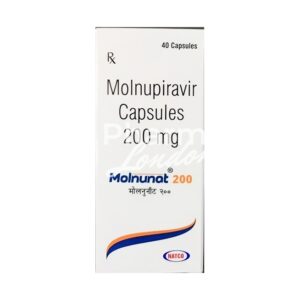
Lagevrio
from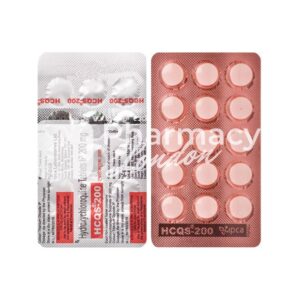
Hydroxychloroquine
fromUnderstanding COVID-19: Symptoms and Testing
COVID-19 is a respiratory infection caused by the SARS-CoV-2 virus that emerged in late 2019. Understanding the symptoms is crucial for early detection and treatment. Common symptoms include persistent cough, fever, loss of taste or smell, fatigue, and difficulty breathing. Some people experience mild symptoms whilst others develop severe complications.
Testing remains an important part of COVID-19 management. Rapid antigen tests are available over the counter at most UK pharmacies and provide results within 15-30 minutes. PCR tests offer greater accuracy and are typically used for confirmation. Lateral flow tests are convenient for home use and help identify infection quickly. Regular testing is particularly important for vulnerable individuals and those in close contact with confirmed cases.
The incubation period typically ranges from 2 to 14 days after exposure. During this time, individuals may unknowingly transmit the virus to others. Understanding these timeframes helps with isolation decisions and preventing further spread within communities.
Vaccination: Protection and Prevention
Vaccination remains the most effective method of preventing severe COVID-19 illness. The UK has approved several vaccines including Pfizer-BioNTech, Moderna, Oxford-AstraZeneca, and Novavax. Each vaccine offers strong protection against hospitalisation and severe disease.
The initial vaccination course typically consists of two doses administered several weeks apart. Many people have received booster doses to maintain immunity levels, particularly as new variants emerge. Eligibility for boosters depends on age, health status, and time since the previous dose. Your pharmacy team can advise on your personal vaccination schedule.
COVID-19 vaccines have been administered to millions of people worldwide with an excellent safety profile. Common side effects are mild and temporary, including arm soreness, headache, fatigue, and low-grade fever. Serious side effects are extremely rare. Pharmacies across the UK continue to provide convenient vaccination services, making it easier to stay protected.
Over-the-Counter Treatments and Symptom Relief
Several over-the-counter medications can help manage COVID-19 symptoms whilst your body fights the infection. Paracetamol is effective for reducing fever and pain, with a standard dose of 500-1000mg every 4-6 hours as needed. Ibuprofen, a non-steroidal anti-inflammatory drug, also helps relieve discomfort and reduce fever.
For persistent cough, simple linctus or honey-based products provide soothing relief. Many people find these particularly helpful during nighttime when cough symptoms worsen. Decongestants containing pseudoephedrine can ease nasal congestion, though these should be used cautiously and not for extended periods.
Throat lozenges with antiseptic properties help soothe sore throats common during COVID-19. Vitamin C supplements and zinc lozenges are popular choices, though evidence for their effectiveness varies. Staying hydrated is equally important—drinking plenty of water, warm tea, or soup helps ease congestion and prevents dehydration during illness.
Recommended Over-the-Counter Products
- Paracetamol for fever and pain relief
- Ibuprofen for inflammation and discomfort
- Cough linctus or honey-based remedies
- Decongestants for nasal congestion
- Antiseptic throat lozenges
- Vitamin C and zinc supplements
Prescription Medications for COVID-19
For those at higher risk of severe COVID-19, antiviral medications are available on prescription. Nirmatrelvir-ritonavir, marketed as Paxlovid, is an oral antiviral medication that reduces the risk of severe illness when taken early in infection. This medication is particularly beneficial for elderly patients and those with underlying health conditions.
Sotrovimab is a monoclonal antibody treatment administered by injection for vulnerable patients with early COVID-19 symptoms. This treatment helps neutralise the virus and prevents progression to severe disease. Remdesivir is another antiviral used in hospital settings for more severe cases.
Eligibility for these treatments depends on age, medical history, and current health status. Your GP or pharmacy can assess whether you qualify for antiviral treatment. These medications must be started within specific timeframes after symptom onset to be most effective, usually within the first 3-5 days of illness.
Long COVID Management and Support
Long COVID refers to symptoms persisting beyond the acute infection phase, affecting some people weeks or months after initial illness. Common symptoms include fatigue, breathlessness, brain fog, and persistent headaches. These symptoms can significantly impact daily life and work capacity.
Managing long COVID often involves a multi-faceted approach. Gradual physical activity, pacing strategies, and cognitive behavioural therapy have shown benefits. Your GP can refer you to specialist long COVID clinics available throughout the UK, where healthcare professionals provide tailored support and management plans.
Pharmacies stock various supportive products that may help manage long COVID symptoms, including energy supplements, magnesium for muscle tension, and vitamin D for overall wellness. Mental health support is equally important, as anxiety and depression commonly accompany long COVID. Speaking with healthcare professionals about your symptoms ensures appropriate management and support.
Pharmacy Services and Expert Advice
Your local pharmacy provides comprehensive COVID-19 services beyond simply dispensing medications. Pharmacists are highly trained professionals who can advise on symptom management, medication interactions, and vaccination options. They can also recommend appropriate over-the-counter products for your specific situation.
Many UK pharmacies offer flu and COVID-19 vaccination services, providing convenient access to protection. Pharmacists can check your medical history and eligibility for treatments, answering questions about side effects or concerns. They’re also available for consultations about long COVID symptoms and recovery strategies.
Pharmacy teams understand the latest COVID-19 guidance and can provide reliable information cutting through confusion or misinformation. Whether you need testing kits, medications, vaccines, or general advice, your neighbourhood pharmacy is an accessible first point of contact. Don’t hesitate to ask pharmacists about any COVID-19-related concerns—they’re here to support your health and wellbeing.