
Antidepressants

Fluoxetine
from
Risperidone
from
Zoloft
from
Quetiapine
from
Trazodone
from
Citalopram
from
Bupropion
from
Aripiprazole
from
Risnia
from
Pamelor
from
Elavil
from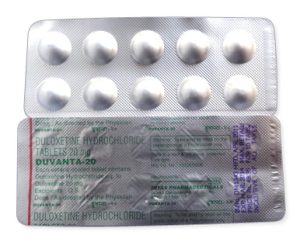
Cymbalta
from
Molipaxin
from
Zyprexa
from
Efexor Xl
from
Abilify
fromUnderstanding Antidepressants: What They Are and How They Work
Antidepressants are medications prescribed to help manage depression and various mental health conditions. These medicines work by altering the balance of chemicals in the brain called neurotransmitters, particularly serotonin, noradrenaline, and dopamine. When these chemical messengers become imbalanced, they can contribute to depression, anxiety, and other mood disorders.
The primary purpose of antidepressants is to improve mood, increase energy levels, and help restore normal emotional functioning. They are typically used alongside talking therapies such as cognitive behavioural therapy for optimal results. Most antidepressants take between 2 to 4 weeks to show noticeable effects, and it may take several weeks longer to experience full benefits.
Antidepressants are not addictive in the traditional sense, though some people may experience withdrawal symptoms if they stop taking them abruptly. Your doctor will advise on the appropriate dosage and duration of treatment based on your individual needs and medical history. It’s important to understand that antidepressants work differently for different people, and finding the right medication may require some trial and adjustment.
Types of Antidepressants Available in the UK
Selective Serotonin Reuptake Inhibitors (SSRIs)
SSRIs are among the most commonly prescribed antidepressants in the United Kingdom. They work by increasing the availability of serotonin in the brain. Popular SSRI medications available on the UK market include sertraline, citalopram, escitalopram, fluoxetine, and paroxetine. These medications are often considered first-line treatments due to their relatively good tolerability and safety profile. SSRIs are frequently prescribed for depression, generalised anxiety disorder, and panic disorder.
Serotonin and Noradrenaline Reuptake Inhibitors (SNRIs)
SNRIs work on two neurotransmitters simultaneously, affecting both serotonin and noradrenaline levels. Venlafaxine and duloxetine are the most commonly prescribed SNRIs in the UK. These medications are often recommended when SSRIs alone haven’t provided sufficient symptom relief. SNRIs are particularly effective for depression accompanied by chronic pain or fatigue.
Tricyclic Antidepressants (TCAs)
Although older than SSRIs and SNRIs, tricyclic antidepressants remain available in the UK and are still prescribed in certain situations. Amitriptyline, dosulepin, and imipramine are examples available on the market. TCAs are now often reserved for patients who haven’t responded to newer antidepressants or for specific conditions such as chronic pain and migraine prevention.
Monoamine Oxidase Inhibitors (MAOIs)
MAOIs are among the oldest class of antidepressants and are less commonly prescribed today due to dietary restrictions and potential interactions. However, they remain available in the UK for patients with treatment-resistant depression. Phenelzine and moclobemide are examples that healthcare providers may recommend when other options prove ineffective.
Other Antidepressants
Mirtazapine and bupropion represent other important antidepressant options available in the United Kingdom. Mirtazapine is particularly useful for patients experiencing insomnia or poor appetite alongside depression. Bupropion works differently from SSRIs and may be considered when sexual side effects are a concern with other medications.
Conditions Treated with Antidepressants
Depression and Major Depressive Disorder
Antidepressants are primarily prescribed for major depressive disorder, a serious mental health condition characterised by persistent sadness, loss of interest in activities, and reduced ability to function. These medications help restore normal mood and motivation, allowing individuals to resume daily activities and enjoy life more fully.
Anxiety Disorders
Beyond depression, antidepressants are highly effective for treating various anxiety conditions including generalised anxiety disorder, panic disorder, and social anxiety disorder. Many individuals in the UK are prescribed SSRIs and SNRIs specifically for anxiety management. These medications help reduce excessive worry, panic attacks, and avoidance behaviours.
Obsessive-Compulsive Disorder (OCD)
Certain antidepressants, particularly SSRIs, are effective treatments for OCD. Higher doses are often required compared to depression treatment. Common medications prescribed include sertraline, fluoxetine, and paroxetine.
Post-Traumatic Stress Disorder (PTSD)
Antidepressants help manage symptoms of PTSD such as intrusive thoughts, nightmares, and emotional numbness. Sertraline and paroxetine are specifically approved and commonly used in UK treatment protocols for this condition.
Other Conditions
Antidepressants are also prescribed for chronic pain conditions, migraine prevention, and certain sleeping disorders. Some tricyclic antidepressants are particularly valued for pain management, whilst others are used to improve sleep quality in various conditions.
Potential Side Effects and What to Expect
Most people tolerate antidepressants reasonably well, though side effects can occur, particularly during the initial weeks of treatment. Common side effects of SSRIs include nausea, headaches, and sexual dysfunction. Many of these effects diminish over time as the body adjusts to the medication.
Other possible side effects include dry mouth, constipation, diarrhoea, insomnia, and weight changes. Activation or increased anxiety may occur in the first week or two before improvements begin. Tricyclic antidepressants may cause sedation, dry mouth, and constipation more frequently than newer medications.
It’s crucial to report any concerning side effects to your GP or psychiatrist. Often, adjusting the dose or switching to a different antidepressant can resolve problematic side effects. Never stop taking antidepressants abruptly without medical guidance, as this can lead to discontinuation symptoms. Your healthcare provider will advise on gradually reducing medication when appropriate.
How to Start Antidepressants and What Your Doctor Considers
Before prescribing antidepressants, your doctor will conduct a thorough assessment including your medical history, current medications, and any allergies. They will discuss your symptoms, previous treatments, and personal preferences regarding medication options. Blood tests may be recommended to rule out underlying medical conditions contributing to your symptoms.
Your GP or psychiatrist will explain the chosen medication’s benefits, potential side effects, and expected timeline for improvement. They’ll discuss the importance of continuing treatment even after feeling better, as stopping prematurely can lead to relapse. Regular follow-up appointments are scheduled to monitor your progress and make adjustments if necessary.
Starting doses are typically lower than maintenance doses, with gradual increases over several weeks. This approach helps minimise side effects and allows your body to adjust. Some medications require blood monitoring or specific precautions, which your healthcare provider will explain thoroughly. During this initial phase, maintaining regular communication with your doctor ensures any concerns are addressed promptly. Your healthcare team will provide clear instructions on:
- When and how to take your medication
- What to do if you miss a dose
- Potential interactions with other medications or supplements
- Lifestyle factors that may enhance treatment effectiveness
- When to seek immediate medical advice
Finding the Right Antidepressant for You
Finding the most effective antidepressant is often a process of careful consideration and sometimes trial. What works well for one person may not suit another due to individual differences in brain chemistry and tolerance. Your medical history, including any previous medication responses, significantly influences your doctor’s recommendations.
If your first antidepressant doesn’t provide adequate relief after 6-8 weeks at therapeutic doses, your doctor may adjust the dose, add another medication, or switch to a different antidepressant entirely. Some people benefit from combination therapy using two different types of antidepressants working through different mechanisms.
Regular communication with your healthcare provider is essential throughout your treatment journey. Keep track of your symptoms, mood changes, and any side effects to share with your doctor. Many people find it helpful to maintain a mood diary, which provides valuable information for optimising treatment. With patience and professional guidance, most people find an antidepressant regimen that significantly improves their wellbeing and quality of life. Your GP remains your best resource for personalised advice regarding antidepressant selection and management in the UK.