
Hormones
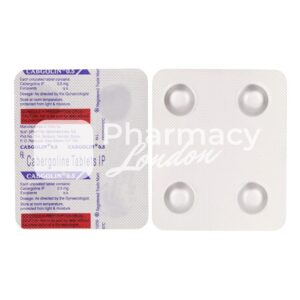
Cabergoline
from
Dostinex
from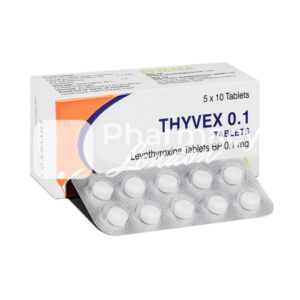
Euthyrox
from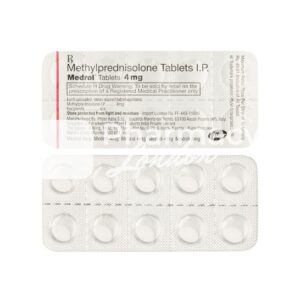
Medrol
fromUnderstanding Hormone Replacement Therapy (HRT)
Hormone Replacement Therapy is a medical treatment designed to replace hormones that the body no longer produces in sufficient quantities, particularly during menopause. HRT helps alleviate symptoms such as hot flushes, night sweats, mood changes, and vaginal dryness that affect many women during the menopausal transition.
The treatment works by supplementing oestrogen and progesterone levels, which naturally decline as women age. HRT can be administered through various methods including tablets, patches, gels, and sprays, allowing patients to choose the most convenient option for their lifestyle. Many women in the United Kingdom find HRT significantly improves their quality of life during this challenging period.
Common HRT medications available in the UK include Premarin, which contains conjugated oestrogens, and Climagest, which combines oestradiol with norethisterone. Elleste Duet and Nuvelle are also widely prescribed options that provide balanced hormone levels. Your GP can help determine which formulation suits your individual needs based on your medical history and symptoms.
Thyroid Hormone Treatments
The thyroid gland produces hormones that regulate metabolism, energy levels, and body temperature. When the thyroid doesn’t function properly, hormone replacement becomes essential for maintaining good health. Hypothyroidism, the most common thyroid condition, occurs when the gland produces insufficient thyroid hormone.
Levothyroxine is the primary thyroid hormone replacement medication prescribed throughout the United Kingdom. This synthetic form of thyroxine effectively restores hormone levels and alleviates symptoms including fatigue, weight gain, depression, and cold sensitivity. Most patients take levothyroxine as a daily tablet on an empty stomach for optimal absorption.
Available under various brand names such as Eltroxin and Levoxyl, levothyroxine requires regular blood tests to ensure proper dosing. Your GP will monitor your TSH levels and adjust your medication accordingly. Taking levothyroxine consistently is crucial for maintaining steady hormone levels and preventing symptoms from returning. Many patients notice improvements in energy and mood within weeks of starting treatment.
Female Sex Hormone Treatments
Beyond menopause-related treatments, female sex hormones are used for various conditions including contraception, irregular periods, and endometriosis. Oestrogen and progesterone are key hormones that regulate the menstrual cycle and reproductive health.
Hormonal contraceptives such as the combined oral contraceptive pill contain synthetic oestrogen and progesterone, preventing ovulation and providing reliable birth control. Popular options in the UK include:
- Microgynon – a widely prescribed combined pill
- Yasmin – offering different hormone ratios for individualised needs
- Rigevidon – another effective combined contraceptive option
- Cerazette – a progesterone-only pill for those who cannot tolerate oestrogen
For conditions like endometriosis and severe period pain, medications such as norethisterone help regulate the menstrual cycle and reduce symptoms. Dienogest is another modern option specifically approved for endometriosis management. These treatments give women control over their reproductive health and can significantly improve quality of life when used appropriately under medical supervision.
Testosterone and Male Hormone Treatments
Testosterone is the primary male sex hormone responsible for developing male characteristics, maintaining muscle mass, bone density, and sexual function. When testosterone levels drop below normal, a condition called hypogonadism can occur, leading to fatigue, reduced libido, and mood changes.
Testosterone replacement therapy is available in several formulations to suit different preferences. Testosterone gels and creams such as Tostran and Testogel provide daily hormone supplementation and are absorbed through the skin. Injectable testosterone, including Sustanon and testosterone undecanoate, offers longer-acting options requiring injections every few weeks or months. Testosterone patches and implants are also available alternatives for men seeking convenient hormone replacement.
Treatment aims to restore testosterone levels to the normal range, improving energy, sexual function, muscle strength, and overall wellbeing. Regular blood tests monitor testosterone levels to ensure optimal dosing. Men using testosterone replacement should be aware of potential side effects and discuss these thoroughly with their healthcare provider before starting treatment.
Adrenal and Corticosteroid Hormones
The adrenal glands produce cortisol and other hormones essential for managing stress, inflammation, and immune function. When the adrenal glands don’t produce sufficient cortisol, replacement therapy becomes necessary to prevent serious health complications.
Hydrocortisone is the standard replacement therapy for adrenal insufficiency, mimicking the cortisol naturally produced by healthy adrenal glands. Prednisolone is another corticosteroid commonly prescribed for reducing inflammation and suppressing immune responses in conditions like rheumatoid arthritis and autoimmune diseases. These medications come in tablet form, allowing flexible dosing adjusted to individual patient needs.
Dexamethasone is a potent corticosteroid used for severe inflammatory conditions and hormonal disorders. Corticosteroids require careful medical supervision due to potential side effects with long-term use, including bone thinning and increased infection risk. Your GP will prescribe the lowest effective dose for the shortest duration necessary. Patients on corticosteroids should carry steroid cards and inform healthcare providers about their medication during any medical procedures or emergencies.
Insulin and Metabolic Hormones
Insulin is a crucial hormone produced by the pancreas that regulates blood sugar levels and enables cells to absorb glucose for energy. Type 1 diabetes occurs when the pancreas cannot produce insulin, requiring lifelong insulin replacement therapy for survival and health maintenance.
Insulin therapy involves multiple daily injections or continuous infusion via insulin pumps. Various insulin formulations are available, offering patients flexibility in their treatment approach:
- Fast-acting insulins such as Novorapid and Humalog for rapid blood sugar control
- Intermediate-acting insulins including Humulin I for sustained coverage
- Long-acting options like Levemir and Tresiba for baseline insulin levels
Different combinations help patients achieve stable blood sugar throughout the day and night. Managing diabetes with insulin requires education, regular blood sugar monitoring, and close collaboration with diabetes healthcare teams. Proper insulin injection technique, storage, and timing with meals are essential for effective treatment. Modern insulin formulations have improved significantly, offering greater flexibility and better blood sugar control than older versions. Many patients using insulin develop excellent self-management skills, maintaining good health and preventing serious diabetic complications through consistent treatment adherence and regular medical monitoring.