
Women's Health
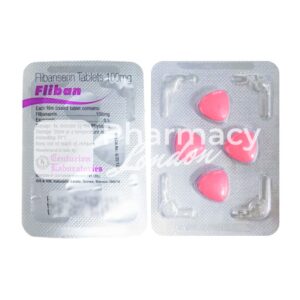
Addyi
from
Parlodel
from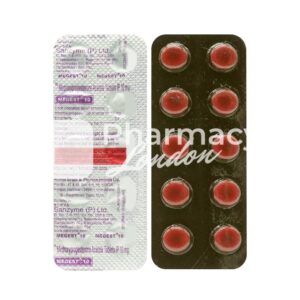
Provera
from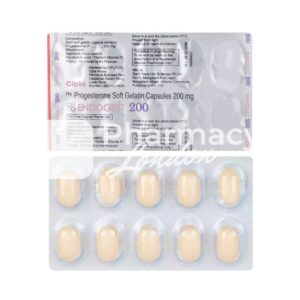
Cyclogest
from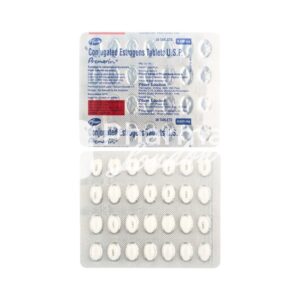
Premarin
from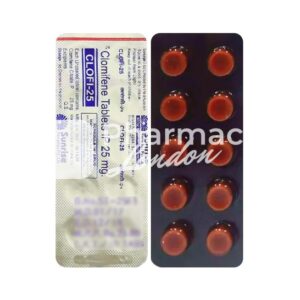
Clomid
from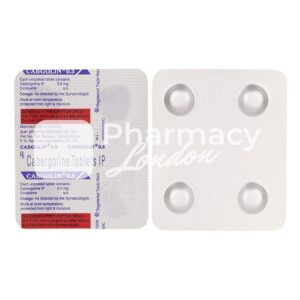
Dostinex
from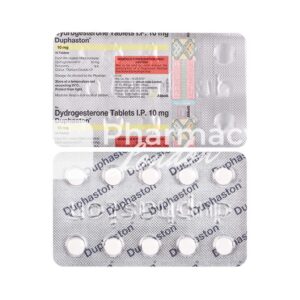
Duphaston
from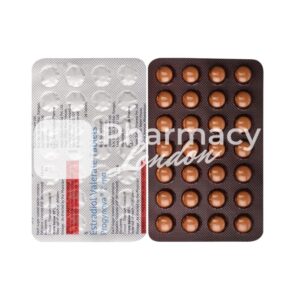
Estradiol
from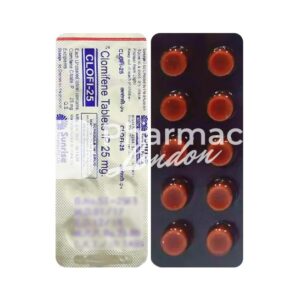
Clomiphene
from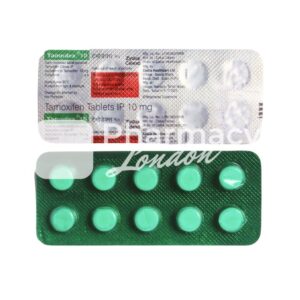
Nolvadex
from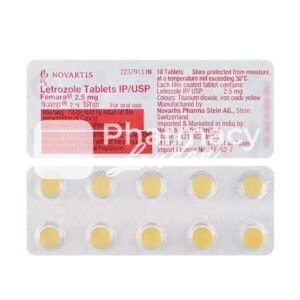
Femara
from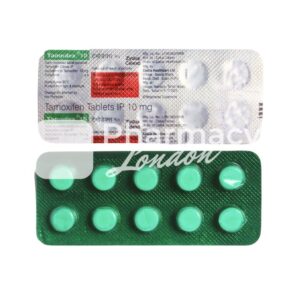
Tamoxifen
from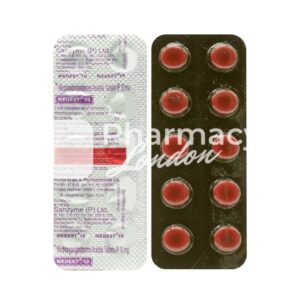
Medroxyprogesterone
fromContraception and Birth Control
Contraception is essential for family planning and reproductive health management. There are various methods available to suit different lifestyles and preferences, ensuring that every woman can find an option that works best for her individual needs.
Oral Contraceptives (The Pill)
The contraceptive pill remains one of the most popular birth control methods in the UK. Available in two main types – combined pills containing oestrogen and progestogen, and mini-pills containing only progestogen – they work by preventing ovulation. Common brands include Microgynon, Yasmin, and Cerelle. These pills offer around 91-99% effectiveness when taken correctly and provide additional benefits such as lighter periods and clearer skin for some users. Many women appreciate the convenience and reversibility of oral contraceptives as part of their reproductive health strategy.
Long-Acting Reversible Contraceptives (LARCs)
LARCs are increasingly recommended by healthcare professionals due to their high effectiveness and convenience. The contraceptive coil (IUD) is fitted inside the uterus and can last 5-10 years depending on the type. Copper coils like Copper T and Mirena release hormones to prevent pregnancy. The implant is a small rod inserted under the arm that releases progestogen and lasts three years. These methods are over 99% effective and require minimal maintenance, making them ideal for women seeking hassle-free contraception.
Barrier Methods
Condoms and diaphragms provide protection against both pregnancy and sexually transmitted infections. These methods are available without prescription and are particularly suitable for those seeking non-hormonal options. Barrier methods offer flexibility and can be used alongside other contraceptive methods for enhanced protection.
Period and Menstrual Health
Managing menstrual health is crucial for overall wellbeing, and various treatments help address common period-related issues that affect many women throughout their reproductive years.
Heavy Menstrual Bleeding
Heavy periods affect many women and can impact daily life significantly. Treatments available include tranexamic acid tablets like Cyklokapron, which reduce bleeding by up to 40%. Mefenamic acid, an anti-inflammatory medication, helps decrease blood flow and period pain simultaneously. Norethisterone can be taken during menstruation to reduce bleeding. For some women, hormonal contraceptives provide effective relief by regulating periods and reducing flow. A healthcare professional can help identify the most suitable treatment based on individual circumstances.
Period Pain and Dysmenorrhoea
Painful periods are common but manageable with appropriate medication and self-care strategies. Over-the-counter options include ibuprofen and naproxen, which are particularly effective when taken at the first sign of pain. Paracetamol offers an alternative for those who cannot take NSAIDs. Prescription options like mefenamic acid provide stronger pain relief when needed. Heat therapy, exercise, and relaxation techniques complement medical treatments effectively, offering a holistic approach to managing discomfort.
Irregular Periods
Irregular menstruation can result from various causes including hormonal imbalances, stress, or underlying conditions. Hormonal contraceptives often help regulate cycles and provide predictability. Tracking apps and maintaining a diary help identify patterns and inform healthcare discussions. If irregularity persists, medical evaluation is recommended to rule out underlying conditions and ensure appropriate management.
Menopausal Support
The menopause is a natural life stage that brings significant hormonal changes. Various treatments and supplements help manage associated symptoms, allowing women to maintain their quality of life during this important transition.
Hormone Replacement Therapy (HRT)
HRT remains the most effective treatment for moderate to severe menopausal symptoms. Available as tablets, patches, gels, and sprays, HRT can contain oestrogen alone or combined with progestogen. Popular brands include Elleste Duet and Evorel. HRT significantly reduces hot flushes, night sweats, and mood changes. Treatment is personalised based on individual needs and medical history, with regular reviews ensuring optimal management and symptom control.
Non-Hormonal Alternatives
Women preferring non-hormonal options can try selective serotonin reuptake inhibitors (SSRIs) like sertraline or paroxetine, which reduce hot flushes by around 60%. Venlafaxine, a serotonin-noradrenaline reuptake inhibitor, also proves effective for managing menopausal symptoms. Clonidine, originally a blood pressure medication, helps some women manage symptoms when other options are unsuitable.
Lifestyle and Natural Remedies
Black cohosh, red clover, and sage supplements are popular natural approaches, though evidence varies regarding their effectiveness. Regular exercise, particularly strength training, improves bone health and mood during menopause. Dietary adjustments, including calcium and vitamin D intake, support bone density during this crucial life stage. Adequate sleep, stress management, and maintaining social connections enhance overall wellbeing and ease the menopausal transition.
Vaginal and Urinary Health
Maintaining vaginal and urinary health is essential for comfort and quality of life, particularly during certain life stages when hormonal changes can affect these sensitive areas.
Vaginal Dryness and Atrophy
Oestrogen decline during perimenopause and menopause causes vaginal dryness affecting many women. Non-hormonal treatments include vaginal moisturisers like Hyalo Gyn and Sylk, used regularly for ongoing relief. Vaginal lubricants provide immediate comfort during intimacy. Localised hormone treatments such as Vagifem (oestrogen tablets) and Estring (oestrogen ring) deliver hormones directly to vaginal tissue with minimal systemic absorption, providing effective long-term relief without the side effects of systemic HRT.
Urinary Tract Infections (UTIs)
UTIs are common in women due to anatomical factors. Symptoms include burning during urination, urgency, and discomfort. Over-the-counter remedies like sachets containing potassium citrate help alkalinise urine, providing rapid symptom relief. Antibiotics such as nitrofurantoin or trimethoprim treat bacterial infections effectively. Preventative measures include:
- Staying well hydrated throughout the day
- Emptying the bladder regularly and completely
- Practising good hygiene practices
- Wearing breathable underwear
Urinary Incontinence
Stress incontinence, common after childbirth or with age, can be managed through pelvic floor exercises. Medication options including mirabegron and oxybutynin help overactive bladder symptoms. For more severe cases, specialist referral may be appropriate to explore additional treatment options.
Sexual Health and Wellbeing
Sexual health encompasses physical, emotional, and social aspects of sexuality, affecting overall quality of life and personal relationships.
Libido and Sexual Function
Low sexual desire can result from hormonal changes, relationship issues, stress, or medication side effects. Addressing underlying causes is essential for improving sexual function. Hormone levels may require assessment, particularly during perimenopause when oestrogen and progesterone fluctuate. For some women, HRT improves sexual function by addressing related symptoms like vaginal dryness and mood changes. Open communication with partners and healthcare providers helps identify appropriate solutions tailored to individual circumstances.
Vaginal Health Products
Specialised intimate washes and probiotics support healthy vaginal flora and maintain natural balance. Products like Canescare and RepHresh help maintain natural pH balance essential for health. Avoiding douches and harsh soaps protects beneficial bacteria that are essential for maintaining optimal vaginal health and preventing infections.
Vitamins, Minerals, and Nutritional Support
Proper nutrition supports women’s health across all life stages, with specific needs varying throughout the menstrual cycle, pregnancy, and menopause.
Iron Supplements
Iron deficiency anaemia is common in women of reproductive age, particularly those with heavy periods. Iron supplements including ferrous sulphate and ferrous fumarate help restore levels and boost energy. Taking iron with vitamin C enhances absorption, whilst dairy products reduce it. Regular blood tests monitor iron levels during supplementation to ensure effectiveness and adjust dosage as needed.
Calcium and Vitamin D
Bone health becomes increasingly important, especially approaching menopause when oestrogen decline accelerates bone loss. Calcium supplements, often combined with vitamin D, maintain bone density throughout life. Recommended daily intake increases with age and menopausal status. Food sources including dairy, leafy greens, and fortified products support calcium intake naturally and provide additional nutritional benefits.
B Vitamins and Folic Acid
B vitamins support energy production and mood regulation throughout different life stages. Folic acid is particularly important for women of childbearing age, reducing neural tube defects in pregnancy. Many women’s multivitamins contain appropriate levels. Additional supplementation may be recommended during pregnancy or when planning conception to ensure adequate nutrient intake.
Omega-3 and General Multivitamins
Omega-3 fatty acids support cardiovascular and mental health, contributing to overall wellbeing. Women’s specific multivitamins contain balanced micronutrients tailored to female health needs, providing convenient daily nutritional support. These formulations are designed to address the unique nutritional requirements women face throughout different phases of life.